 EN
EN
Asphalt Shingle Lifespan: What Really Determines How Long a Roof Lasts?
2026/09/17
How long do asphalt shingles really last? Learn why climate, ventilation, installation and roof design can make a 30-year reference very different in real life.
2026/08/21
Fiber cement cladding is a popular choice for many buildings because it is strong and long-lasting. SANER makes high-quality cement boards that can be used for cladding. But, it is important to handle these boards carefully during installation. This article will share important notes on how to properly handle fiber cement cladding. By following these tips, you can make sure your installation goes smoothly and the cladding looks great for years to come.
When using fiber cement cladding, some common problems can arise. One issue is that the boards can crack if they are not handled properly. This can happen if they are dropped or if too much pressure is applied when cutting them. To prevent this, always carry the boards upright and avoid bending them. Also, use the right tools when cutting the boards. A circular saw with a dust-collection system can help keep the area clean and reduce dust. If the boards get too dusty, it can be hard to see the lines for cutting, which can lead to mistakes.
Another problem is not sealing the edges of the boards correctly. If the edges are not sealed, water can get in, and this can cause damage over time. Make sure to use the right sealant and apply it evenly along the edges. It’s also important to follow the manufacturer’s instructions when installing the boards. Each product may have specific guidelines, and not following them can lead to problems down the line.
Finally, some people forget to wear safety gear when working with fiber cement. It’s crucial to wear a mask and goggles. The dust from cutting the boards can be harmful if inhaled, and flying particles can hurt your eyes. Always prioritize safety by using the right equipment. By being careful and following these tips, you can avoid common issues and ensure a successful installation.
For a successful installation of fiber cement cladding, there are several best practices and tips to keep in mind. First, always check the weather before starting your project. Fiber cement boards should not be installed in wet or extremely humid conditions. Moisture can affect the adhesive and cause the boards to warp or not stick properly. Instead, pick a dry day for your installation.
Second, make sure the surface where you will attach the boards is clean and dry. Dust, dirt, or moisture can prevent the boards from sticking well. You can use a clean cloth to wipe down the surface before starting. It’s also important to lay out the boards before attaching them. This will help you see how they fit together and make any necessary adjustments.
Another tip is to space the boards correctly. Leaving gaps between the boards allows for expansion and contraction due to temperature changes. This is really important in areas with extreme weather. Use spacers to ensure the gaps are even and follow the recommended spacing guidelines from SANER.
Lastly, always take your time. Rushing can lead to mistakes, and mistakes can be costly. Check your work as you go along to ensure everything is aligned correctly. If you find a mistake, fix it right away before moving on. By following these best practices and tips, your fiber cement cladding installation with SANER boards can be a success and look great for many years.
When you're looking for fiber cement cladding products, it's essential to find reliable suppliers. At SANER, we understand that good materials make a big difference in building projects. You can start your search by checking local home improvement stores. Many of these stores carry fiber cement boards and can help you understand the different types available. Don't hesitate to ask store staff questions; they are there to help! Another excellent place to find suppliers is online. Websites that specialize in building materials often have a wide range of products. You can read reviews from other customers to learn about their experiences. This information can help you pick the best supplier. Also, consider visiting construction trade shows. These events showcase various building products, including fiber cement cladding. You can meet suppliers, see their products up close, and even ask for samples. If you have friends or family in the construction business, ask them for recommendations. They might know trustworthy suppliers who can provide quality materials. It's essential to choose a supplier that offers good customer service. When you call or visit, see if they answer your questions patiently and clearly. Good communication is a sign of a reliable company. Lastly, check if the supplier provides warranties on their products. A warranty shows that the company stands behind what they sell, giving you extra peace of mind. By taking these steps, you can find trustworthy suppliers for your fiber cement cladding needs, ensuring your project goes smoothly.
Installing fiber cement boards can sometimes come with challenges. At SANER, we want to help you troubleshoot common problems that might come up during installation. One of the most common issues is cracking. If you notice cracks in the boards after installation, it could be due to improper handling. Always carry the boards upright and avoid dropping them. If you find cracks, check if they are deep or just on the surface. For small surface cracks, you can use paint or sealant to cover them up. Another problem you might face is warping. This usually happens if the boards are exposed to moisture before installation. To prevent warping, make sure to store the boards in a dry place and cover them with a tarp if it rains. Also, check that the boards are installed with proper spacing. If they are too close together, they might expand and warp over time. If you see gaps between the boards after installation, this can be fixed by adding caulk. Be sure to choose the right caulk for fiber cement boards. Lastly, if you notice that the boards are not fitting together correctly, double-check your measurements. It's essential to measure twice before cutting. If you cut too much, you may need to replace the board. By following these tips and being careful during installation, you can overcome common problems and ensure your fiber cement cladding looks great and lasts for years.
The climate where you live can greatly affect how long your fiber exterior wall cladding will last. At SANER, we know that understanding these factors can help you take care of your cladding better. One important factor is moisture. In areas with heavy rain or humidity, fiber cement boards can absorb water. This can lead to mold or mildew if not properly maintained. To protect against this, make sure to install the boards with proper drainage. Also, keep the area around the cladding well-ventilated to reduce moisture buildup. Another factor is temperature. In places where it gets very hot, fiber cement can expand and contract. This can cause cracks or gaps if the boards are not installed correctly. It’s essential to leave enough space for expansion during installation. Wind is another aspect to consider. Strong winds can cause debris to hit the boards, leading to damage. If you live in a windy area, choose thicker boards for better protection. Lastly, UV rays from the sun can fade the color of your cladding over time. To keep your fiber cement looking fresh, you might want to repaint it every few years. By understanding these climate factors, you can take better care of your fiber cement cladding and ensure it lasts longer, keeping your home safe and beautiful.
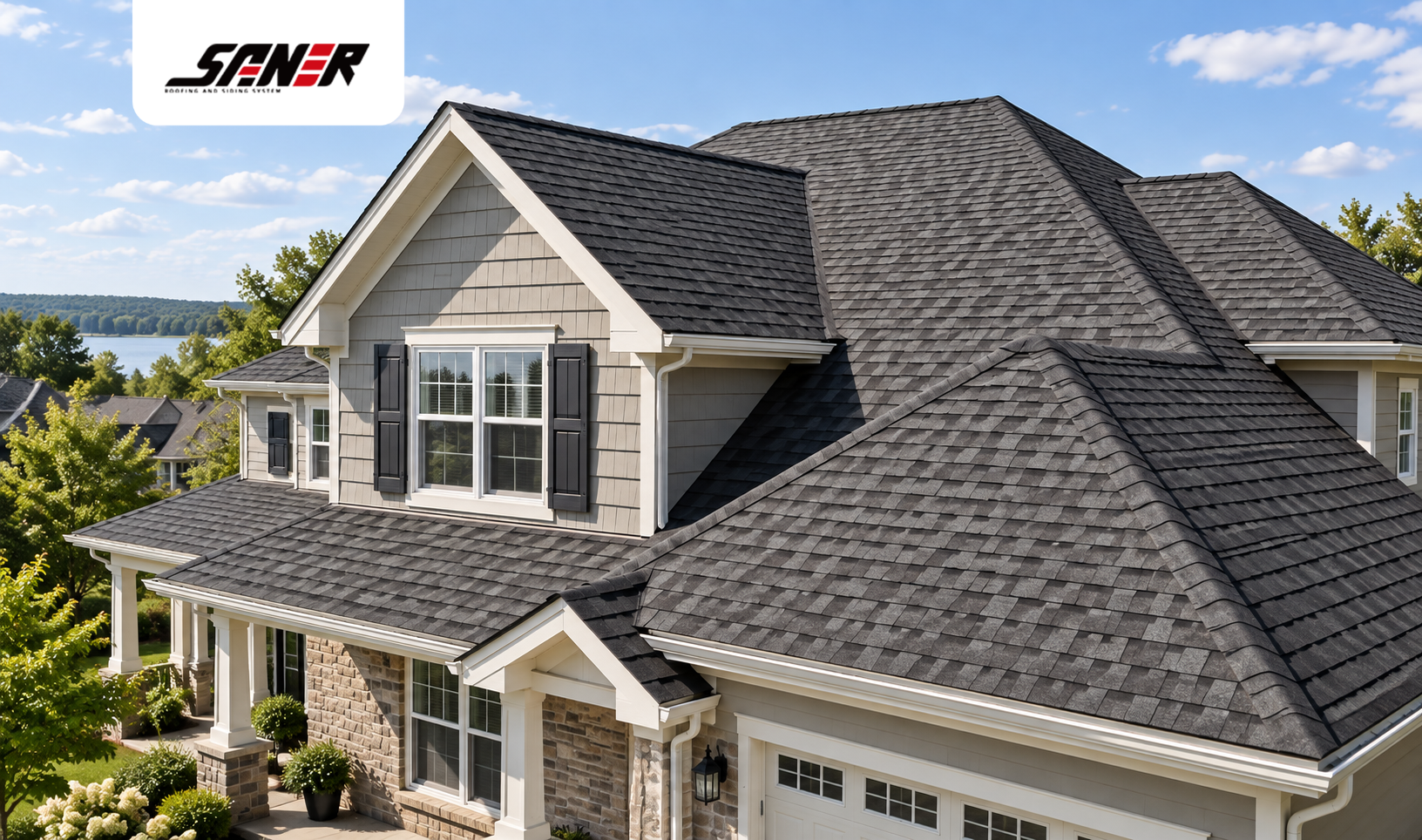
2026/09/17
How long do asphalt shingles really last? Learn why climate, ventilation, installation and roof design can make a 30-year reference very different in real life.
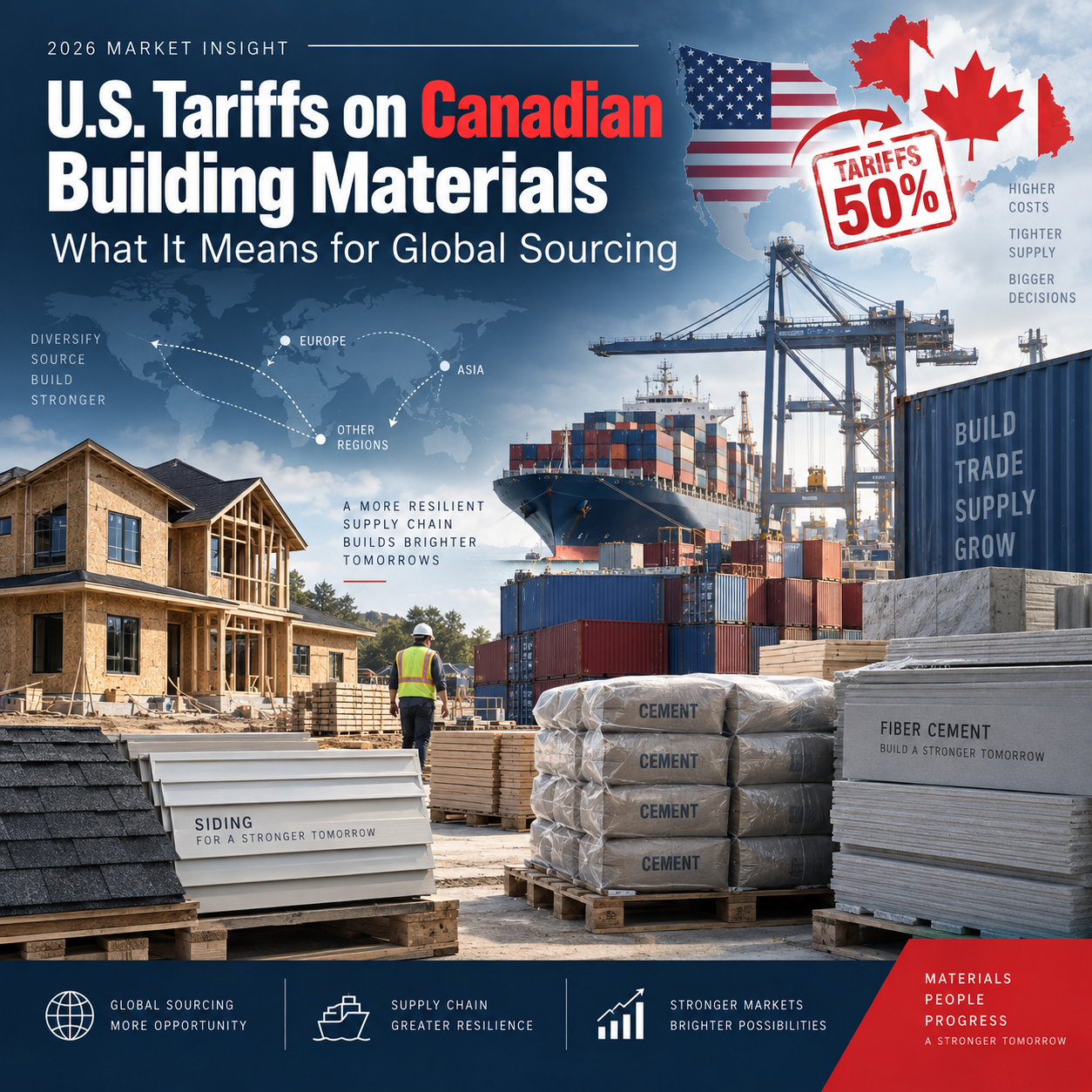
2026/09/09
New U.S. tariffs on selected Canadian building materials are changing sourcing decisions. See what this means for distributors, importers and global suppliers.
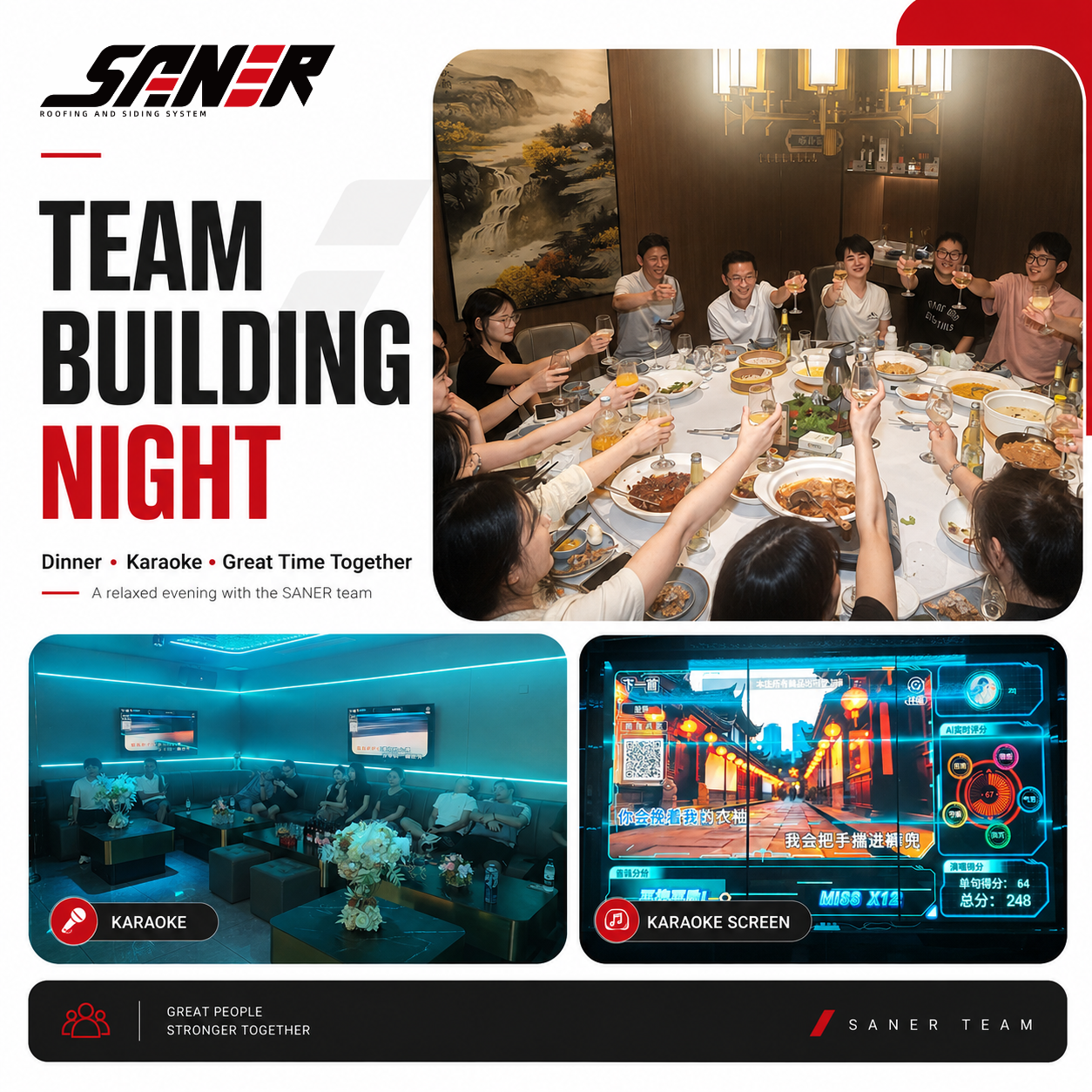
2026/09/03
The SANER team recently enjoyed a team-building night with dinner and karaoke, bringing colleagues together outside the workplace for a relaxed evening.
2026/09/01
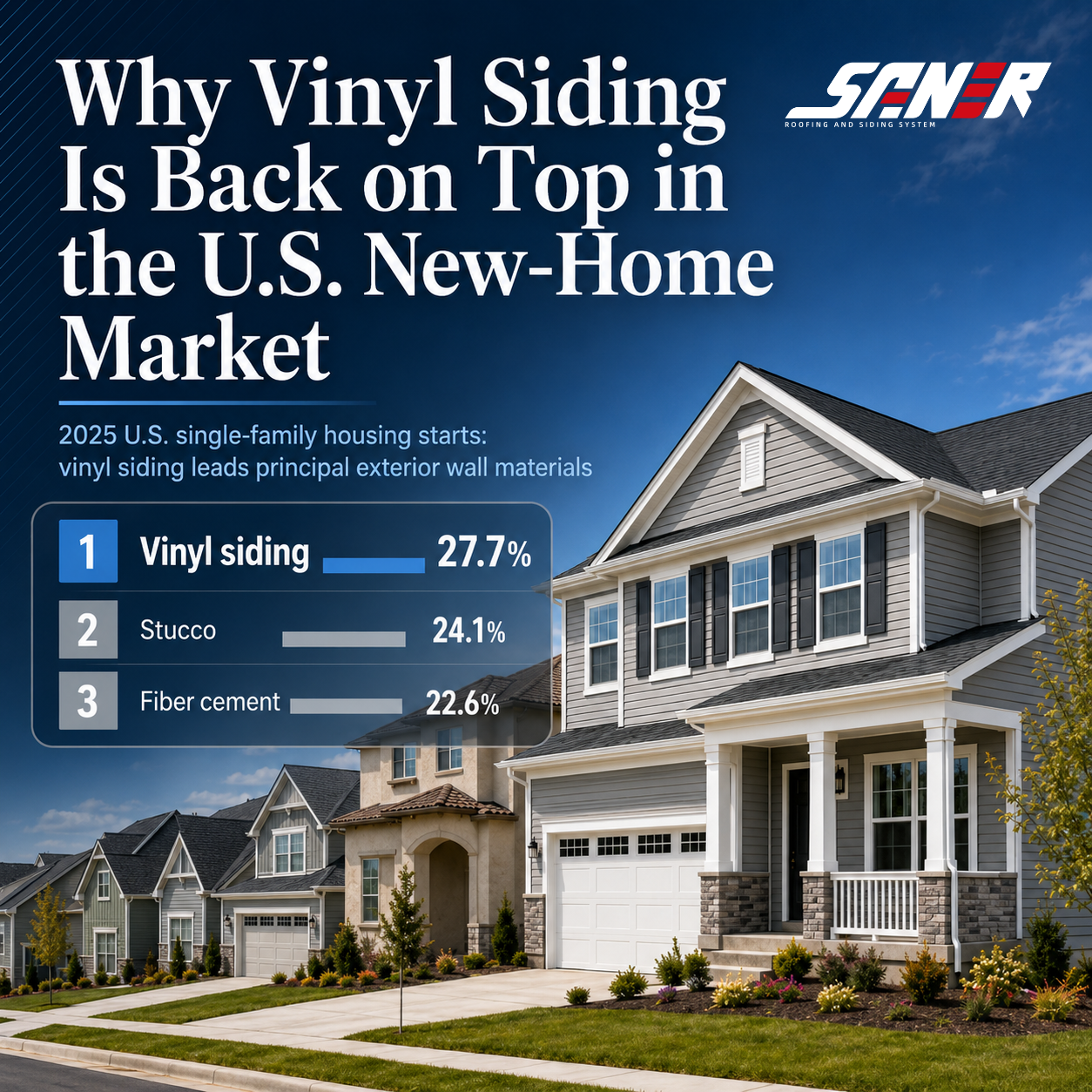
Vinyl siding accounted for 27.7% of U.S. single-family homes started in 2025. Discover why cost, installation efficiency and regional demand are driving its return in 2026.
2026/08/26
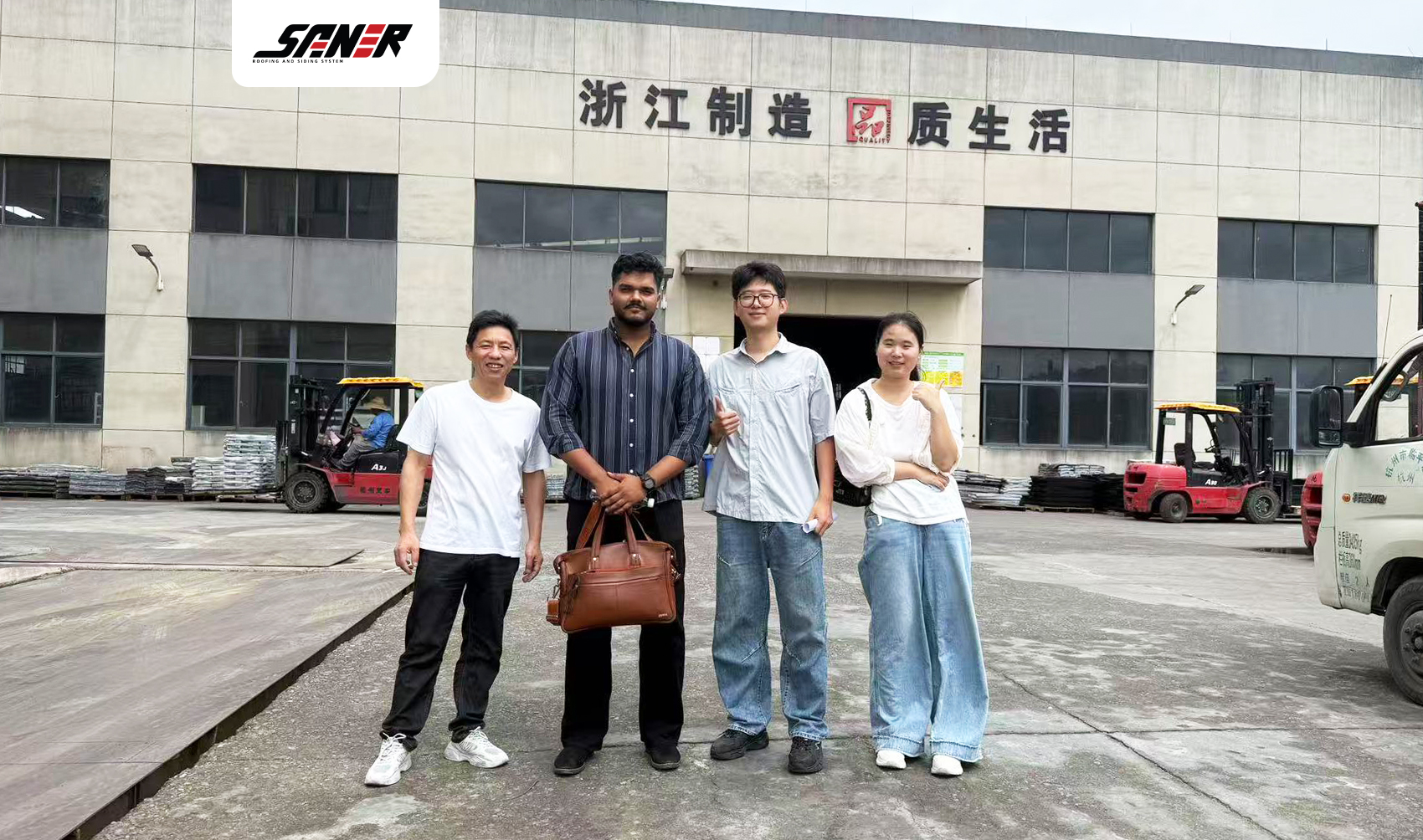
Indian customer visits Saner factory in China to explore roofing materials, production capabilities, quality control and future cooperation.
2026/09/01
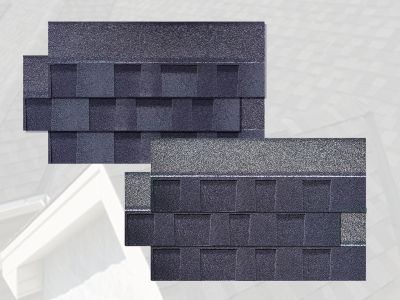
Discover key insights on roofing shingles from SANER, including benefits, pricing, and performance tips.
