 EN

Stone-Coated Metal Roofing for Coastal Climates
2026/10/24
How does stone-coated metal roofing perform in salty, humid coastal air? Corrosion layers, condensation risks, and the checks that decide roof life.
A new asphalt shingle roof can still age early when the attic below it cannot breathe. Ventilation is not an accessory. It is cool air coming in low at the eaves and hot, moist air leaving high at the ridge, kept in balance, so the deck stays dry and the shingle temperature stays close to the air outside. Get that balance right and the roof ages the way the product was designed to age. Get it wrong and heat, moisture, and ice do their damage from underneath, where nobody sees it until the shingles already show it.
In summer, a sealed attic turns into a hot box. The air trapped under the deck heats the shingles from below as well as from above, and that extra heat works on the asphalt year after year, drying it out and shortening the roof's working life. In winter, the problem flips. Warm, moist air from the living space rises into a cold attic and condenses on the underside of the deck, wetting the wood, feeding mould, and softening the structure the shingles depend on. The same uneven roof temperature feeds ice dams: snow melts over the warm middle of the roof, runs down, and refreezes at the cold eaves, where the water backs up under the shingles. A roof that is ventilated well does not solve every winter problem on its own, but it keeps the deck drier and the roof surface temperature more even, and that takes away the conditions both condensation and ice dams need.
A working system has two halves. Intake sits low, usually as continuous perforated soffit vents along the eaves, and exhaust sits high, usually as a continuous ridge vent hidden under the cap shingles. Warm air rises and leaves at the ridge, and that movement pulls fresh air in at the soffits, a steady flow driven by the stack effect and helped along by wind across the ridge. The two halves need to be roughly matched, about half intake and half exhaust, because air cannot leave an attic that air cannot enter. A ridge vent with almost no soffit intake does not ventilate the attic. It pulls air from wherever it can find it, often from the ridge itself or from gaps in the ceiling, and the far ends of the attic stay still and damp. The test before ordering is simple: for every square inch of exhaust, there should be a matching square inch of intake down low.
Ventilation is sized in net free area, the actual open area air can pass through once the screen and louvres of a vent are taken into account, which is always smaller than the size of the vent itself. The widely used benchmark in United States residential practice comes from the International Residential Code, Section R806: one square foot of net free area for every 150 square feet of attic floor, the 1/150 rule. That requirement can fall to 1/300 where the system is balanced, with roughly 40 to 50 percent of the venting placed high near the ridge and the rest down low at the eaves, and, in the coldest climate zones, a vapour retarder fitted on the warm side of the ceiling. Local codes govern the actual job and do not all adopt the same edition, so the ratio is a benchmark for sizing, not a substitute for the building department's answer. A quick sense of scale helps when checking a quote: a 1,500-square-foot attic at the 1/150 rule needs 10 square feet of net free area in total, about 720 square inches of intake at the soffits and the same again as exhaust at the ridge. If a bid lists vent counts without net free area figures, the arithmetic behind it has not been shown.
The most common failure is an exhaust-only roof: ridge vent or box vents fitted to a house whose soffits are solid boards, with no intake at all. The second is mixing exhaust types on the same roof plane. A ridge vent plus box vents, or a powered fan added to a ridge-vented roof, short-circuits the flow, with one exhaust pulling air in through the other instead of drawing it up from the soffits. The third is insulation blocking the intake. Blown-in insulation drifts into the eave and seals the soffit vents from the inside, which is why baffles belong in the order: they hold the air channel open between the insulation and the deck so the intake can actually breathe. Powered attic fans deserve a separate caution. A fan that runs hard can pull conditioned air out of the living space through ceiling gaps, raising energy bills while doing little for the roof. None of these mistakes shows up on the day the shingles go on. They show up years later as curled shingles, damp decking, or a warranty conversation that starts with a question about ventilation.
Ventilation should be priced as part of the roofing system, not discovered after the shingles arrive. A complete order for a ventilated asphalt roof pairs the shingles with ridge vent and soffit vents sized to the attic, baffles at the eaves, and the underlayment and leak barrier the roof details call for. The full set of parts that belong together is laid out in What Goes Into a Complete Asphalt Roofing System?, and Asphalt Shingle Lifespan: What Really Determines How Long a Roof Lasts explains why climate, ventilation, and installation quality matter as much as the product itself. Before confirming, ask the supplier for the installation instructions for the exact product line being ordered and check what they say about ventilation, since many manufacturers tie warranty coverage to adequate airflow. The buying overview in Everything You Need to Know About Asphalt Shingles: Benefits, Types, Applications, and Buying Guide is a useful cross-check for product types and applications, and the comparison in 3-Tab vs. Laminated Asphalt Shingles: How to Choose for a Roofing Project helps settle which profile suits the roof layout before the ventilation is sized.
SANER has supplied asphalt shingles since 2002 and exports to more than 55 countries, with 3-Tab, laminated, and other profiles available for OEM and ODM projects. For product details or a project inquiry, contact SANER at [email protected] or +86-15988487144, or browse the asphalt shingle range and the contact page.
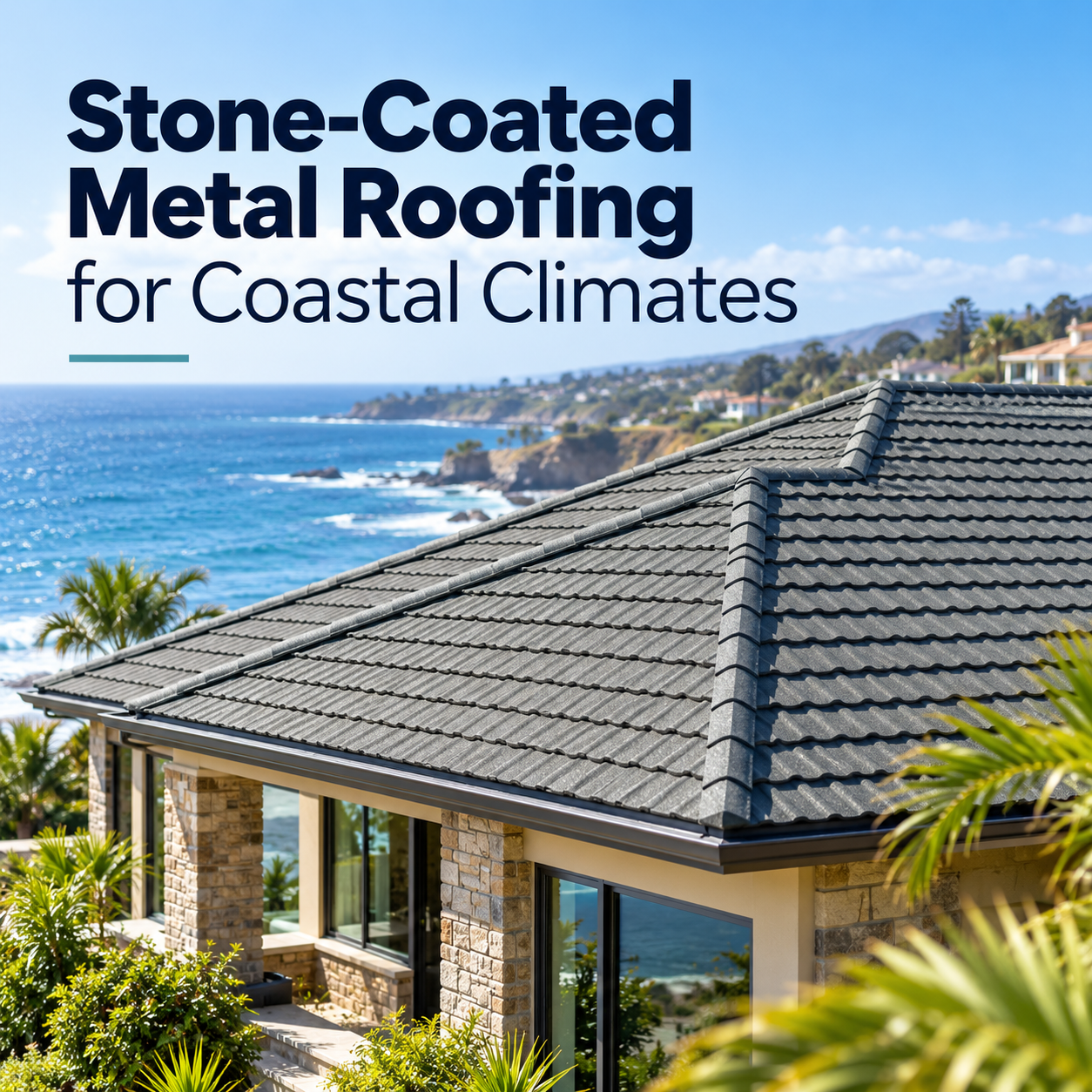
2026/10/24
How does stone-coated metal roofing perform in salty, humid coastal air? Corrosion layers, condensation risks, and the checks that decide roof life.
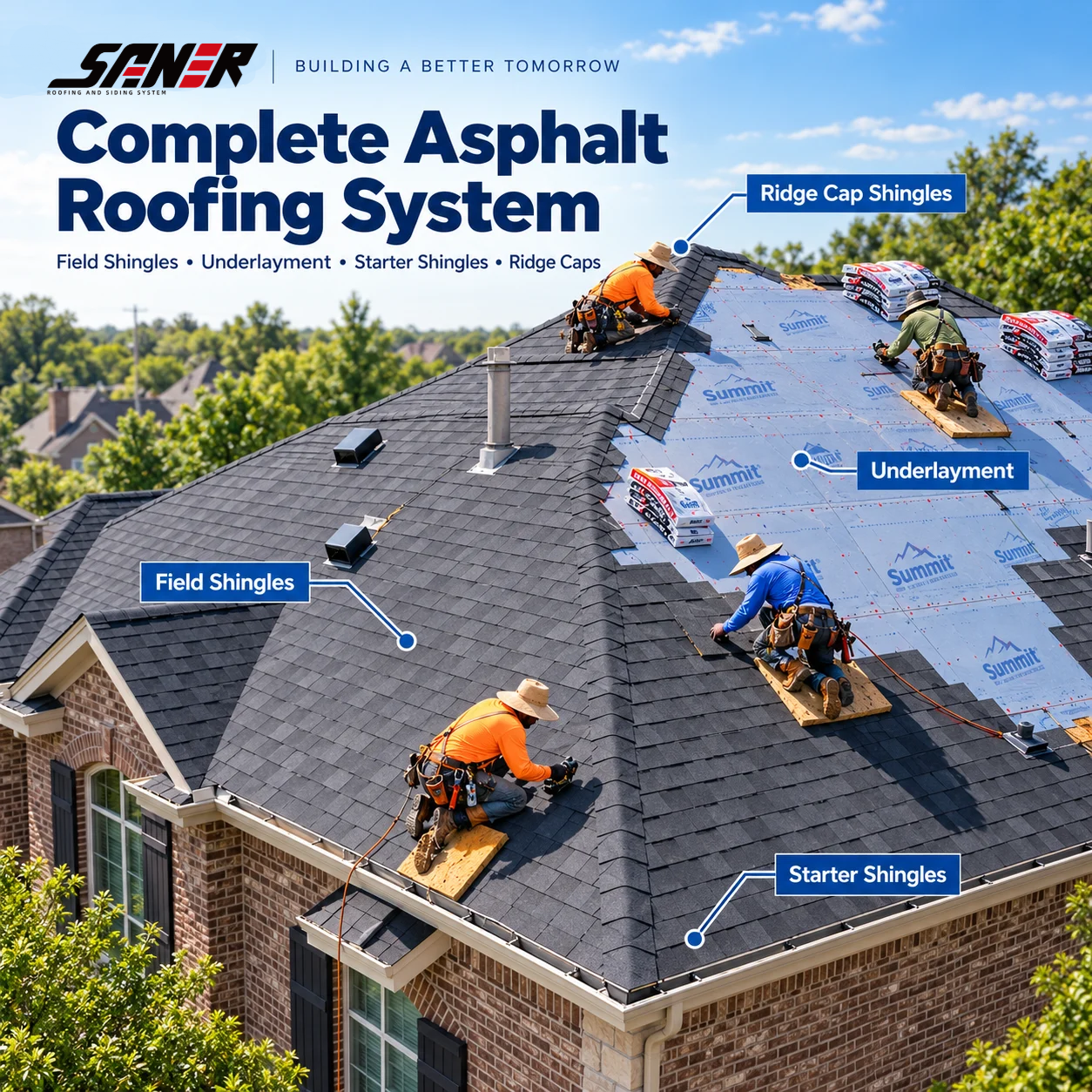
2026/10/19
Learn how shingles, underlayment, starter shingles and ridge caps fit into an asphalt roofing system, plus what to include in a complete purchase inquiry.
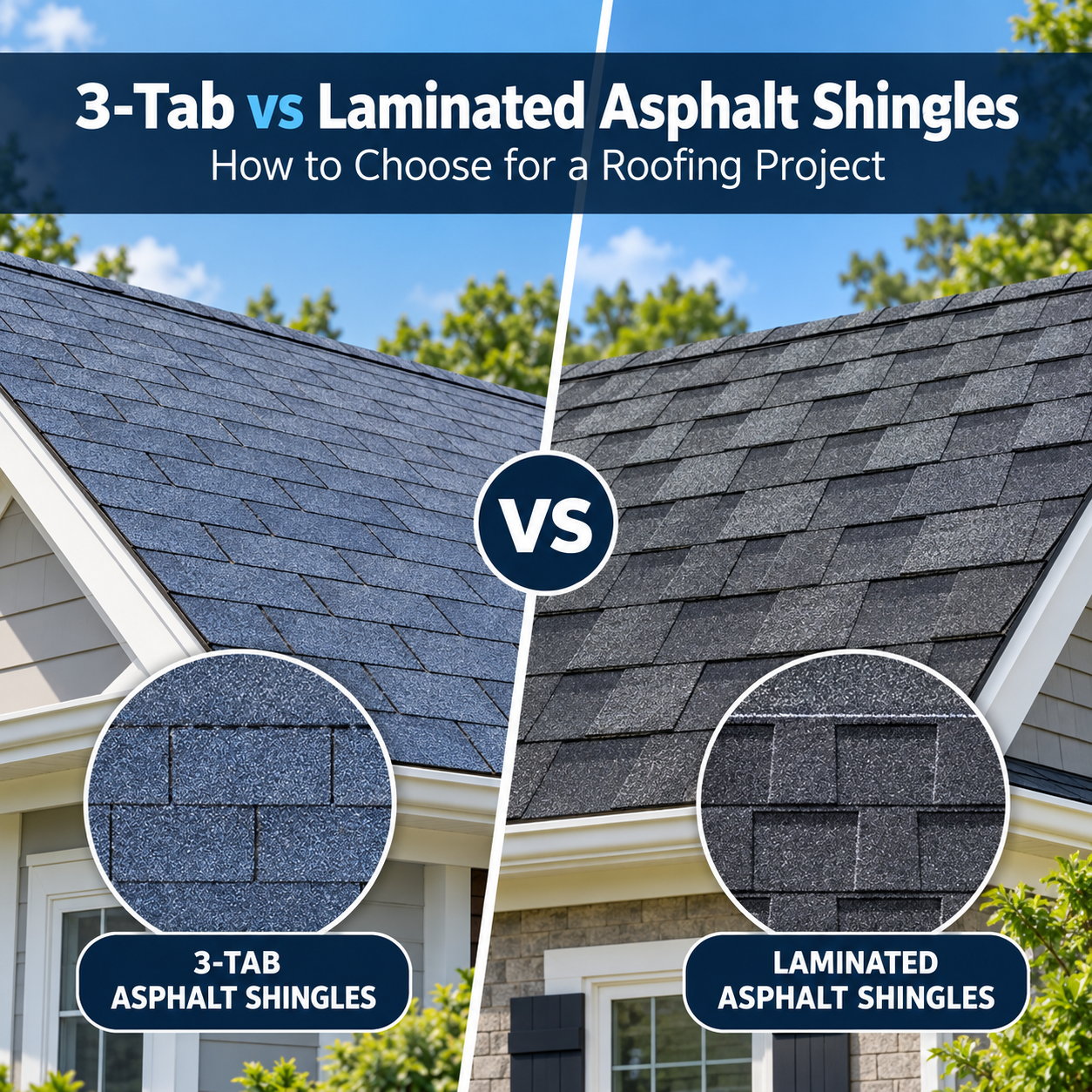
2026/10/09
Compare 3-tab and laminated asphalt shingles by appearance, roof layout, accessories and purchasing requirements. Learn what to ask before requesting a quote.

2026/09/23
SANER supplied 3-Tab Asphalt Shingles and Self-Adhered Waterproof Membrane for a Maldives resort villa project, providing reliable roofing solutions for tropical environments.
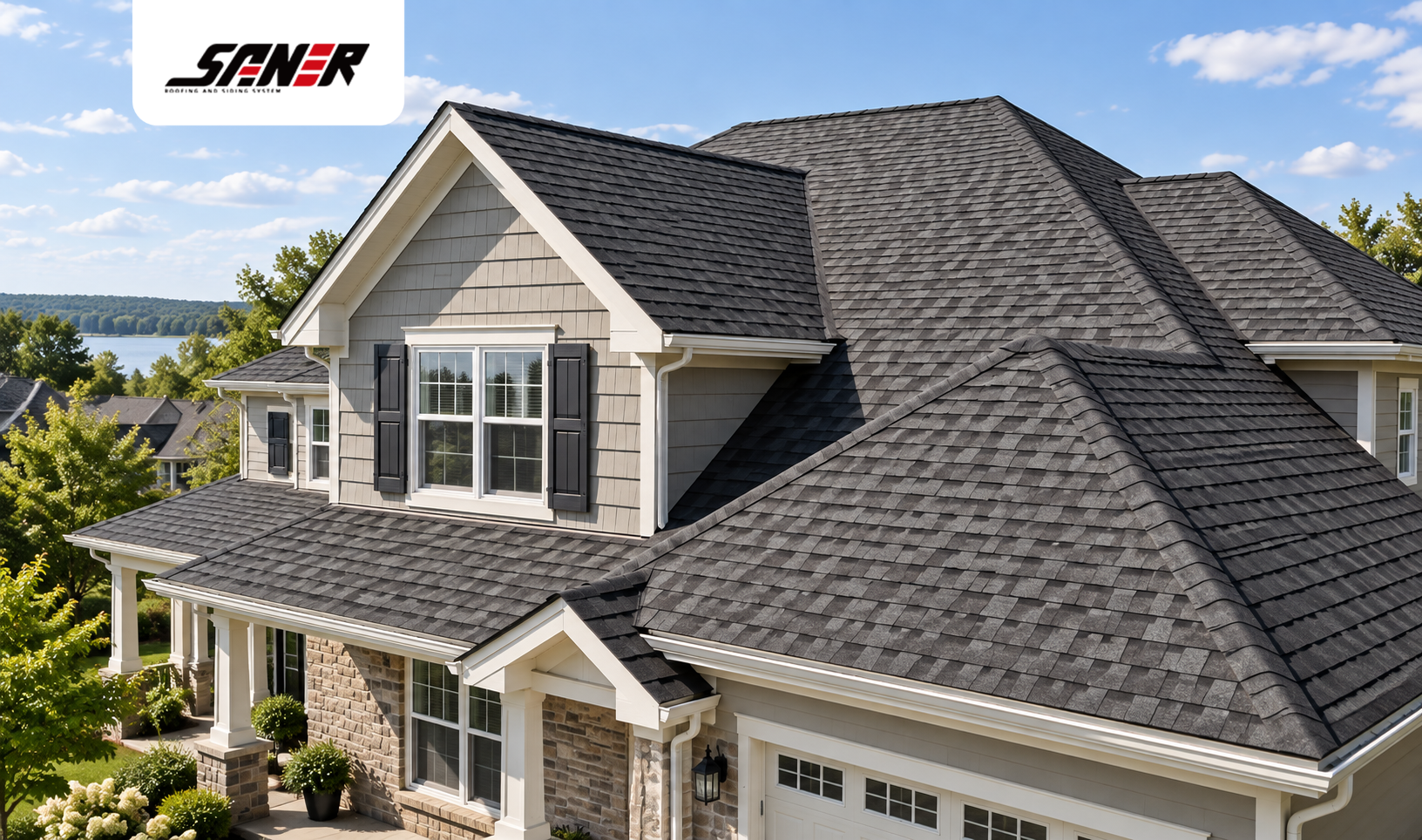
2026/09/17
How long do asphalt shingles really last? Learn why climate, ventilation, installation and roof design can make a 30-year reference very different in real life.
