 EN
EN

U.S. Tariffs on Canadian Building Materials: What It Means for Global Sourcing
2026/09/09
New U.S. tariffs on selected Canadian building materials are changing sourcing decisions. See what this means for distributors, importers and global suppliers.
2026/09/17
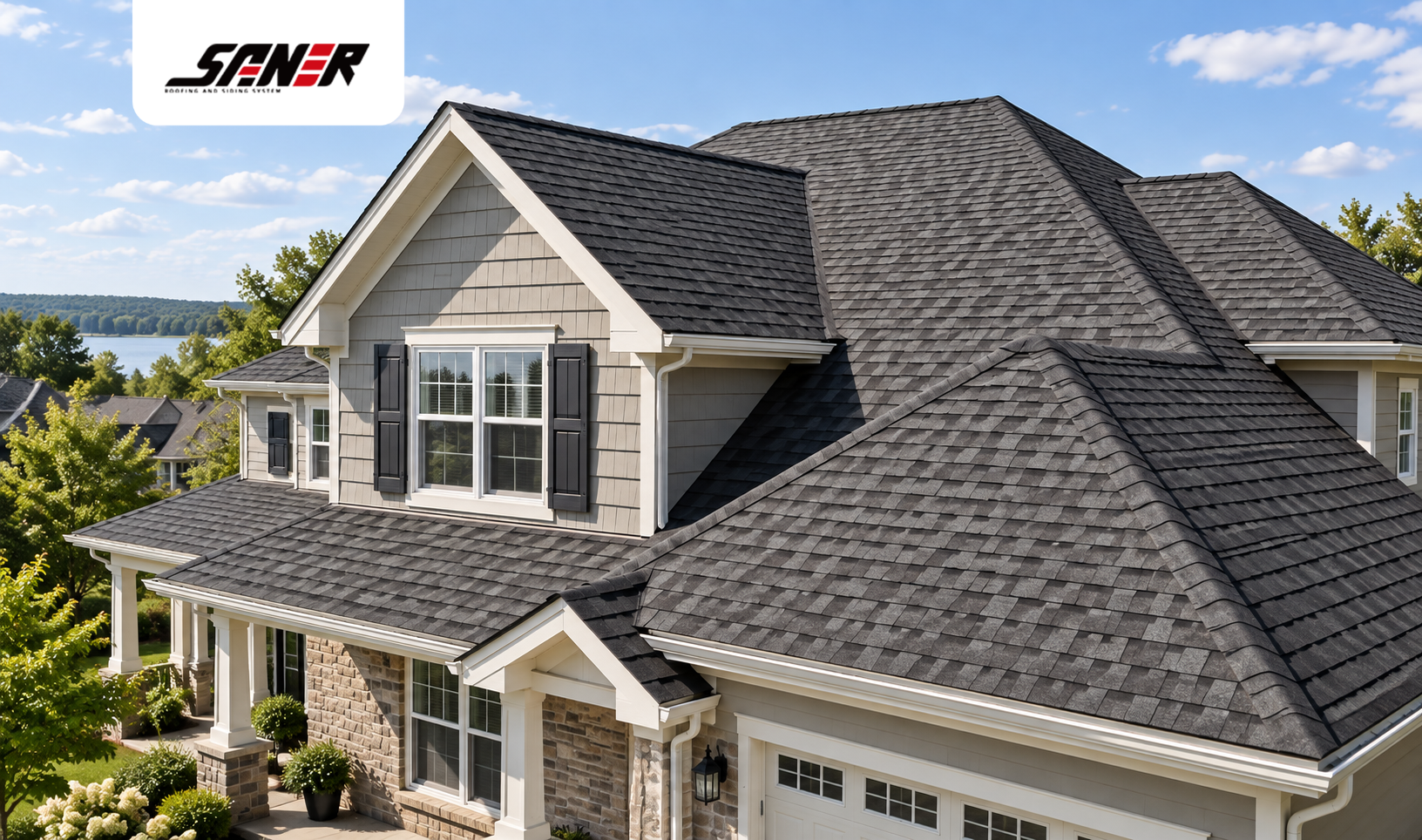
When people ask how long asphalt shingles last, they usually expect a simple number.
Twenty years? Thirty years? Maybe longer?
In reality, a single number rarely tells the whole story.
Two roofs covered with similar asphalt shingles can age very differently. One may continue performing well for decades, while another begins showing noticeable signs of deterioration much earlier.
That is because the lifespan of an asphalt shingle roof is not determined by the shingle alone.
It is the result of the shingle, roof design, installation, ventilation, climate and maintenance working together as a complete system.
As a general industry reference, asphalt shingle roofing is commonly associated with a service life of roughly 20 to 30 years, depending on the type of shingle and the conditions in which it is used.
A useful distinction is:
3-tab asphalt shingles: around 20 years as a general reference
Architectural Shingles: around 30 years as a general reference
These figures are useful when comparing roofing materials, but they should not be treated as guarantees.
Actual roof life can change significantly depending on climate, roof design, installation quality and maintenance.
A better way to understand a “30-year lifespan” is therefore:
It is a reference under suitable conditions, not a fixed expiration date for every roof.
Not all asphalt shingles are built the same way.
Traditional 3-tab shingles use a relatively simple structure and provide an economical roofing solution.
Architectural Shingles use a laminated construction that creates a thicker, more dimensional product.
This additional structure can contribute to better resistance to wind, weather exposure and everyday wear when the shingles are correctly designed and installed.
For that reason, Architectural Shingles are generally associated with a longer expected service life than traditional 3-tab shingles.
But a stronger shingle alone cannot guarantee a longer-lasting roof.
A high-quality product installed on a poorly designed roofing system may still deteriorate prematurely.
Climate is one of the biggest variables affecting asphalt shingle lifespan.
A roof is exposed every day to sunlight, temperature changes, moisture, wind and other environmental conditions.
The severity of that exposure can vary dramatically from one region to another.
Strong UV exposure and consistently high roof temperatures place long-term stress on asphalt materials.
During the day, the roof surface heats up. At night, it cools down.
This repeated expansion and contraction happens thousands of times during the life of a roof.
Over time, prolonged heat and UV exposure can accelerate material ageing.
High humidity, frequent rain and long periods of moisture exposure place different demands on the roofing system.
Good drainage, ventilation and correct installation become especially important.
Cold regions create another type of stress.
Repeated freeze-thaw cycles, snow accumulation and ice formation may affect both the shingles and the components underneath them.
Wind and hail introduce direct mechanical damage.
Strong winds can place pressure on shingle edges, adhesive strips and fastening points.
Hail may damage the mineral granule surface and, in severe cases, expose or weaken the asphalt underneath.
This is why the question:
“How many years will this shingle last?”
is often less useful than:
“How will this roofing system perform in my local climate?”
Homeowners naturally focus on the roofing material they can see.
But some of the conditions that influence roof lifespan develop underneath the shingles.
Attic ventilation is one of the clearest examples.
A properly designed ventilation system helps move excess heat and moisture out of the attic space.
Without sufficient ventilation, heat can accumulate beneath the roof deck.
In warm weather, this can expose the underside of the roofing system to elevated temperatures for long periods.
Moisture is another concern.
If moisture remains trapped inside the attic, it can affect the roof deck, insulation and other components of the roofing system.
Over time, these conditions may contribute to premature deterioration.
That leads to an important principle:
A high-quality shingle cannot compensate for a poorly designed roof system.
The visible shingle is only one part of the roof.
Even a well-manufactured shingle can underperform if it is installed incorrectly.
Common installation details that can influence roof performance include:
correct nail placement;
appropriate fastening quantity;
roof deck condition;
proper underlayment;
starter strip installation;
flashing around roof penetrations;
valley construction;
ridge installation; and
correct installation for the roof pitch.
Shingles also rely on proper sealing.
Temperature and weather conditions during installation may affect how quickly adhesive areas bond.
Incorrect fastening or poor detailing around edges and penetrations can create problems long before the roofing material itself reaches the end of its normal service life.
For this reason, asphalt roofing should be treated as a complete system rather than a layer of individual shingles.
A typical asphalt roofing system can include:
Roof deck
→ Underlayment
→ Waterproofing protection
→ Starter shingles
→ Main shingles
→ Hip and ridge shingles
→ Flashing
→ Ventilation
Each component performs a different job.
The underlayment provides additional protection beneath the shingles.
Starter shingles help secure roof edges.
Flashing helps control water around valleys, walls, chimneys and penetrations.
Ventilation manages heat and moisture.
Hip and ridge products protect some of the most exposed areas of the roof.
If one part of the system fails, the performance of the entire roof may be affected.
This is why judging roof longevity only by the thickness or appearance of a shingle gives an incomplete picture.
This is another area that often causes confusion.
A roofing warranty and the actual physical lifespan of a roof are related, but they are not the same thing.
A warranty defines what is covered, under which conditions and for how long.
Actual service life describes how long the installed roofing system continues to perform satisfactorily under real conditions.
A long warranty does not mean that every roof will physically last for exactly that period.
Likewise, reaching the end of a warranty period does not automatically mean that a roof has reached the end of its usable life.
When evaluating asphalt shingles, buyers should therefore look beyond the warranty period and consider:
shingle construction;
material quality;
product testing;
wind resistance;
impact resistance;
installation requirements;
climate suitability; and
overall roofing-system design.
Asphalt roofs usually age gradually.
There is rarely one single moment when the entire roof suddenly reaches the end of its life.
Instead, several warning signs may begin to appear.
Mineral granules protect the asphalt surface from sunlight and weather exposure.
Some loose granules are normal, particularly around new roofing materials.
However, excessive granule loss that leaves visible asphalt areas may indicate ageing, physical wear or storm damage.
Cracks can develop as the roofing material ages and experiences repeated thermal movement.
Widespread cracking deserves closer inspection.
Shingles that begin curling, lifting or losing their original shape may indicate ageing, heat exposure, ventilation problems or installation issues.
Strong winds or poor fastening can cause individual shingles to move or detach.
Exposed areas should be repaired quickly to prevent water from reaching the layers below.
Not every roof leak is caused by shingle failure.
Chimneys, vents, valleys, walls and other penetrations are common places where water can enter if flashing details deteriorate or are installed incorrectly.
One isolated repair does not necessarily mean a roof needs replacement.
However, when repairs become frequent across multiple areas of an ageing roof, replacement may eventually become more economical than repeatedly fixing individual problems.
Asphalt roofs are relatively low maintenance, but low maintenance does not mean no maintenance.
Periodic inspections can help identify minor problems before they develop into larger failures.
Useful maintenance practices include:
removing excessive debris;
keeping gutters and drainage paths clear;
checking flashing and penetrations;
inspecting the roof after severe storms;
replacing damaged or missing shingles;
checking attic ventilation; and
avoiding unnecessary foot traffic on the roof.
Maintenance cannot reverse natural material ageing.
But it can prevent avoidable problems from shortening the useful life of the roof.
Around 30 years can be used as a general reference for Architectural Shingles under suitable conditions.
But actual service life may be shorter or longer.
A properly manufactured shingle installed on a sound roof deck, with appropriate ventilation, good detailing and professional installation has a much better chance of approaching its intended service life.
The same product exposed to extreme heat, repeated storms, poor ventilation or incorrect installation may age considerably faster.
That is why the most useful question is not simply:
“How long does an asphalt shingle last?”
A better question is:
“What conditions allow an asphalt roofing system to perform well for as long as possible?”
That distinction matters.
Because roof longevity is rarely determined by one specification, one material or one number.
It is the result of the whole roofing system working together.

2026/09/09
New U.S. tariffs on selected Canadian building materials are changing sourcing decisions. See what this means for distributors, importers and global suppliers.

2026/09/03
The SANER team recently enjoyed a team-building night with dinner and karaoke, bringing colleagues together outside the workplace for a relaxed evening.
2026/09/01
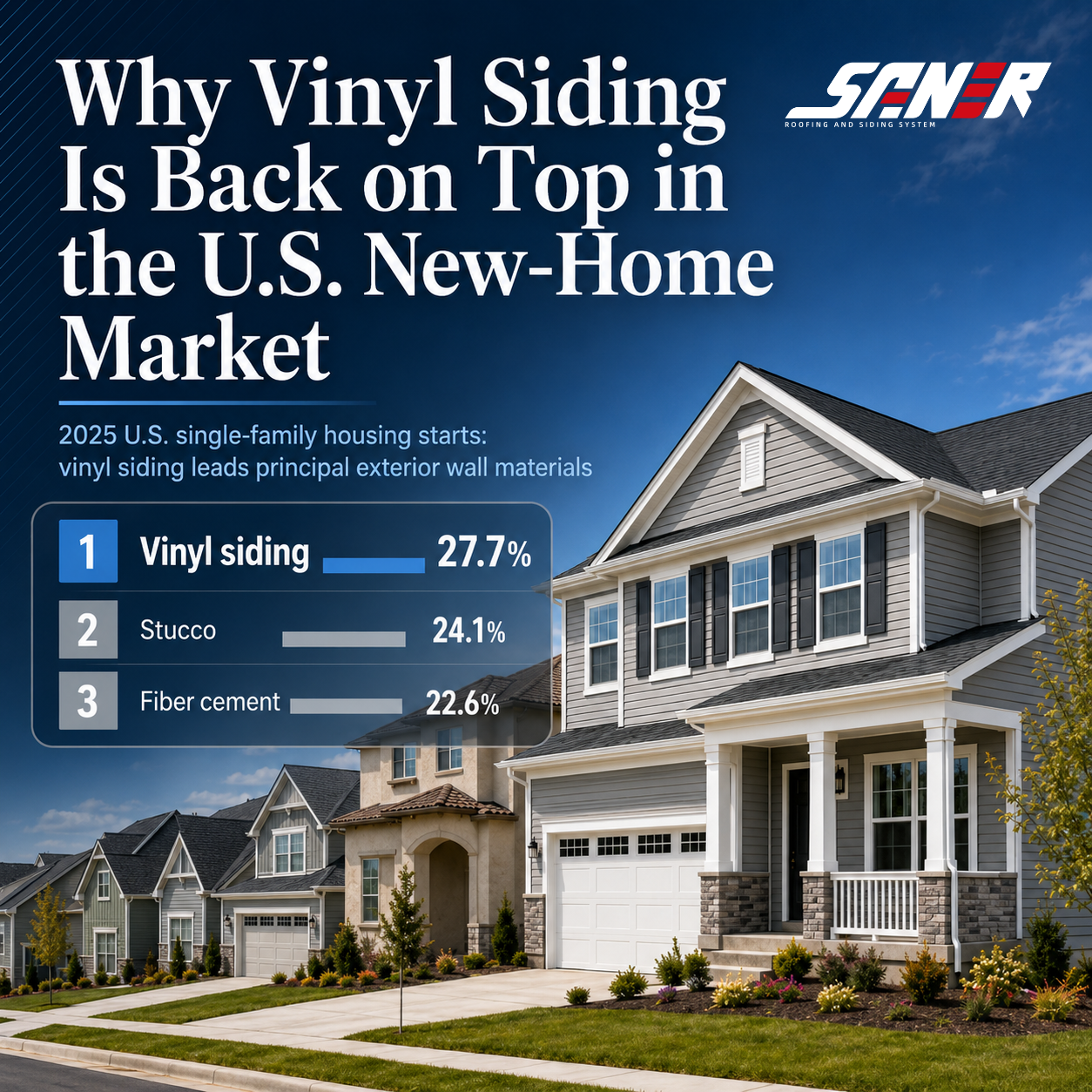
Vinyl siding accounted for 27.7% of U.S. single-family homes started in 2025. Discover why cost, installation efficiency and regional demand are driving its return in 2026.
2026/08/26
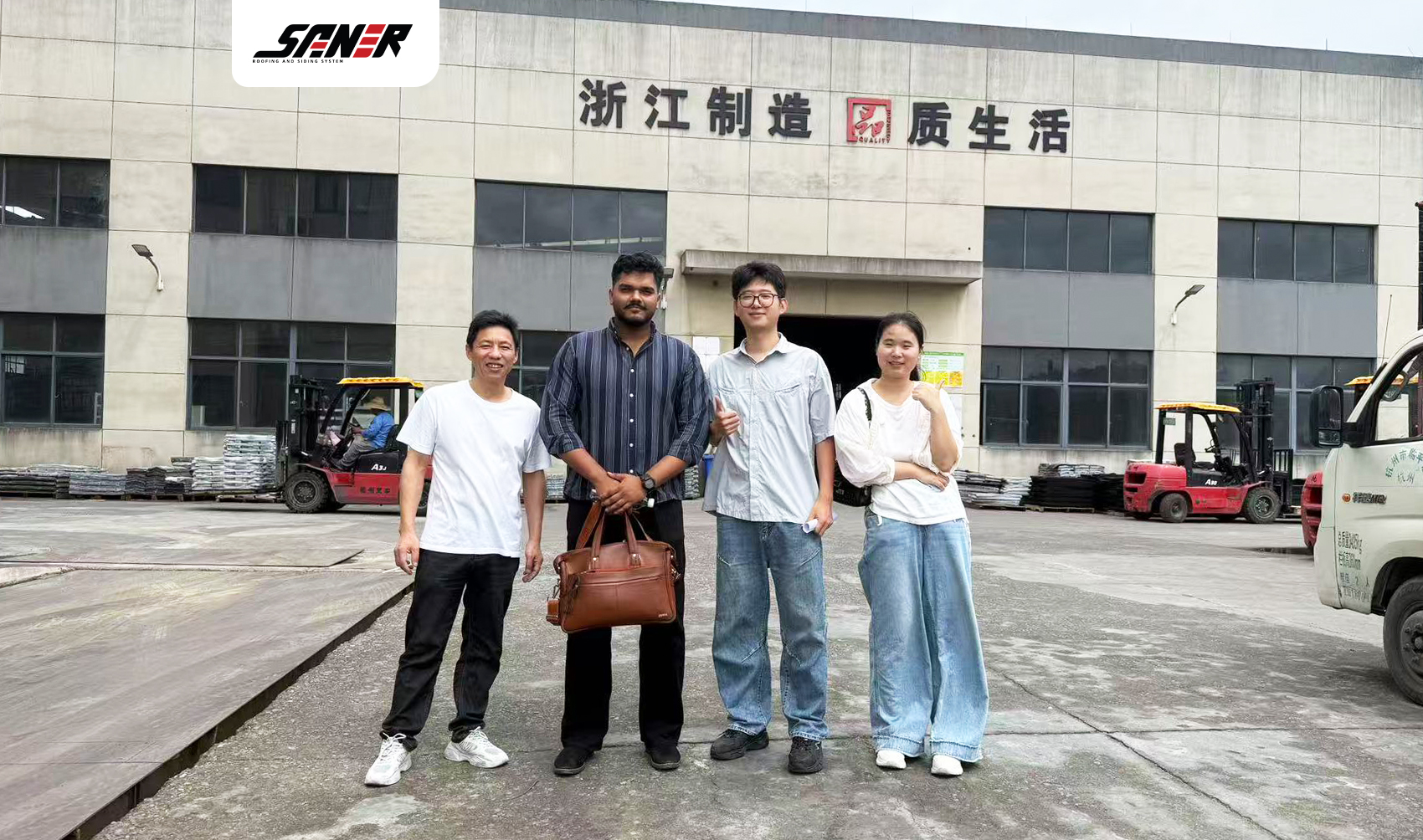
Indian customer visits Saner factory in China to explore roofing materials, production capabilities, quality control and future cooperation.
2026/09/01
Discover key insights on roofing shingles from SANER, including benefits, pricing, and performance tips.
