 EN
EN

Asphalt Shingle Lifespan: What Really Determines How Long a Roof Lasts?
2026/09/17
How long do asphalt shingles really last? Learn why climate, ventilation, installation and roof design can make a 30-year reference very different in real life.
2026/09/01
For years, vinyl siding seemed to be losing ground.
Its share of the U.S. new-home exterior market had fallen well below the levels seen in the early 2000s. Stucco gained strength, particularly in fast-growing Sun Belt markets, while fiber cement became an increasingly common choice for builders looking for a more premium exterior finish.
Then the numbers shifted again.
According to the latest data released by the National Association of Home Builders, vinyl siding was the most widely used principal exterior wall material on U.S. single-family homes started in 2025. It accounted for 27.7% of new homes, ahead of stucco at 24.1% and fiber cement at 22.6%.
That result deserves more attention than a simple headline saying "vinyl siding is popular again."
The more interesting question is why.
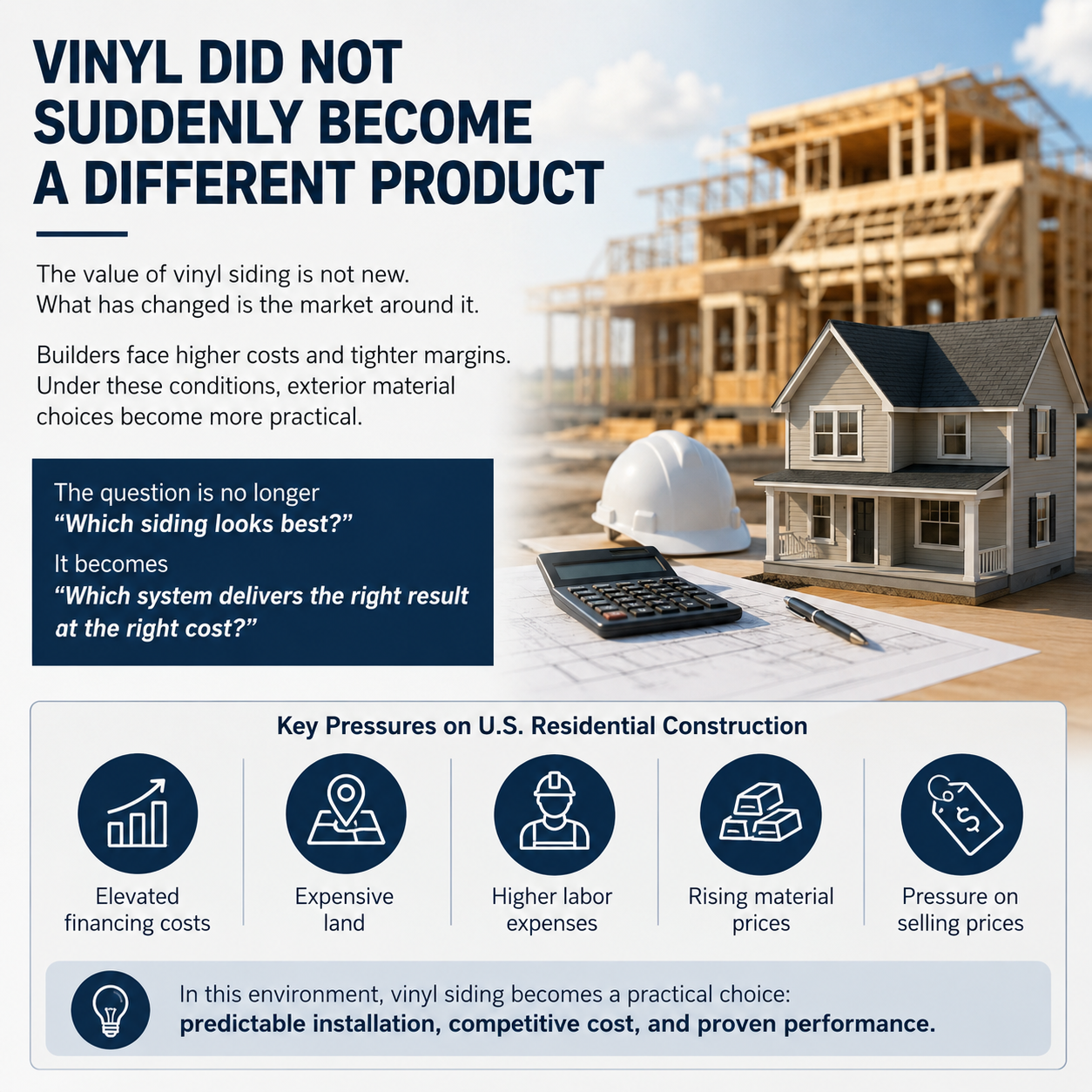
There has been no overnight change in the basic value proposition of vinyl siding.
Builders have known its advantages for decades: it is relatively quick to install, requires little routine maintenance, offers broad color and profile options, and generally delivers a competitive installed cost.
What has changed is the market around it.
Housing affordability remains one of the biggest constraints on U.S. residential construction. Builders are dealing with elevated financing costs, expensive land, higher labor expenses and rising material prices. NAHB reported in August 2026 that residential building material prices excluding energy were 5% higher than a year earlier, the largest year-over-year increase since December 2022.
Under those conditions, exterior material selection becomes more practical.
The question is no longer simply:
Which siding looks best on the specification sheet?
It increasingly becomes:
Which exterior system gives the builder the right appearance, acceptable durability and predictable installation cost without pushing the home beyond its target selling price?
That is where vinyl becomes difficult to ignore.
Vinyl siding is often described as an inexpensive exterior material. That description is too simplistic.
For builders, the material purchase price is only part of the equation.
They also have to consider:
installation speed;
labor availability;
waste on site;
accessory requirements;
maintenance expectations;
repairability;
callbacks;
construction schedule.
A product that costs slightly less per square meter but creates more labor or installation problems may not actually be the cheaper solution.
This is why the competitiveness of vinyl siding should be judged at the system level, not only by the price of the panels.
Its strongest commercial argument is often not "low price."
It is cost predictability.
For production builders working across dozens or hundreds of homes, predictability has real financial value. A familiar siding system with straightforward installation, standardized accessories and an established contractor base helps reduce uncertainty on the jobsite.
That advantage becomes more valuable when skilled construction labor is expensive.
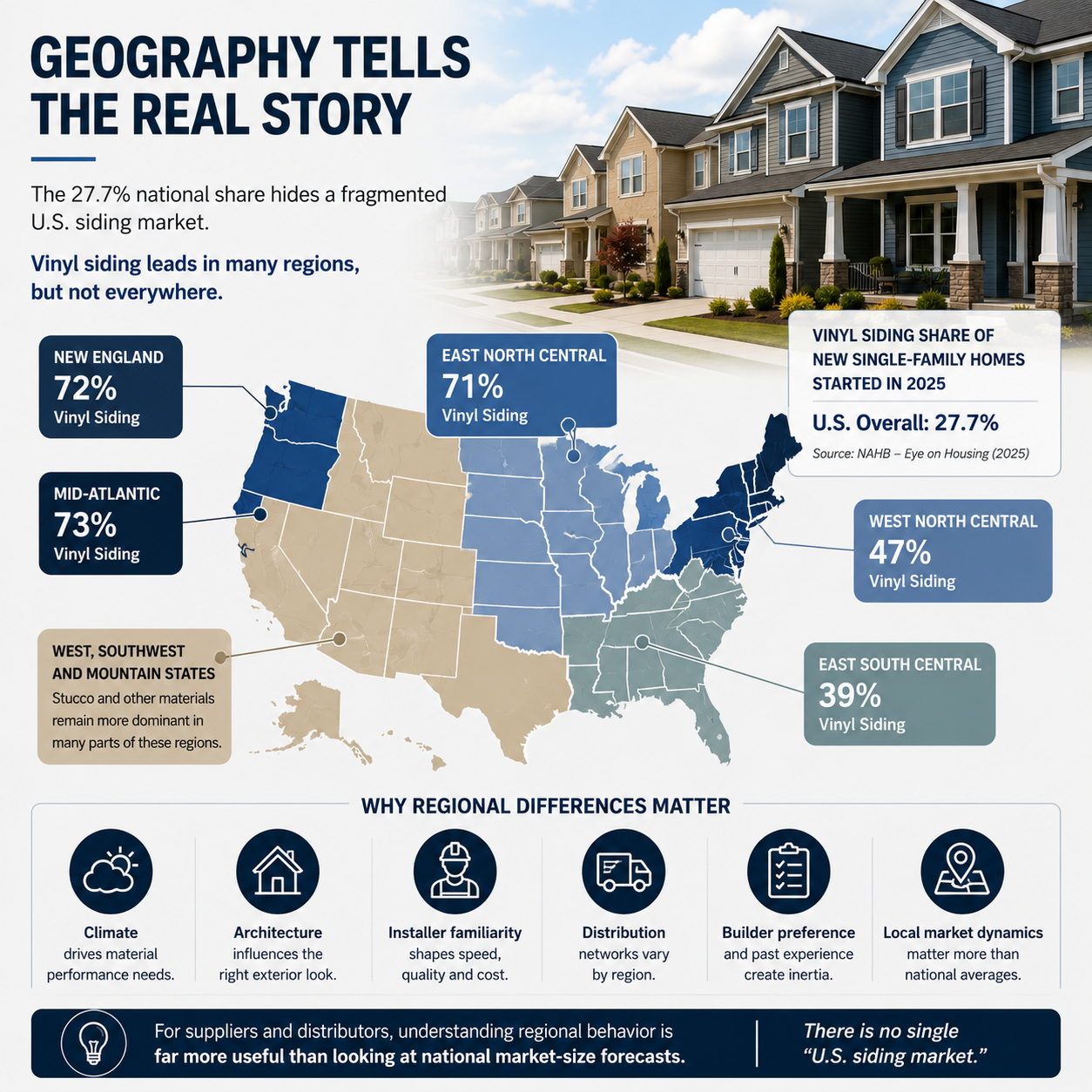
The 27.7% national share also hides a much more fragmented U.S. siding market.
Vinyl siding was used on 73% of new single-family homes in the Mid-Atlantic, 72% in New England and 71% in the East North Central region in 2025. It also led in the West North Central region at 47% and reached 39% in the East South Central.
Those figures are important for manufacturers and distributors.
There is no single "U.S. siding market."
A product strategy that works in Pennsylvania, Ohio or Michigan may make little sense in Arizona or parts of California, where stucco is much more deeply embedded in local construction practice.
Climate matters.
Architecture matters.
Installer familiarity matters.
Distribution networks matter.
And perhaps most importantly, builders tend to keep using systems their crews already understand.
That creates a form of regional inertia. Once a siding system has a strong contractor base, established accessory supply and broad acceptance among builders, replacing it is harder than simply offering another material with attractive specifications.
For overseas suppliers entering North America, understanding this regional behavior is more useful than looking at a national market-size forecast.
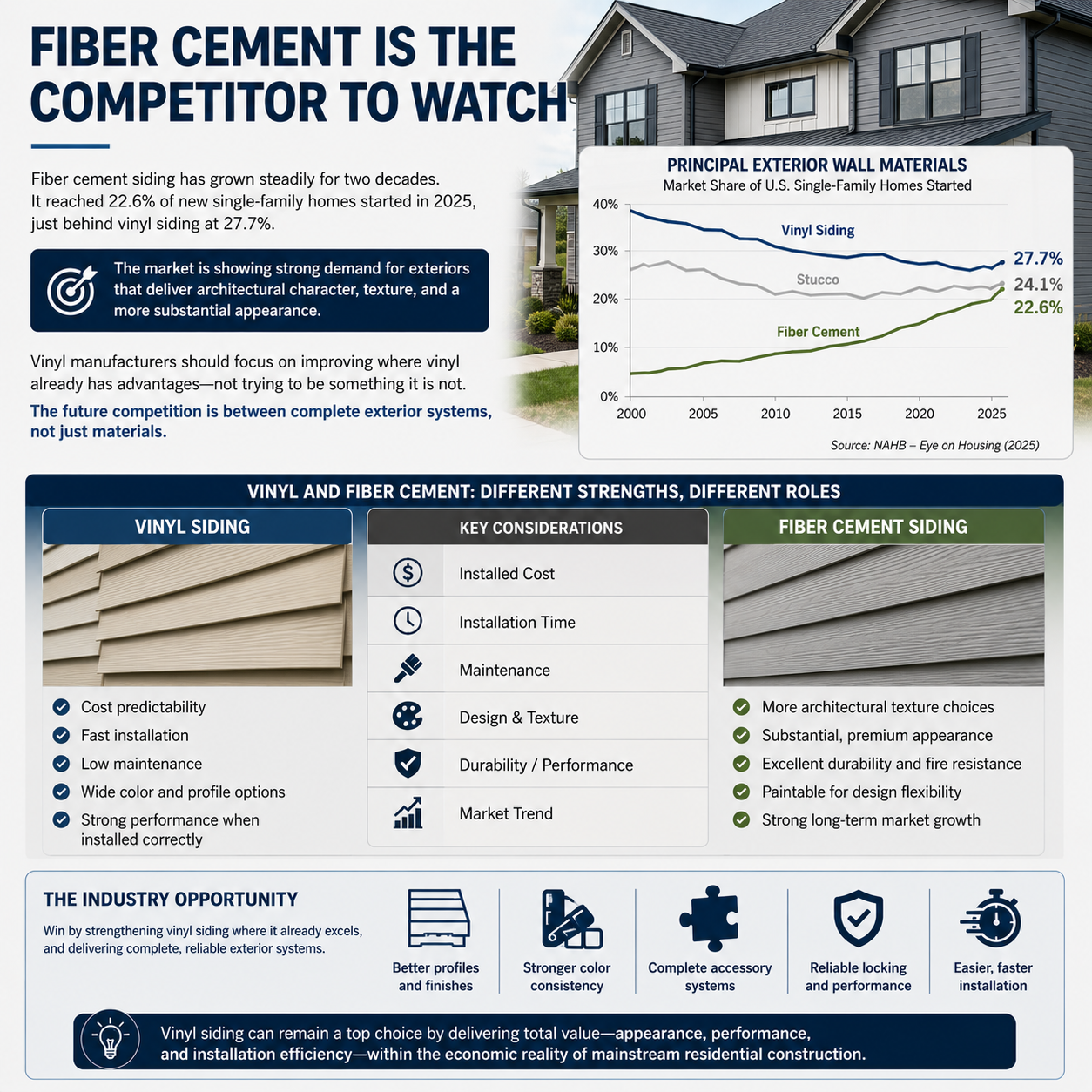
The most significant long-term siding trend may not be vinyl's return to first place.
It is the continued strength of fiber cement.
NAHB's data puts fiber cement at 22.6% of homes started in 2025, and its market share has risen substantially over the past two decades. citeturn473876search0turn473876search4
That tells us something important about the direction of the market.
There is clearly demand for exterior products that can deliver stronger architectural character, different surface textures and a more substantial appearance.
Vinyl manufacturers should not respond by trying to make vinyl something it is not.
Instead, the industry's opportunity is to improve the areas where vinyl already has an advantage:
better profiles, more convincing surface finishes, stronger color consistency, complete accessory systems, reliable locking geometry and easier installation.
The future competition in siding will not simply be "cheap material versus expensive material."
It will increasingly be a competition between complete exterior systems.
A price-conscious market does not automatically mean buyers will accept lower quality.
In fact, the opposite can happen.
When builders operate on tighter margins, failures become more expensive.
Poor dimensional consistency can slow installation.
Weak locking systems can create problems during high winds.
Color variation between production batches becomes much more visible across large developments.
Incorrect formulation or poor manufacturing control can contribute to distortion and premature appearance problems.
And badly designed accessories can turn an otherwise acceptable panel into a frustrating system to install.
For distributors evaluating vinyl siding suppliers, the discussion therefore needs to go beyond thickness and price.
They should also be asking:
How stable is the extrusion process?
How consistent is the locking profile?
How well are colors controlled from batch to batch?
Does the supplier offer the necessary corners, trims, starter strips and finishing accessories?
How is the product packed for long-distance transportation?
Can the factory maintain the same specification across repeat orders?
Those questions are much closer to the real risks of distributing siding.
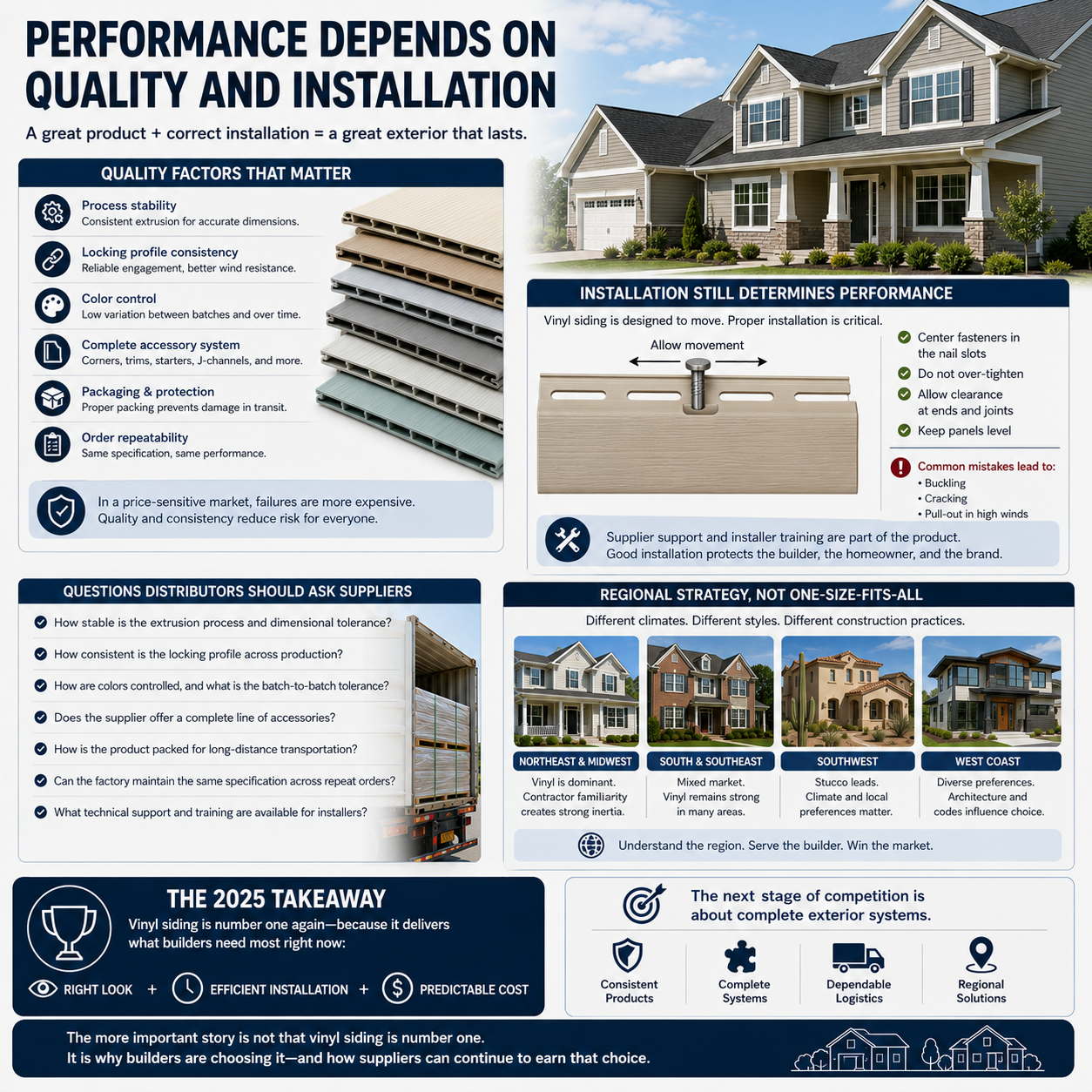
Vinyl siding is designed to move.
PVC expands and contracts as temperatures change, which is why proper fastening is critical. Panels should not be locked rigidly against the wall, and fasteners should allow the siding to move within the nail slots.
This sounds like a small installation detail.
It is not.
Over-fastening, insufficient expansion clearance and incorrect positioning can turn a good product into a poor-performing wall.
That is another reason suppliers should treat installation knowledge as part of the product rather than something that ends when the container leaves the factory.
For distributors, technical support can reduce claims.
For contractors, it reduces callbacks.
For homeowners, it determines whether the siding continues to look right years after installation.
Vinyl siding returning to the number-one position does not mean the U.S. market is moving backward.
It shows something more practical.
When housing is expensive to build and expensive to buy, materials that balance appearance, installation efficiency, maintenance and cost become more valuable.
That is vinyl siding's position today.
Its opportunity is not to win every segment of the market. It probably never will.
Its opportunity is to remain one of the most economically efficient exterior systems available to mainstream residential construction.
For manufacturers and distributors, that means the next stage of competition will be about more than panel price.
The suppliers that perform well will be the ones that can offer consistent products, complete systems, dependable logistics and specifications suited to the regions in which their customers actually sell.
The headline may be that vinyl siding is number one again.
The more important story is why builders are choosing it.
2026/09/17
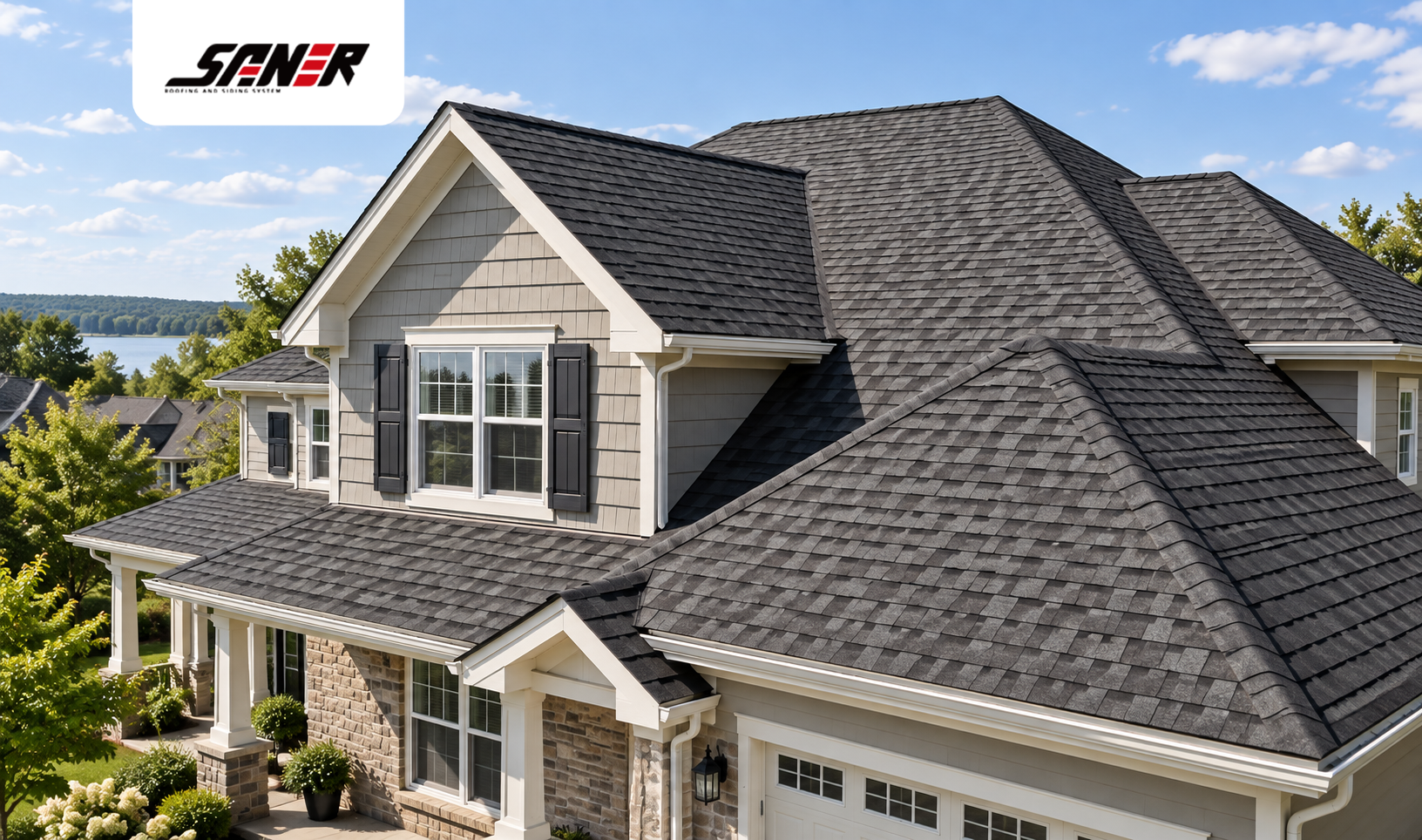
How long do asphalt shingles really last? Learn why climate, ventilation, installation and roof design can make a 30-year reference very different in real life.
2026/09/09
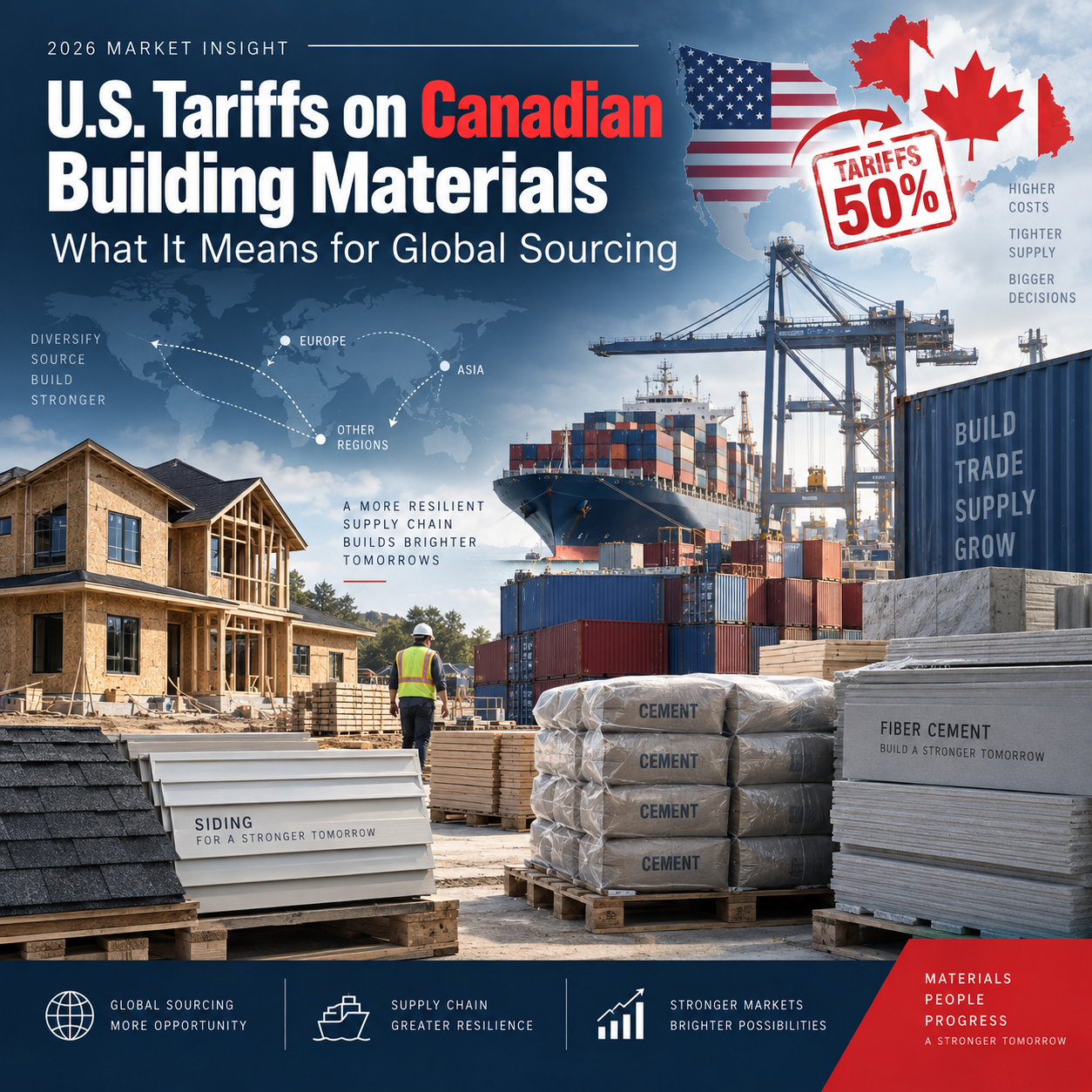
New U.S. tariffs on selected Canadian building materials are changing sourcing decisions. See what this means for distributors, importers and global suppliers.

2026/09/03
The SANER team recently enjoyed a team-building night with dinner and karaoke, bringing colleagues together outside the workplace for a relaxed evening.
2026/08/26
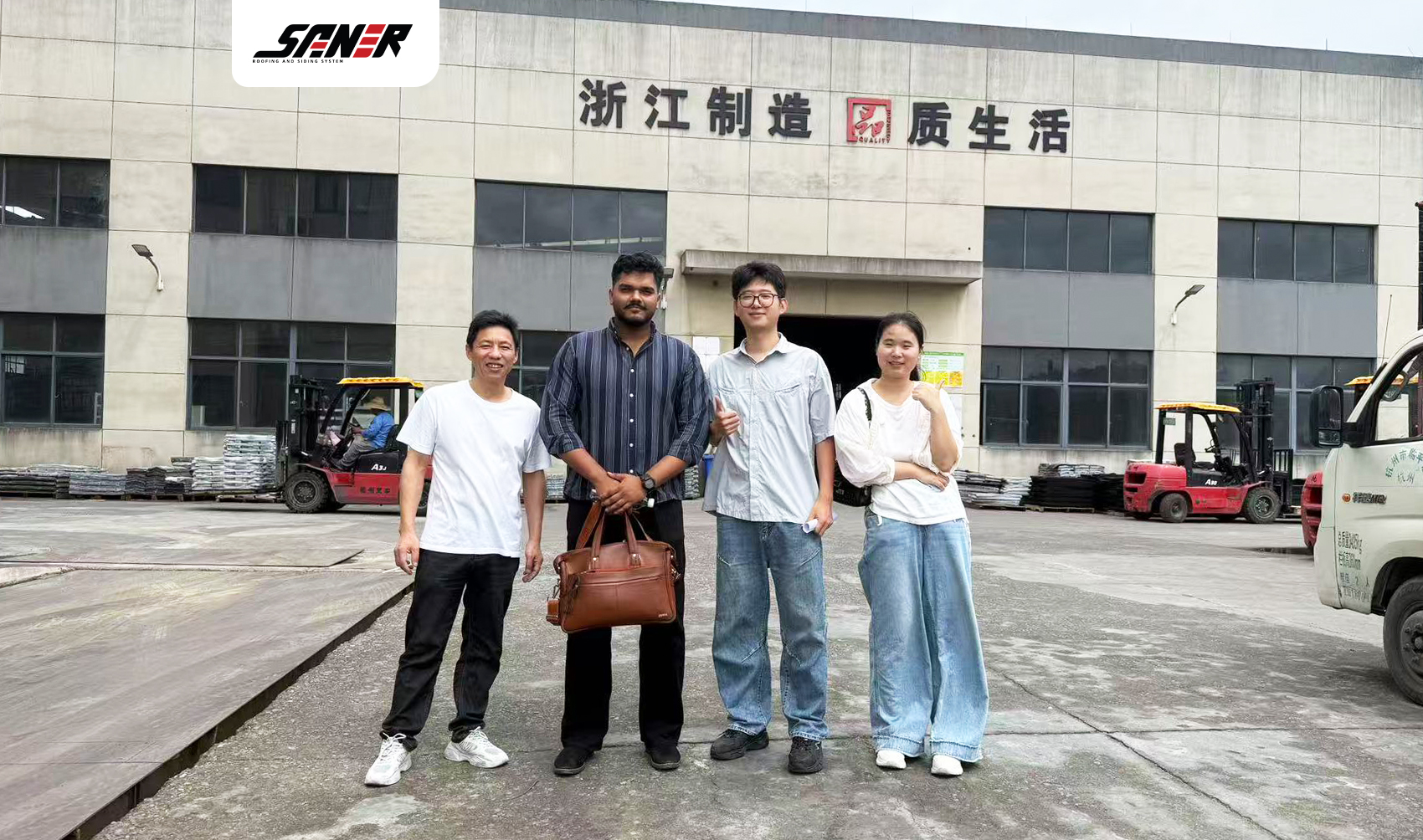
Indian customer visits Saner factory in China to explore roofing materials, production capabilities, quality control and future cooperation.
2026/09/01
Discover key insights on roofing shingles from SANER, including benefits, pricing, and performance tips.
