 EN
EN

Asphalt Shingle Lifespan: What Really Determines How Long a Roof Lasts?
2026/09/17
How long do asphalt shingles really last? Learn why climate, ventilation, installation and roof design can make a 30-year reference very different in real life.
2026/02/14
Asphalt shingles have become one of the most popular roofing materials in the world, especially for residential buildings. Their excellent balance of affordability, durability, aesthetics, and ease of installation has made them the preferred choice for homeowners, contractors, distributors, and builders across North America, Europe, Asia, and many other regions. Whether you are planning to build a new home, renovate an existing roof, or source roofing materials for commercial projects, understanding asphalt shingles can help you make a more informed decision. In this article, we explore what asphalt shingles are, their key benefits, different types, common applications, and important factors to consider when choosing the right roofing solution.
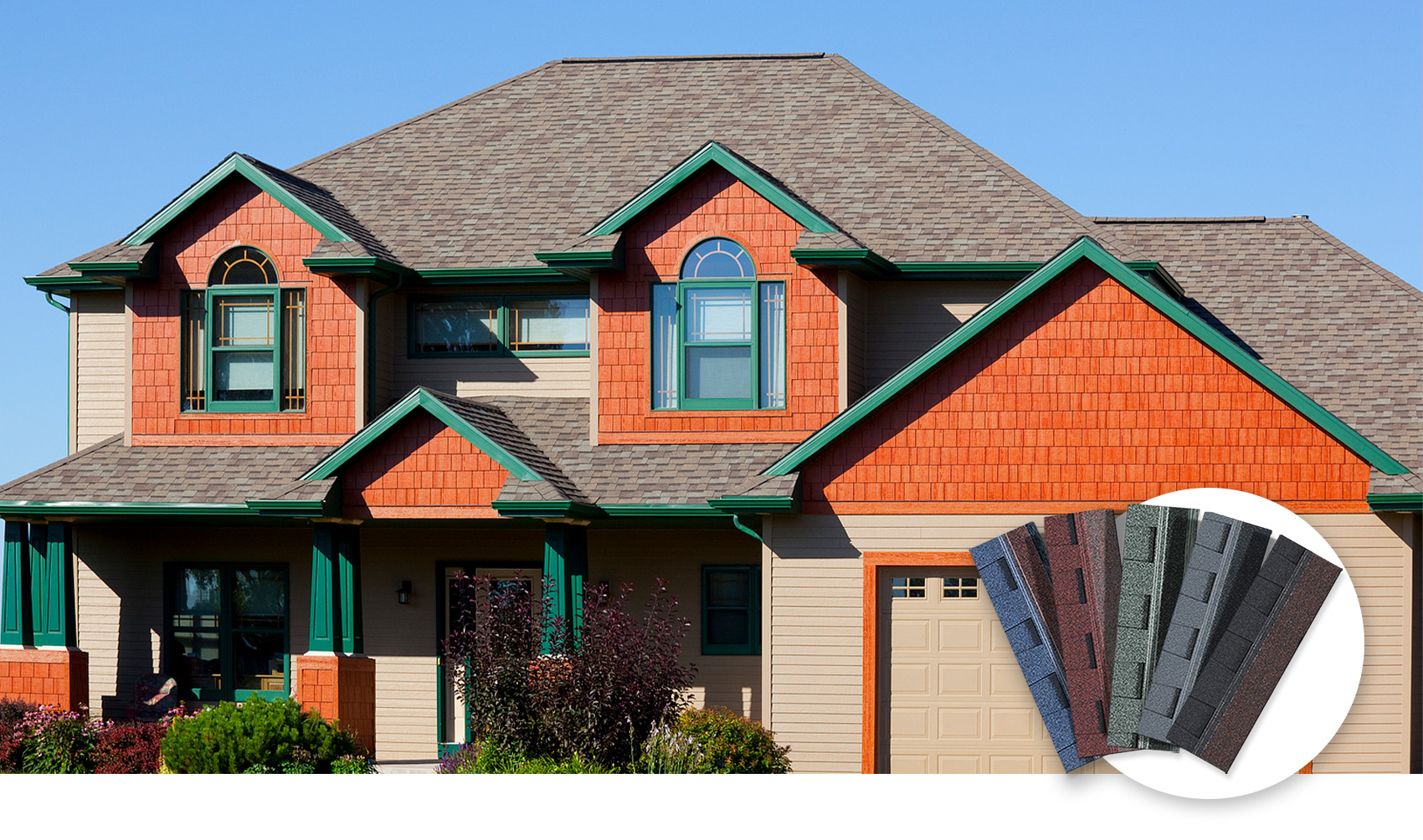
Asphalt shingles are roofing materials manufactured by combining a durable fiberglass mat with high-quality asphalt and protective mineral granules. Each layer serves a specific purpose, creating a roofing product that offers long-lasting weather protection and an attractive appearance. The fiberglass core provides structural strength and dimensional stability. The asphalt coating creates an effective waterproof barrier, while ceramic-coated mineral granules protect the roof from ultraviolet radiation, moisture, and harsh environmental conditions. Together, these components form a reliable roofing system capable of performing in a wide range of climates.
Today, asphalt shingles are widely used on residential homes, villas, townhouses, apartment buildings, and light commercial structures due to their versatility and cost-effectiveness.
One of the primary reasons asphalt shingles dominate the residential roofing market is their exceptional value. Compared with many premium roofing materials, asphalt shingles offer excellent performance without requiring a significant investment. Another important advantage is their wide variety of colors, textures, and architectural styles. Homeowners can choose roofing designs that complement modern, traditional, or classic architectural styles while enhancing curb appeal.
In addition, asphalt shingles are relatively lightweight compared with concrete tiles or natural slate, reducing structural load requirements and simplifying transportation and installation. Professional roofing contractors also appreciate asphalt shingles because they can be installed efficiently, reducing labor costs and project timelines.
Different roofing projects require different types of shingles. Understanding these options helps buyers select products that best meet their project requirements.
3-tab shingles feature a uniform, flat appearance with evenly spaced tabs. They are economical, lightweight, and suitable for many residential applications where budget considerations are important. Their clean design makes them a practical solution for standard residential roofing projects.
Architectural shingles, also known as laminated shingles, consist of multiple layers that create greater thickness and a dimensional appearance. Compared with traditional 3-tab shingles, architectural shingles generally provide improved durability, stronger wind resistance, and enhanced visual appeal. Their textured design closely resembles premium roofing materials while maintaining reasonable installation costs.
Many homeowners choose laminated shingles when upgrading older roofs because they offer an excellent balance between performance and aesthetics.
Asphalt shingles provide one of the best price-to-performance ratios available in the roofing industry. They allow builders and homeowners to achieve durable roof protection while controlling project costs.
Modern asphalt shingles are designed to withstand heavy rain, snow, strong sunlight, and varying temperatures. High-quality products also provide excellent resistance to UV exposure and moisture penetration. Depending on the product specification, many asphalt shingles can achieve impressive wind resistance when installed according to manufacturer guidelines.
The lightweight nature of asphalt shingles allows roofing contractors to complete installation efficiently. Faster installation not only reduces labor expenses but also minimizes disruption during roof replacement projects.
Available in numerous colors and profiles, asphalt shingles can significantly improve the appearance of residential properties. Manufacturers continue to introduce new color collections that match contemporary architectural trends.
Routine inspections and occasional cleaning are generally sufficient to maintain asphalt shingle roofs. If damage occurs, individual shingles can often be replaced without removing the entire roofing system.
Asphalt shingles are suitable for a wide variety of roofing projects, including: Residential homes, Villas, Townhouses, Apartments, Vacation homes, Residential renovation projects, Light commercial buildings
Their versatility makes them one of the most adaptable roofing materials available today.
Selecting the right asphalt shingles involves more than choosing a color. Buyers should carefully evaluate local climate conditions, roof slope, building design, expected service life, and local building regulations.
Wind resistance, fire classification, algae resistance, and warranty coverage are also important considerations. For distributors and importers, product consistency, manufacturing capability, packaging quality, and reliable delivery schedules are equally critical when selecting a long-term supplier.
The performance of asphalt shingles depends heavily on manufacturing quality. A professional manufacturer maintains strict quality control throughout every production stage, including raw material inspection, fiberglass reinforcement, asphalt coating, granule application, cutting, packaging, and final inspection.
Modern automated production lines improve dimensional accuracy, reduce production variation, and ensure consistent product quality across every batch. Quality management also helps guarantee stable product performance during transportation, storage, and installation.
For distributors, wholesalers, contractors, and private-label brands, choosing the right manufacturing partner is just as important as selecting the right roofing product. An experienced manufacturer should offer:Stable production capacity, Consistent product quality, Flexible OEM and ODM services, Professional export experience, Comprehensive quality inspection, Reliable delivery schedules, Technical support for international customers
A dependable supplier can help customers improve purchasing efficiency while supporting long-term business growth.
The roofing industry continues to evolve with growing demand for sustainable manufacturing, improved energy efficiency, and longer-lasting roofing systems. Manufacturers are investing in advanced production technologies, environmentally responsible materials, and enhanced quality control processes to meet changing market expectations.
At the same time, customers increasingly value products that combine durability, attractive appearance, and competitive pricing. Asphalt shingles continue to meet these expectations, making them one of the most trusted roofing materials worldwide.
Asphalt shingles remain one of the most practical and widely used roofing solutions available today. Their affordability, durability, attractive appearance, and installation efficiency make them suitable for a broad range of residential and light commercial projects.
Whether you are a homeowner planning a roof replacement, a contractor managing construction projects, or a distributor sourcing reliable roofing products, choosing high-quality asphalt shingles from an experienced manufacturer can provide lasting value and dependable performance.
As global demand for modern roofing materials continues to grow, asphalt shingles will remain an essential part of the roofing industry, delivering reliable protection and long-term performance for buildings around the world.
2026/09/17
How long do asphalt shingles really last? Learn why climate, ventilation, installation and roof design can make a 30-year reference very different in real life.

2026/09/09
New U.S. tariffs on selected Canadian building materials are changing sourcing decisions. See what this means for distributors, importers and global suppliers.

2026/09/03
The SANER team recently enjoyed a team-building night with dinner and karaoke, bringing colleagues together outside the workplace for a relaxed evening.
2026/09/01
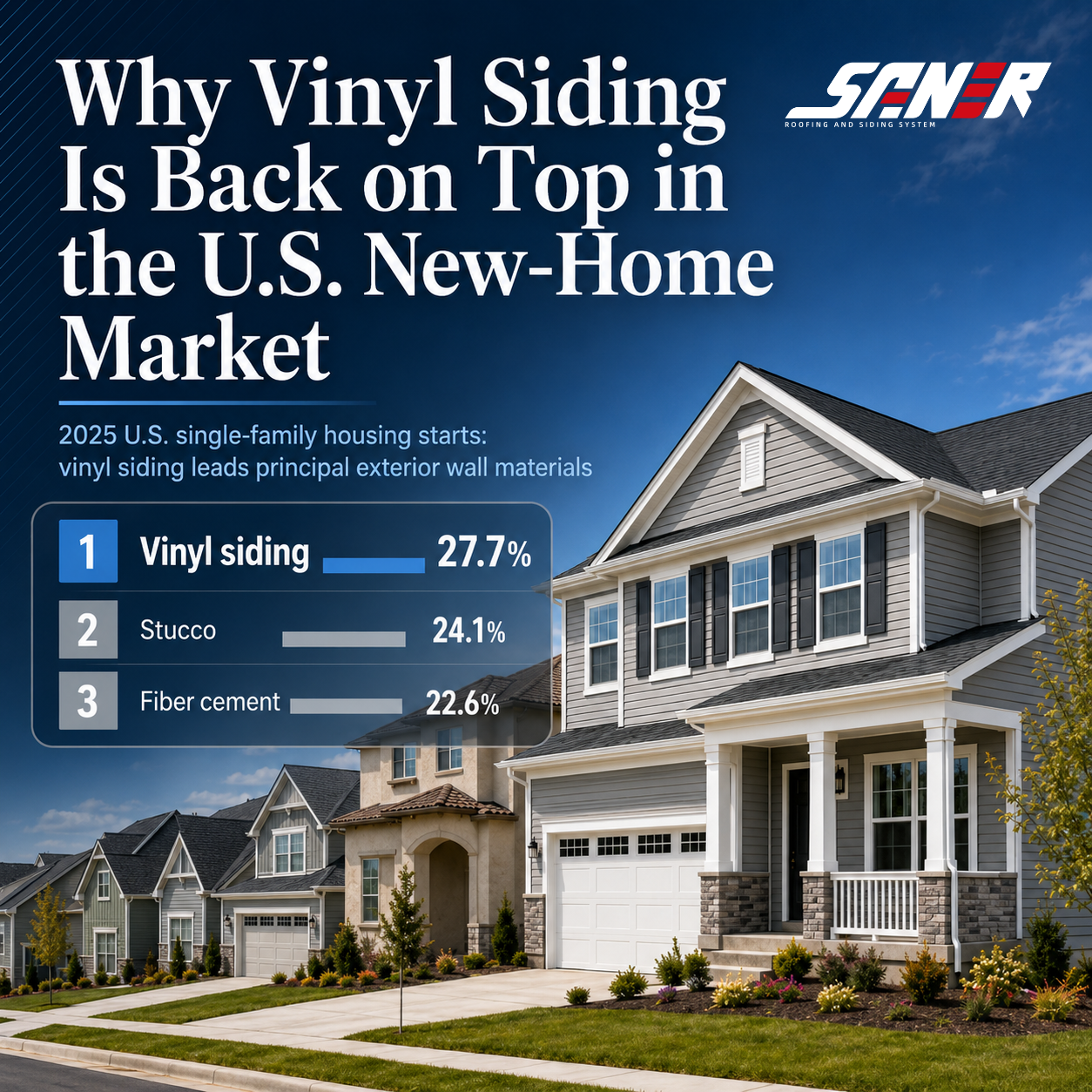
Vinyl siding accounted for 27.7% of U.S. single-family homes started in 2025. Discover why cost, installation efficiency and regional demand are driving its return in 2026.

2026/08/26
Indian customer visits Saner factory in China to explore roofing materials, production capabilities, quality control and future cooperation.
2026/09/01
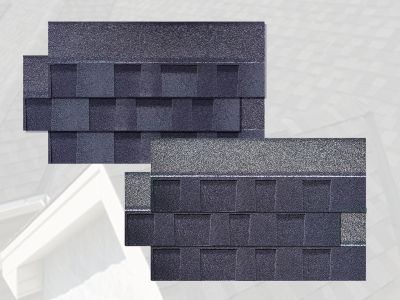
Discover key insights on roofing shingles from SANER, including benefits, pricing, and performance tips.
