 EN
EN

Asphalt Shingle Lifespan: What Really Determines How Long a Roof Lasts?
2026/09/17
How long do asphalt shingles really last? Learn why climate, ventilation, installation and roof design can make a 30-year reference very different in real life.
2026/09/01
When it comes to roofs, choosing the right material is super important. Homeowners want something that lasts long and can handle tough weather. Two popular choices are stone-coated metal roof tiles and asphalt shingles. Here at SANER, we think it’s important to understand the differences between these materials, especially when it comes to strong winds. Stone-coated metal roof tiles are becoming popular because they can stand up to extreme weather better than asphalt shingles. Let’s look at why that is and what makes these tiles a great choice.
Stone-coated metal roof tiles have many perks that make them stand out against asphalt shingles. First, they are really strong. They are made from metal, which is much sturdier than the asphalt used in shingles. This means they can take a beating from heavy winds and rain without breaking or blowing away. For example, a storm with high winds can ruin asphalt shingles, causing them to lift or tear off. On the other hand, stone-coated metal roof tiles stay put, protecting your home from leaks and water damage. Another big advantage is the lifespan of these tiles. While asphalt shingles usually last about 15-30 years, stone-coated metal roof tiles can last over 50 years! That means less money spent on repairs and replacements over time. Plus, they come in many colors and styles, so you can choose what looks best for your home. They even look like traditional tiles or shingles, giving you the style you want without sacrificing strength. Some people worry about the noise of metal roofs, but many stone-coated metal roofs are designed to be quieter than regular metal roofs. This means you can enjoy the sound of rain without it being too loud. So, with their strength, long life, and style options, stone-coated metal roof tiles from SANER are a smart choice for anyone looking for a new roof.
When weather gets rough, having a tough roof is key. Stone-coated metal roof tiles are made to handle extreme conditions. For instance, they are resistant to hail and heavy snow. While asphalt shingles can crack or break under heavy hail, stone-coated tiles just bounce back. This is super important for people who live in areas with lots of storms. They also reflect sunlight, which helps keep your home cooler in hot weather. This means you might save money on energy bills because your air conditioner won’t have to work as hard. Another great thing about these tiles is that they are less likely to rust or be damaged by moisture. In places where it rains a lot, this is a big deal. Asphalt shingles can absorb water and eventually wear out faster because of it. However, stone-coated metal tiles shed water effectively, keeping your roof and home dry. Plus, they can be installed securely, so they don't lift or break easily during strong winds. In fact, they are tested to withstand winds up to 120 miles per hour! That’s like being ready for a hurricane! With all these features, stone-coated metal roof tiles from SANER are a top choice for anyone who wants a roof that can handle the toughest weather. They provide peace of mind, knowing your home is safe and sound, no matter what Mother Nature throws your way.
When picking a roof for your home, especially in windy places, you want to make sure it can stand strong against strong gusts. Two popular choices are asphalt shingles and metal roof tiles, like the stone-coated ones offered by SANER. So, how do you decide which is better for wind resistance? First, think about where you live. If you are in a very windy area, you might want to lean toward metal roofs. They are usually more durable and can handle high winds better than asphalt shingles. Asphalt shingles can blow away or get damaged when the wind is strong. Metal roof tile from SANER are designed to stay in place even when the weather gets rough. You should also consider the installation process. Proper installation helps a lot in keeping your roof secure. If you choose asphalt shingles, make sure they are installed correctly with plenty of nails and the right materials. On the other hand, metal roof tiles are often easier to install securely, thanks to their interlocking design. Finally, think about the warranty. Metal roofs usually come with longer warranties than asphalt shingles, which means you might be better protected for a longer time with a metal roof from SANER. So, when choosing between the two, consider where you live, how they are installed, and how long you want the roof to last.
Homeowners in windy areas often face issues with asphalt shingles. One common problem is that the wind can lift them up, especially if they are not installed correctly. When this happens, water can get under the shingles and cause leaks. If water gets into your home, it can lead to mold and other serious issues. Another problem is that asphalt shingles can wear out faster in windy conditions. Over time, they can crack or break, which means you might have to replace them sooner than expected. If you live in a place with strong winds, you may find yourself climbing up on the roof more often to check for damage. This can be dangerous and costly. Some homeowners also notice that their shingles might lose granules, which are the tiny pieces that protect the roof from the sun. When shingles lose these granules, they become less effective and can get damaged more easily. All these issues make asphalt shingles a risky choice for homes in windy areas. Homeowners need to think carefully about these problems when deciding on a roofing material. In contrast, those who choose stone-coated metal roof tiles from SANER can have peace of mind knowing they are less likely to face these issues. Metal roofs are built to last and stay strong against the wind.
When comparing metal tiles to asphalt shingles, there are key differences that make metal a strong choice. First, let's talk about durability. Custom metal roofing sheets from SANER can last up to 50 years or more, while asphalt shingles typically last around 20 to 30 years. This means that if you choose metal tiles, you won't have to worry about replacing your roof as often. Another big difference is how they handle wind. Metal roofs are designed to resist strong winds and stay in place. On the other hand, asphalt shingles can be blown off or damaged in high winds. This can lead to costly repairs and even leaks. Metal roofs are also lighter than asphalt shingles, which can be a benefit when it comes to installation and the overall structure of your home. Additionally, metal roofs are often better for the environment. They can be made from recycled materials and are recyclable themselves when they are no longer needed. Asphalt shingles, however, can create a lot of waste when they are replaced. Finally, consider energy efficiency. Metal roofs reflect sunlight, which can help keep your home cooler in hot weather, while asphalt shingles absorb heat. This means you might save money on your energy bills with a metal roof. while both materials have their pros and cons, metal roof tiles from SANER stand out as a more durable and wind-resistant option for homeowners.
2026/09/17
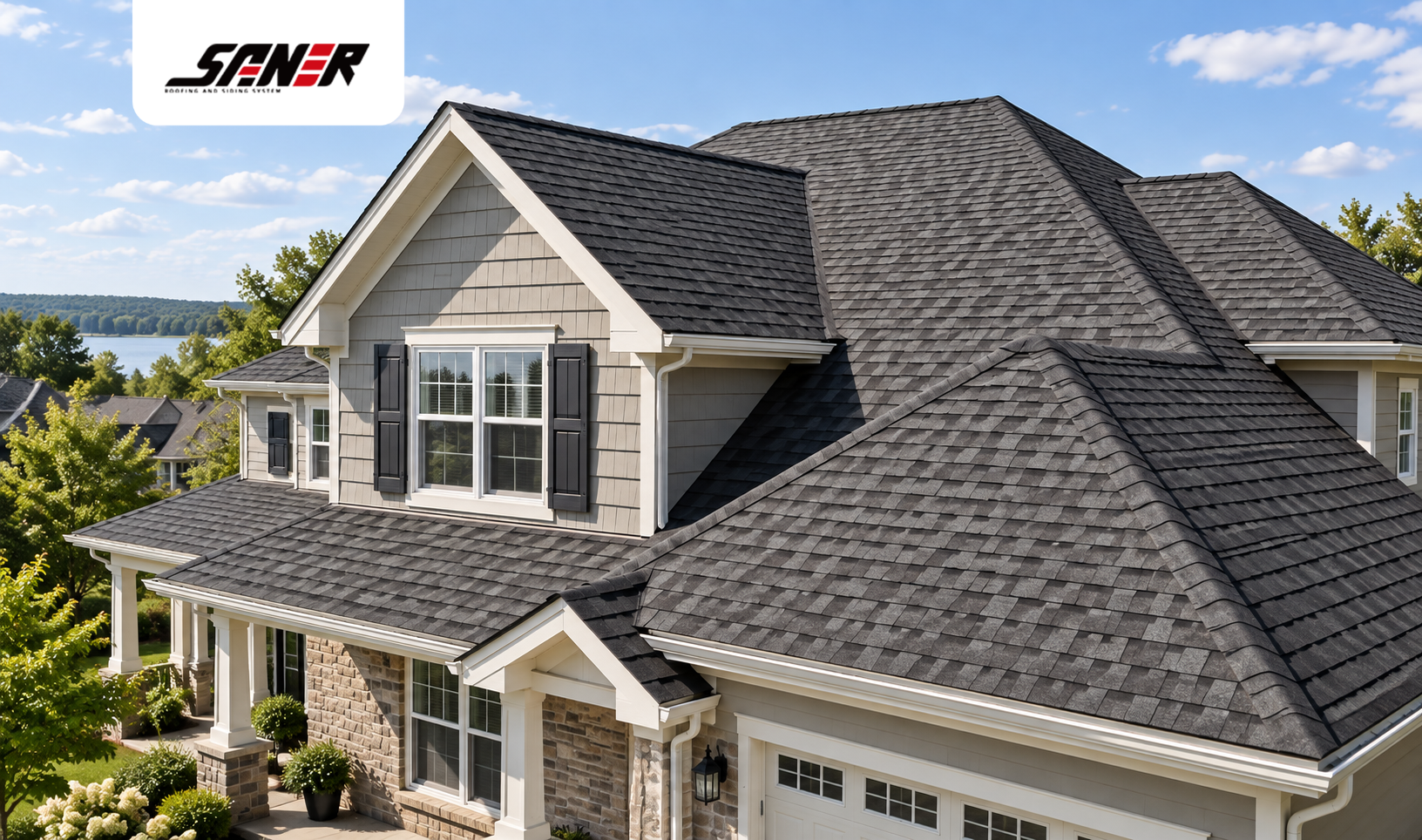
How long do asphalt shingles really last? Learn why climate, ventilation, installation and roof design can make a 30-year reference very different in real life.

2026/09/09
New U.S. tariffs on selected Canadian building materials are changing sourcing decisions. See what this means for distributors, importers and global suppliers.

2026/09/03
The SANER team recently enjoyed a team-building night with dinner and karaoke, bringing colleagues together outside the workplace for a relaxed evening.
2026/09/01
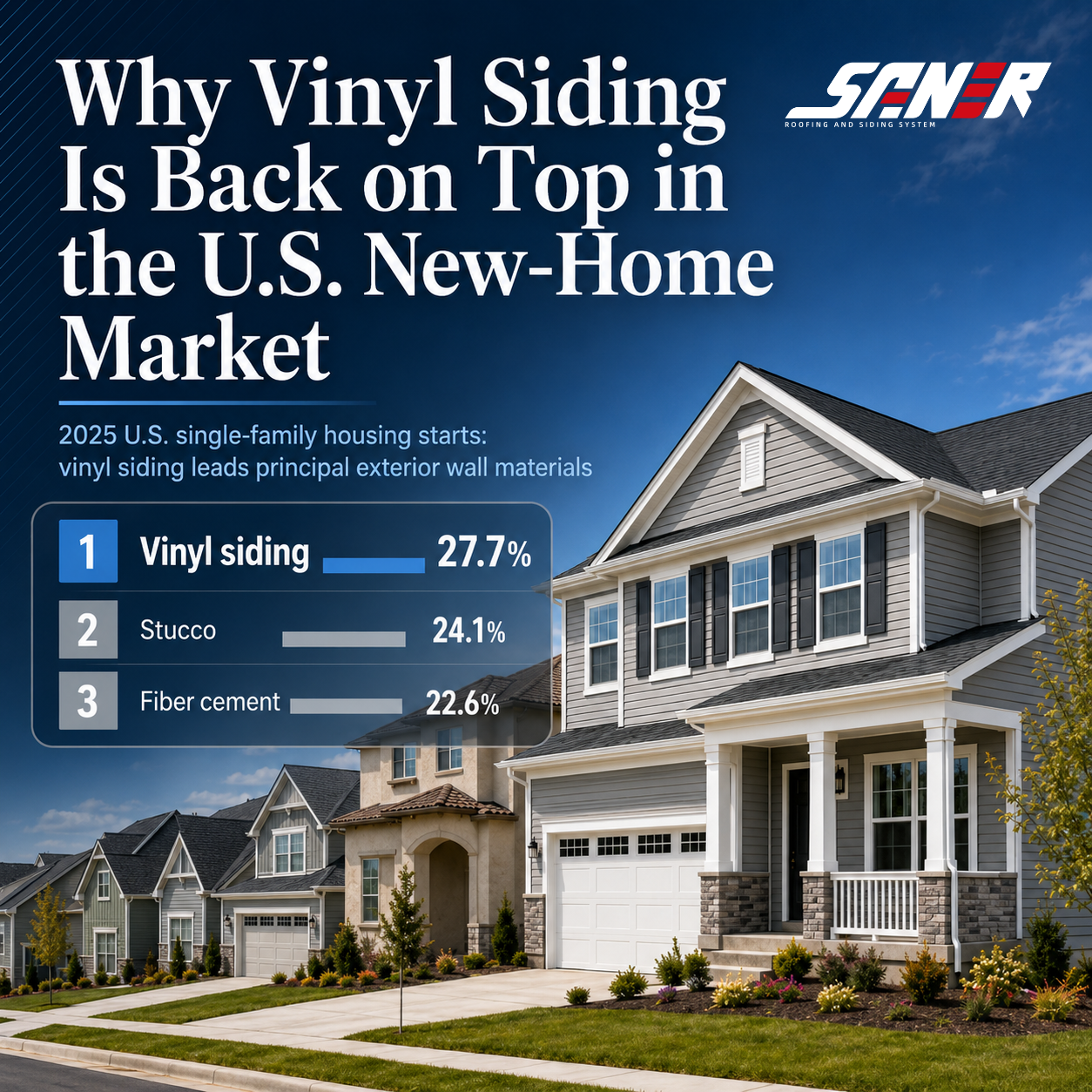
Vinyl siding accounted for 27.7% of U.S. single-family homes started in 2025. Discover why cost, installation efficiency and regional demand are driving its return in 2026.

2026/08/26
Indian customer visits Saner factory in China to explore roofing materials, production capabilities, quality control and future cooperation.
2026/09/01
Discover key insights on roofing shingles from SANER, including benefits, pricing, and performance tips.
