 EN
EN

Asphalt Shingle Lifespan: What Really Determines How Long a Roof Lasts?
2026/09/17
How long do asphalt shingles really last? Learn why climate, ventilation, installation and roof design can make a 30-year reference very different in real life.
2026/09/01
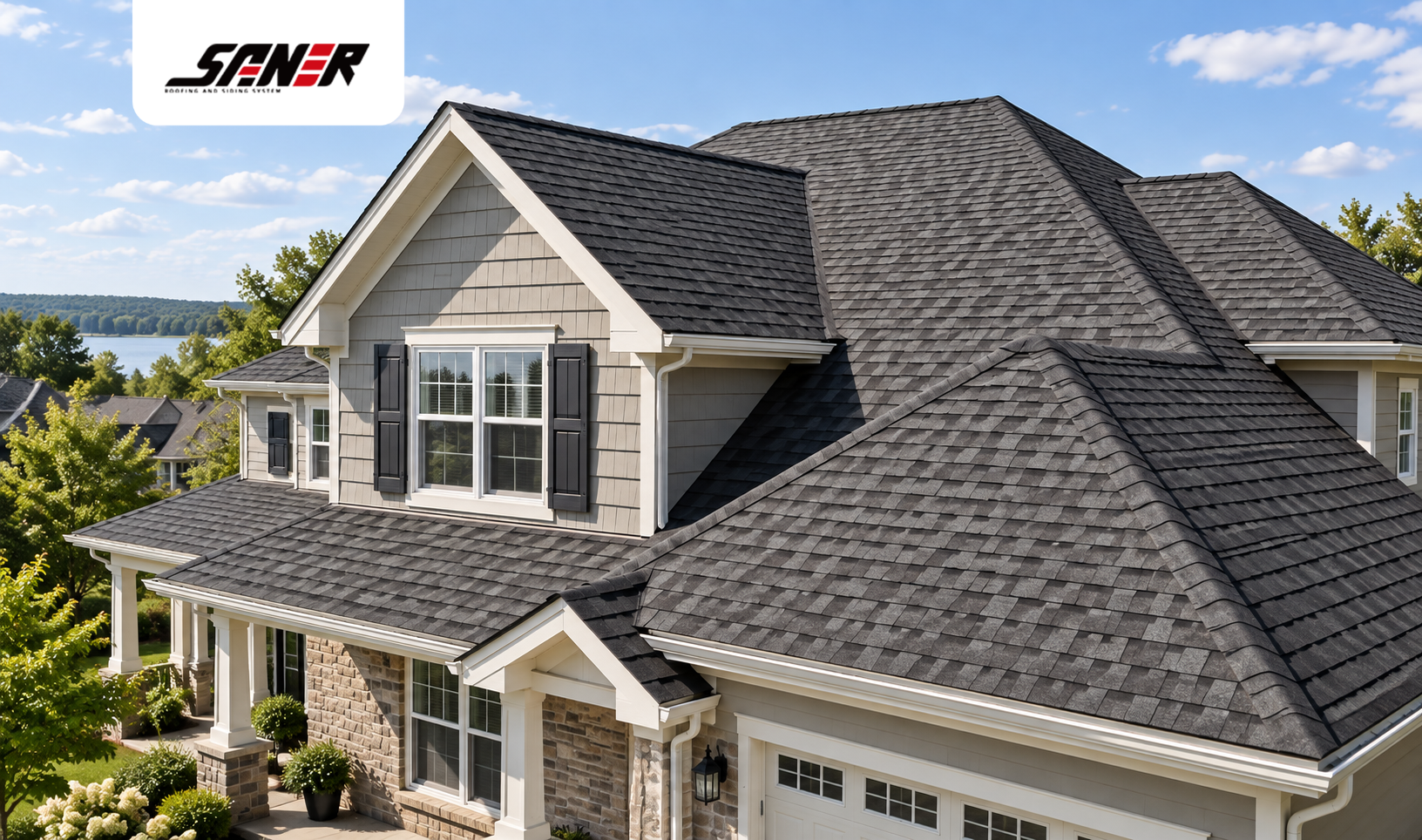
Laminated shingles are a popular choice for roofing because they offer durability, attractive designs, and strong protection against different weather conditions. These shingles are thicker and contain multiple layers, giving them added strength compared with basic roofing shingles. This construction helps them stay securely attached to the roof when strong winds occur. SANER offers architectural shingles designed to provide reliable performance in demanding weather conditions. Understanding their construction and benefits can help homeowners, contractors, and buyers make better roofing decisions.
Architectural shingles are constructed differently from traditional three-tab shingles. They typically contain multiple layers, making them thicker and heavier. This added structure can help improve their resistance to wind uplift when they are properly installed with the correct fastening methods. The way shingles are installed is also important. Strong winds can get underneath poorly secured roofing materials and create lifting forces. Properly positioned nails, suitable roofing underlayment, and correct installation techniques can help reduce the risk of shingles becoming loose during severe weather. Architectural shingles can provide additional protection because of their heavier construction and dimensional profile.
The shape and profile of architectural shingles can also contribute to their performance. Their layered appearance creates a more substantial roofing surface and can give a home a distinctive appearance. Some products are designed and tested to withstand high wind speeds, but the exact wind rating depends on the specific product, installation method, and applicable testing standard. SANER's architectural asphalt laminated shingles are available in different colors and styles, allowing buyers to balance appearance with performance. For homeowners living in areas that regularly experience strong storms, selecting shingles with an appropriate wind-resistance rating can be an important part of building a more durable roofing system.
Finding the right architectural shingles requires more than simply looking for the lowest price. Buyers should consider product quality, wind ratings, installation requirements, warranty terms, availability, and overall value. For contractors and distributors purchasing large quantities, wholesale purchasing can also make it easier to manage material costs for larger roofing projects. SANER provides architectural shingles for buyers looking for durable roofing solutions. Wholesale customers can compare different product styles and specifications to determine which option best fits their project. Before ordering, it is useful to calculate the total roof area and include additional material for cutting, overlaps, and future repairs.
Buyers should also confirm the specific wind-resistance rating of the product they intend to purchase. Not every architectural shingle has the same performance rating. Checking the manufacturer's technical information can help ensure that the selected laminated architectural shingle are appropriate for the local climate and project requirements. Installation quality is equally important. Even high-quality may not perform as expected if they are installed incorrectly. Contractors should follow the manufacturer's installation instructions and use the appropriate number and placement of fasteners. Proper installation helps the roofing system achieve its intended performance. Whether you are a contractor, distributor, or homeowner, working with a dependable supplier can make the purchasing process easier. SANER can help buyers evaluate available roofing options and select products based on their project requirements.
When it comes to roofing, not all shingles are made the same way. Architectural shingles are a specialized roofing option that can provide advantages over traditional three-tab shingles, particularly in durability and appearance. They are generally constructed with multiple layers, which makes them thicker and heavier than many standard shingles. The additional material can help architectural shingles provide a more substantial roofing surface. Their dimensional design can also give roofs a more textured and attractive appearance. Traditional three-tab shingles, by comparison, typically have a flatter profile and a more uniform appearance.
Wind resistance, however, does not depend only on the type of shingle. The quality of installation, fastening pattern, roof design, roof slope, and environmental conditions can all influence how well a roof performs during strong winds. For this reason, homeowners should consider the complete roofing system rather than focusing on the shingle material alone. If you live in an area where storms and high winds are common, choosing a product with an appropriate tested wind rating can provide additional protection. Architectural shingles from SANER can be considered as part of a roofing system designed for demanding weather conditions.
Strong winds can cause significant damage to roofing systems. When wind gets beneath loose or damaged shingles, it can create uplift that may loosen fasteners or remove shingles entirely. Once part of the roof is exposed, rainwater can enter the underlying structure and cause additional damage. Water intrusion can affect roof decking, insulation, ceilings, walls, and interior furnishings. Repairing these problems can become expensive if they are not discovered quickly. This is why maintaining the roof and addressing damaged or missing shingles as soon as possible is important.
A wind-resistant roofing system can help reduce the likelihood of wind-related damage when the correct products are properly installed. Architectural shingles can be one component of this type of system. Homeowners should also make sure that flashing, underlayment, fasteners, roof edges, and other components are installed correctly. It is also a good idea to inspect the roof after major storms. Look for missing laminated roof shingles, lifted edges, damaged flashing, or visible debris. If you notice significant damage, contacting a qualified roofing professional can help determine whether repairs or replacement are necessary.
Investing in wind-resistant architectural shingles can provide several benefits beyond basic weather protection. One major advantage is durability. Their multilayer construction can provide a strong roofing surface capable of handling various weather conditions when properly installed. Architectural shingles can also improve the appearance of a home. They are available in many colors, textures, and patterns, allowing homeowners to select a style that complements the property's exterior. Some designs can create the appearance of more expensive roofing materials while maintaining the practical benefits of asphalt-based shingles. Another benefit is long-term value. A durable roofing system may require fewer repairs and can help reduce the frequency of premature replacement. Although the initial purchase price may be higher than some basic roofing products, homeowners should consider the expected service life, maintenance requirements, appearance, and weather performance when comparing options.
Wind-resistant roofing can also provide greater peace of mind during storm season. Knowing that the roof has been selected and installed according to appropriate performance requirements can help homeowners feel more confident about their property's protection. For buyers searching for reliable architectural shingles, SANER offers roofing options designed for different project requirements. By comparing wind ratings, materials, installation requirements, appearance, and overall cost, homeowners and contractors can make a more informed decision.
Overall, architectural shingles can be a strong choice for homeowners who want a combination of durability, attractive design, and weather resistance. Choosing the right product is only one part of the process, however. Proper installation and regular maintenance are essential for achieving dependable roofing performance, especially in areas that experience strong winds and severe storms.
2026/09/17
How long do asphalt shingles really last? Learn why climate, ventilation, installation and roof design can make a 30-year reference very different in real life.

2026/09/09
New U.S. tariffs on selected Canadian building materials are changing sourcing decisions. See what this means for distributors, importers and global suppliers.

2026/09/03
The SANER team recently enjoyed a team-building night with dinner and karaoke, bringing colleagues together outside the workplace for a relaxed evening.
2026/09/01
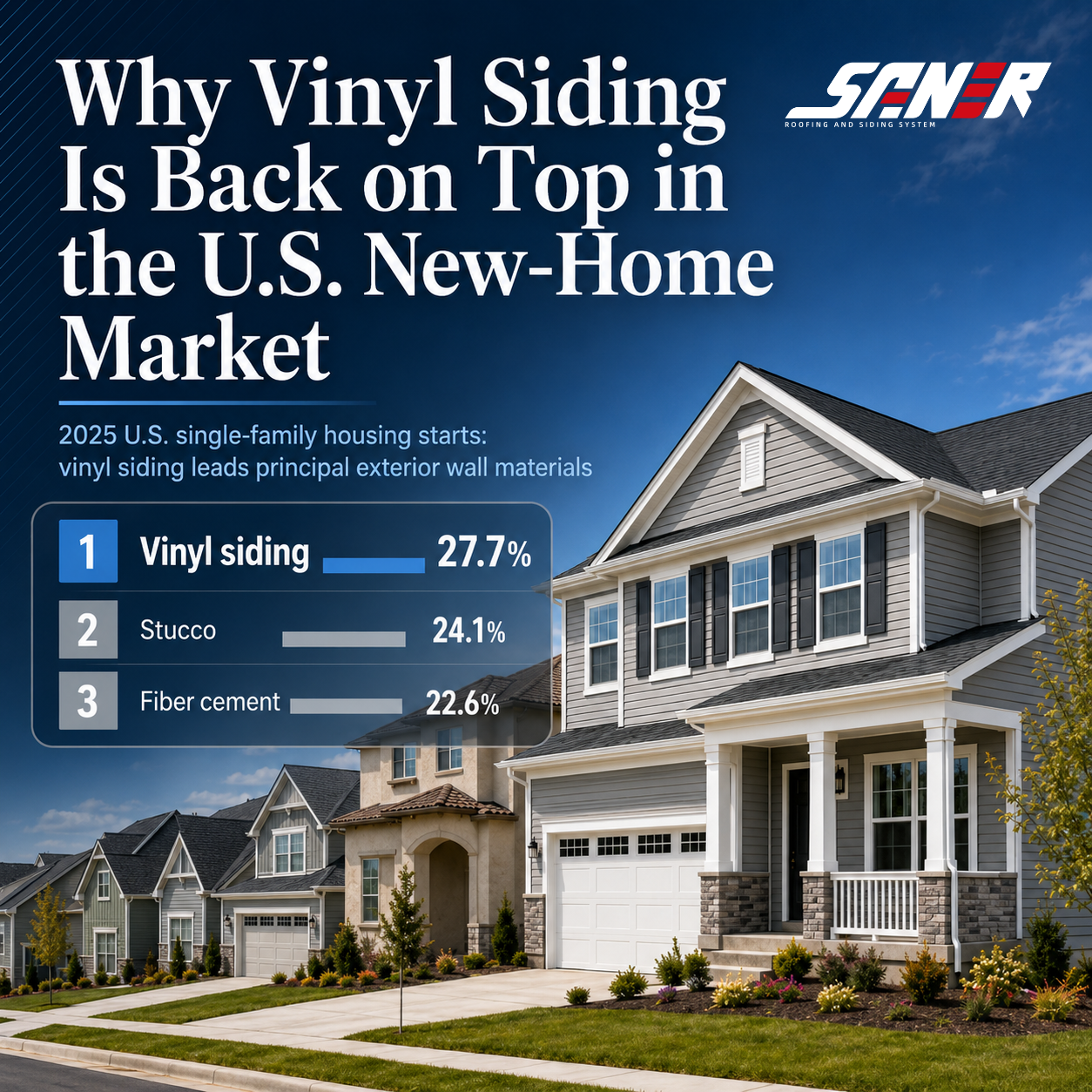
Vinyl siding accounted for 27.7% of U.S. single-family homes started in 2025. Discover why cost, installation efficiency and regional demand are driving its return in 2026.

2026/08/26
Indian customer visits Saner factory in China to explore roofing materials, production capabilities, quality control and future cooperation.
2026/09/01
Discover key insights on roofing shingles from SANER, including benefits, pricing, and performance tips.
