 EN
EN
Asphalt Shingle Lifespan: What Really Determines How Long a Roof Lasts?
2026/09/17
How long do asphalt shingles really last? Learn why climate, ventilation, installation and roof design can make a 30-year reference very different in real life.
2026/09/01
Fiber cement siding is a building material designed to protect homes from the elements. It is made from a mix of cement, sand, and cellulose fibers. This strong mixture makes the siding resistant to moisture, which is very important in places where it rains a lot or where humidity is high. Many homeowners like using fiber cement siding because it looks great, lasts a long time, and can withstand harsh weather. Our company, SANER, specializes in fiber cement siding, ensuring that it meets the needs of different areas and climates. We understand that moisture can cause problems like mold and wood rot, so we focus on creating products that keep homes safe and dry
Fiber cement siding is a smart choice for homes in places where it rains or snows a lot. Unlike wood, which can soak up water and swell, fiber cement does not absorb moisture. This is because it is made from materials that resist water. If you live in a region with high humidity or heavy rainfall, fiber cement siding can help keep your home safe. It doesn't warp or crack easily, so it stays looking nice for a long time. For example, in regions like the Pacific Northwest, where it rains often, fiber cement siding can help prevent problems like mold. The siding is also fire-resistant, which is another great feature. In areas that face wildfires, this can offer homeowners peace of mind. When choosing siding, it is important to think about the weather in your area. With SANER's fiber cement siding, homeowners can be confident they are making a choice that protects their investment. Plus, fiber cement comes in many styles and colors, so you can choose what looks best for your home while getting the moisture protection you need
In coastal areas, moisture from the ocean can be a big problem for homes. The salt in the air can also damage some materials. However, fiber cement siding stands strong against these challenges. It does not rust or corrode, making it a great choice for homes near the beach. For instance, in places like Florida or California, where humidity is high and storms can come through, fiber cement board can help protect homes from wind and rain. With SANER products, homeowners can feel safe knowing that their siding will not be easily damaged by the salty sea air or heavy storms. The siding is also low-maintenance, meaning it does not need constant care. Just a simple wash now and then keeps it looking fresh. This is important for busy families who want a beautiful home without spending too much time on maintenance. Overall, fiber cement siding is a smart investment for coastal homeowners who want to keep their homes safe from moisture and enjoy the beauty of their surroundings
Fiber cement siding is a great choice for places that get a lot of rain and moisture. One of the best benefits is that it does not rot like wood or get moldy like some other materials. This is very important in wet areas where the weather is usually damp. If you live in a place that rains often, using fiber cement siding means your home will stay strong and last a long time. SANER offers this type of siding, which is made from a mixture of sand, cement, and cellulose fibers. This special mix makes it very tough and able to resist water damage. Another great benefit is that fiber cement siding can look like wood or stone, giving your home a beautiful appearance without the problems that come with those materials
In wet geographic markets, fiber cement siding can also help keep homes safe from pests. Termites and other bugs love to eat wood, but they do not like fiber cement. This means that using fiber cement can help protect your home from these pests, which is another reason it is a smart choice. Additionally, fiber cement siding cost can be painted in many different colors and it holds paint well. This means that homes can look fresh and new for a long time without needing to repaint every few years. In places with a lot of rain, this is a big plus because the paint will not peel or fade quickly. Finally, fiber cement siding is also fire-resistant, which adds an extra layer of safety for homes in wet areas where storms can sometimes lead to fires. All these benefits make fiber cement siding a top choice for people living in wet geographic markets
The climate where you live can really affect how well fiber cement siding works. In wet climates, like places that get a lot of rain or humidity, fiber cement siding shines. It stays strong, even when the weather is bad. Unlike wood siding that can soak up water and start to rot, fiber cement does not absorb moisture. This makes it a good choice for homes in areas with heavy rainfall. Because of its moisture resistance, fiber cement siding can last many years without needing repairs, which saves homeowners money in the long run
However, in very dry or hot climates, fiber cement siding still performs well but in different ways. It does not crack or warp when it gets really hot, which is good for homes in sunny areas. SANER’s fiber cement products are specially made to handle different climates, ensuring that they remain strong and beautiful no matter the weather. Another important thing to remember is that in colder climates, fiber cement siding can handle snow and ice too. It does not freeze or get damaged when temperatures drop. This means that no matter where you live, you can trust fiber cement siding to protect your home. Overall, the climate plays a big role in how fiber cement siding performs, and it is designed to stand up to many different weather conditions
Fiber cement siding is known as one of the best materials for managing moisture in and around homes. The reason for this is its special construction. Made from a mixture of sand, cement, and cellulose fibers, fiber cement siding is built to resist moisture. Unlike wood, which can soak up rainwater, fiber cement does not absorb water. This means that homes with fiber cement siding are less likely to face problems like mold or wood rot. These issues can cause big headaches for homeowners, but with SANER’s fiber cement siding, you can avoid them
Another reason fiber cement siding is great for moisture management is that it allows your home to breathe. This means that while it keeps water out, it also lets any trapped moisture inside your walls escape. This is very important because if moisture gets stuck in your walls, it can lead to damage over time. With fiber cement siding for house, you can have peace of mind knowing that your home is protected. Additionally, fiber cement siding is designed to be low-maintenance. Homeowners do not have to worry about constantly checking for issues like peeling paint or water stains, which can happen with other siding materials
Lastly, SANER’s fiber cement siding comes with warranties that guarantee its quality and performance. This means that if you choose fiber cement siding for your home, you are making a smart investment. You can enjoy the beauty and safety of your home without the worry of moisture problems. In summary, fiber cement siding is a top choice for moisture management because it is strong, breathable, and requires little upkeep. This makes it a smart choice for homeowners looking to keep their homes safe and looking great for many years
2026/09/17
How long do asphalt shingles really last? Learn why climate, ventilation, installation and roof design can make a 30-year reference very different in real life.
2026/09/09
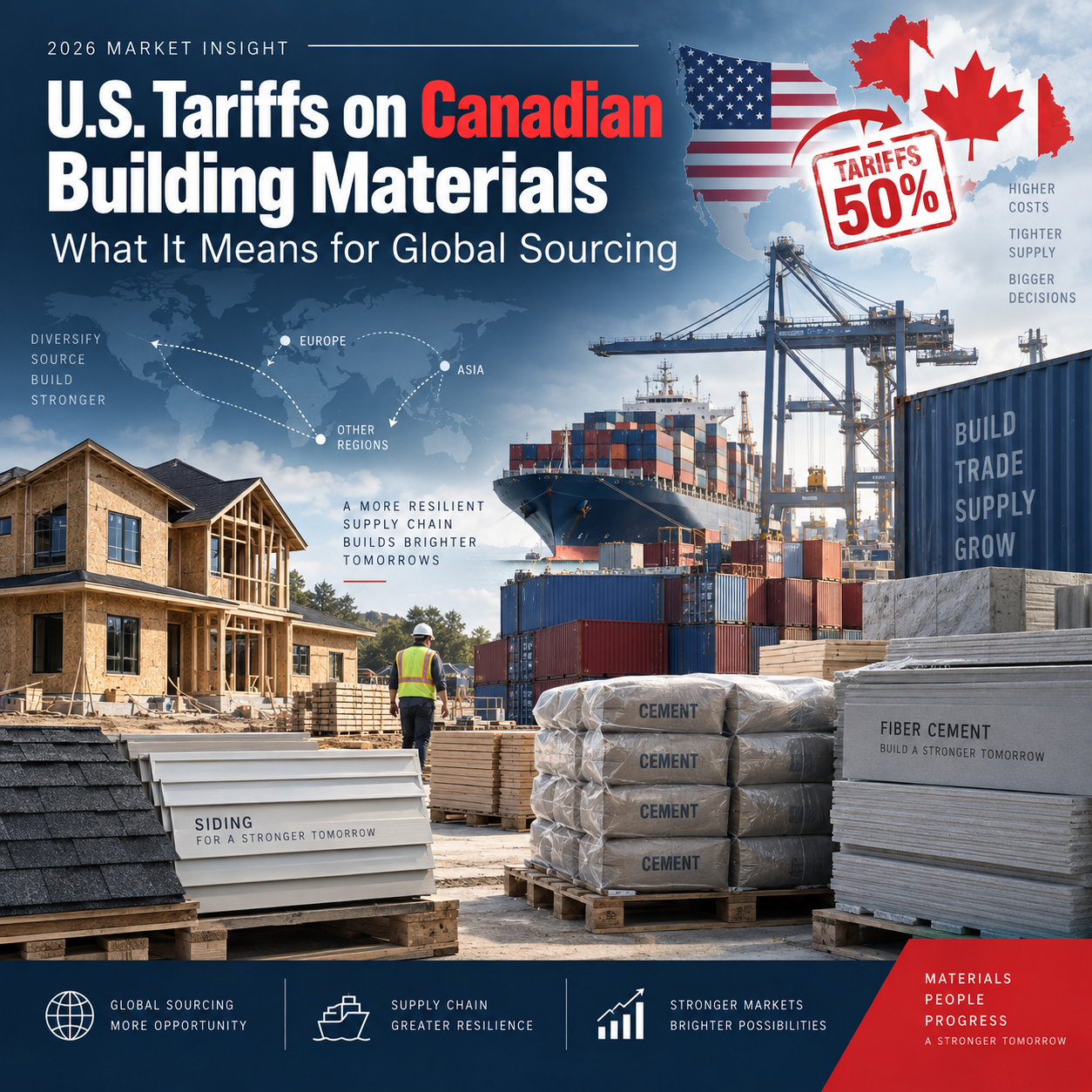
New U.S. tariffs on selected Canadian building materials are changing sourcing decisions. See what this means for distributors, importers and global suppliers.

2026/09/03
The SANER team recently enjoyed a team-building night with dinner and karaoke, bringing colleagues together outside the workplace for a relaxed evening.
2026/09/01
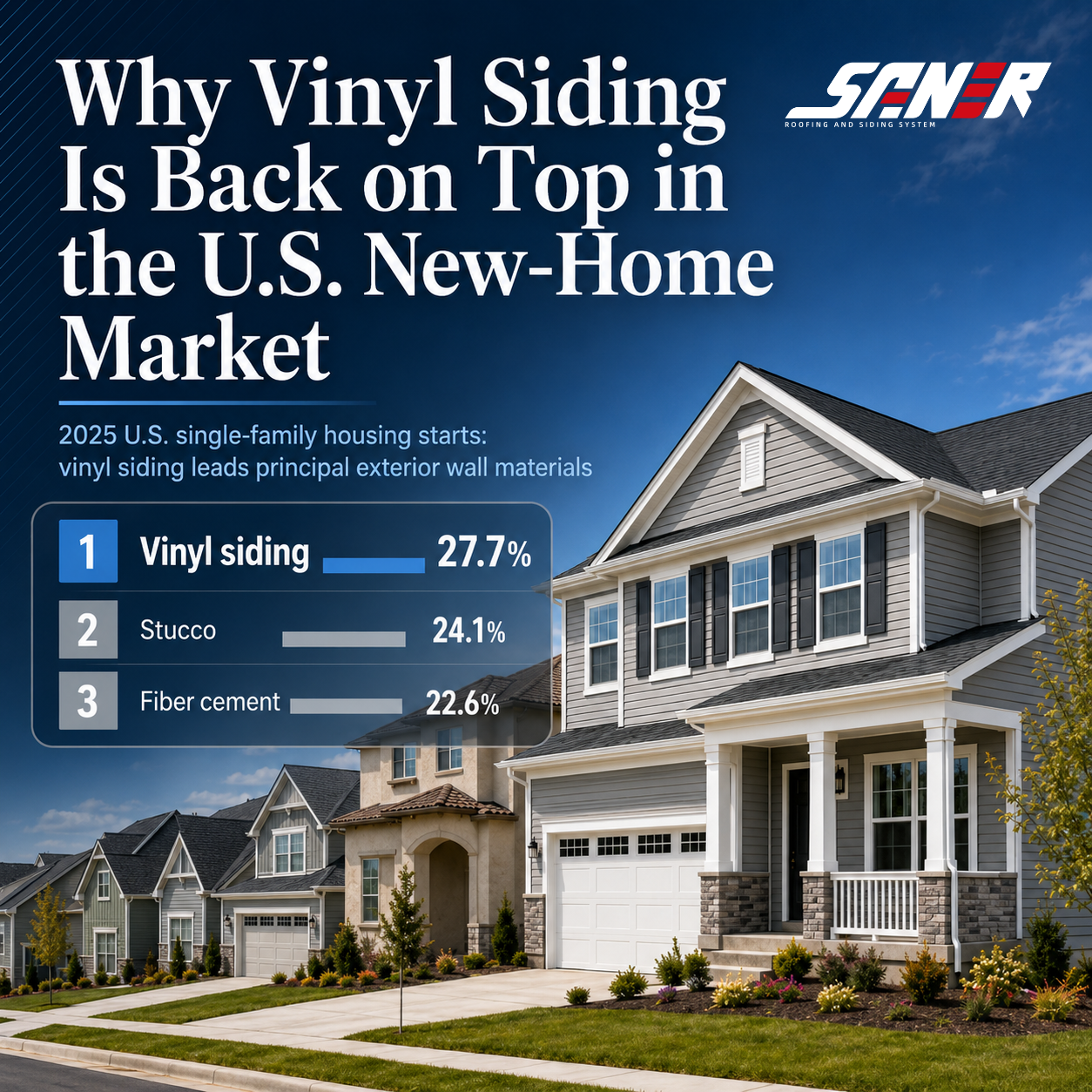
Vinyl siding accounted for 27.7% of U.S. single-family homes started in 2025. Discover why cost, installation efficiency and regional demand are driving its return in 2026.
2026/08/26
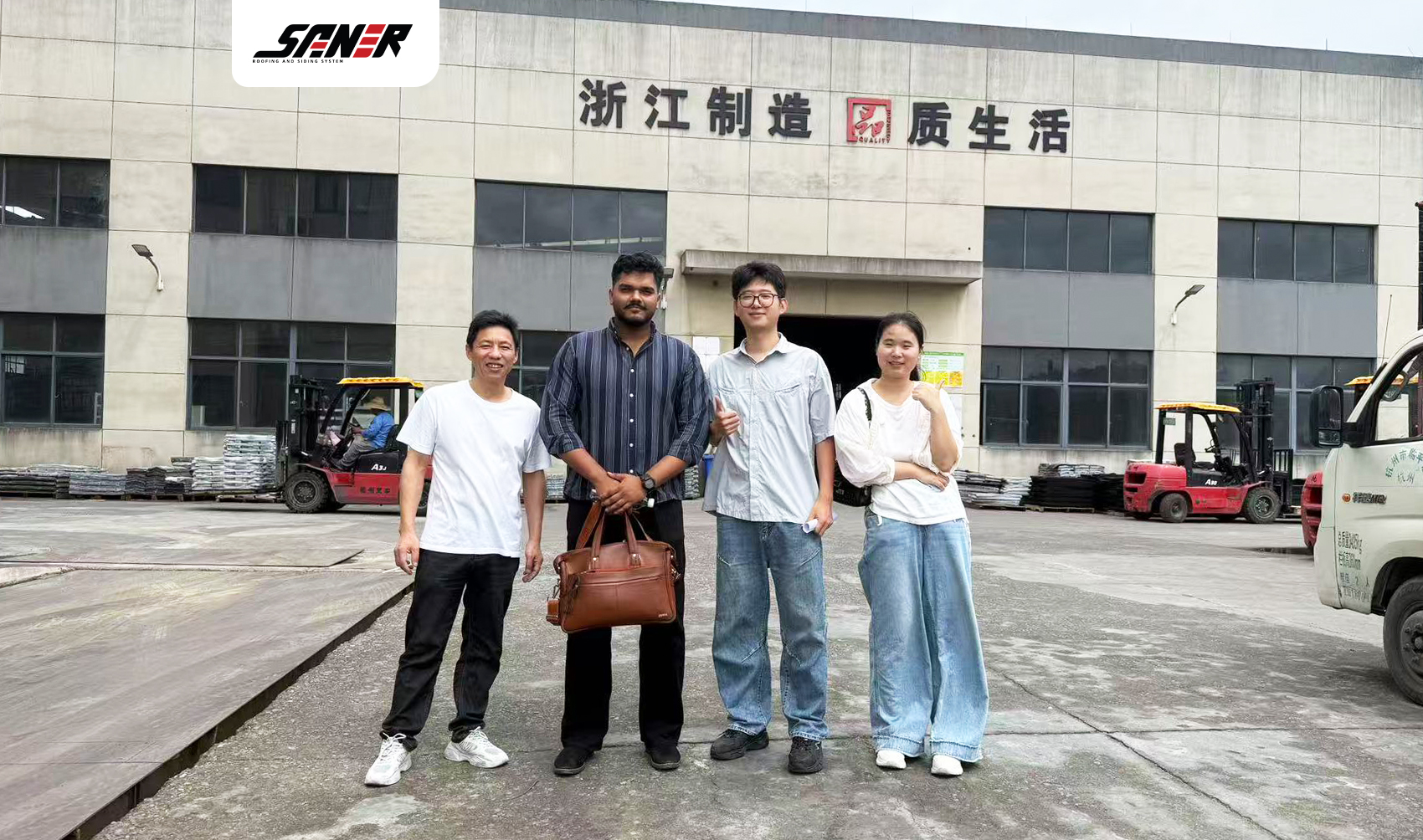
Indian customer visits Saner factory in China to explore roofing materials, production capabilities, quality control and future cooperation.
2026/09/01
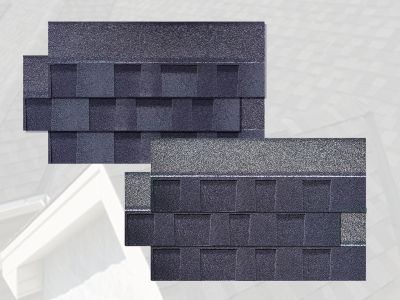
Discover key insights on roofing shingles from SANER, including benefits, pricing, and performance tips.
