 EN
EN
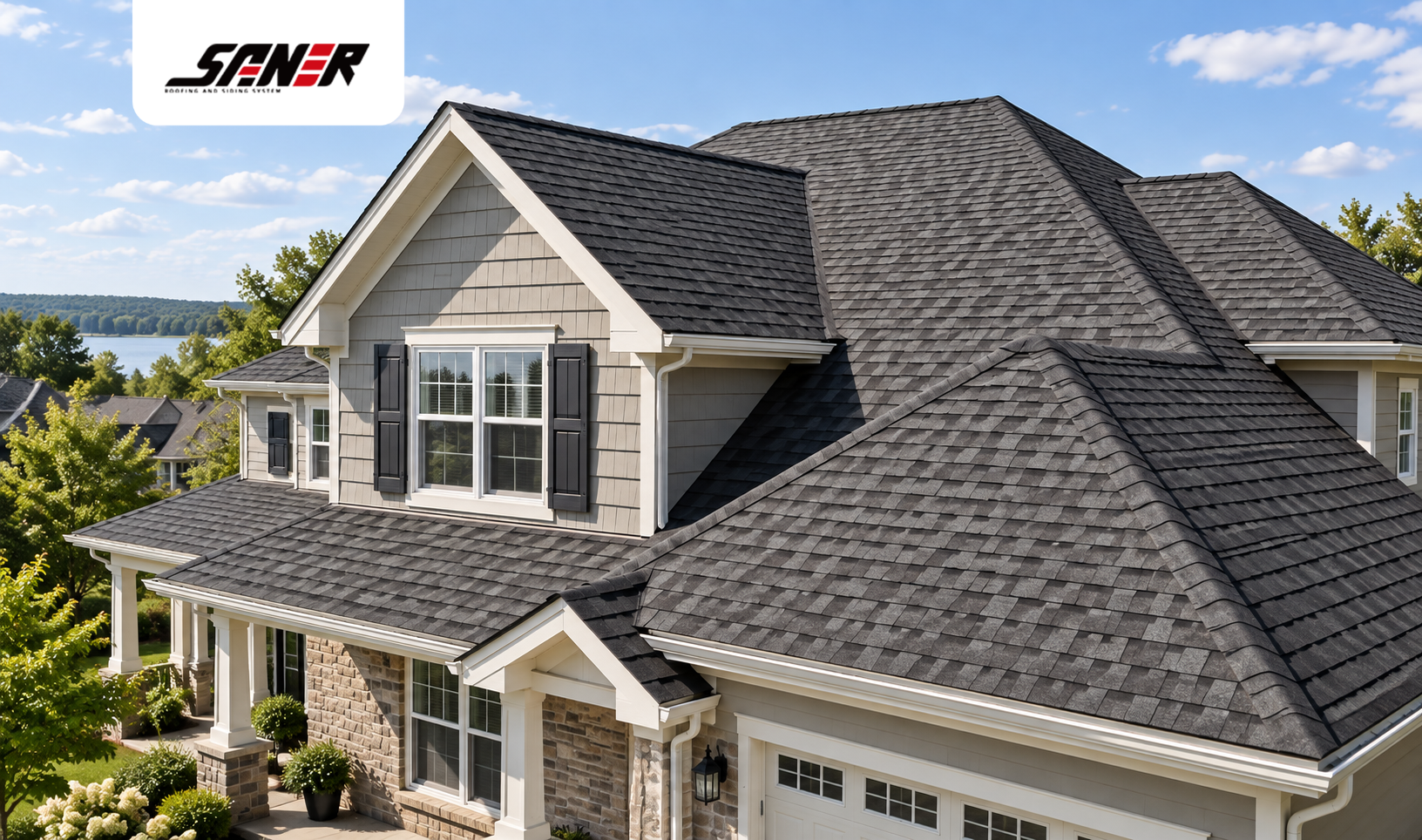
Asphalt Shingle Lifespan: What Really Determines How Long a Roof Lasts?
2026/09/17
How long do asphalt shingles really last? Learn why climate, ventilation, installation and roof design can make a 30-year reference very different in real life.
2026/08/15
Installing fiber cement cladding is an important job that requires careful planning and execution. At SANER, we know how to make sure everything goes smoothly. Fiber cement cladding is popular because it is strong, durable, and looks great. It can protect buildings from the weather and help them last longer. However, installing it isn't always easy. Contractors need to know the right steps to take. They must be aware of certain requirements and common problems that can happen during installation requirements. This article will help contractor teams understand what they need to do for a successful Fiber Cement Siding installation.
One of the biggest problems during fiber cement cladding installation is improper handling. Fiber cement boards can be heavy and brittle. If they are dropped or mishandled, they can crack or break. To avoid this, teams should always lift the boards carefully and use proper lifting techniques. Another issue is incorrect cutting. If the boards are not cut right, they won’t fit together properly. Contractors should use sharp blades and measure twice before cutting. It’s also important to wear safety gear, like goggles and gloves, to prevent injuries. Weather can also cause problems. If it's too wet or too cold, the adhesive may not stick well. Contractors should check the weather forecast and plan the installation for dry days. Finally, some teams forget to allow for expansion and contraction of the material. Fiber cement can expand when it gets hot and contract when it cools down. To avoid this, teams should leave a small gap between the boards and the edges of the building. This way, there will be room for movement. Following these tips will help contractor onsite teams avoid common issues and make their construction installations successful.
Choosing the right fiber cement cladding is crucial for any project. First, teams need to think about the building’s location. If the building is in a place with heavy rain, they should pick cladding that is very water-resistant. For areas with lots of sun, UV-resistant options are best. Size also matters. Some projects may need larger panels for quick installation. Others might require smaller pieces for detailed work. Color and texture can change the look of a building, so teams should consider what fits the design best. It’s also smart to check for warranties. A good warranty can protect the investment in case something goes wrong. SANER offers a variety of options that meet these needs. Teams should also consider the budget. Some cladding can be more expensive than others, but it’s important to balance cost with quality. Finally, teams should consult with suppliers to get samples. Seeing the materials in person helps make the right choice. This careful selection will ensure that the project is not only beautiful but also durable and functional.
When looking for quality fiber cement cladding products, it's important to know the best places to buy them. For contractors who need these materials in large amounts, getting them at wholesale prices can save a lot of money. SANER is a great source for these products. They offer a wide range of fiber cement cladding options that are both durable and affordable. It’s a good idea to visit SANER’s website or a local SANER store to see the different styles and colors available. Make sure to check if the products meet local building codes and safety standards. This is very important because it ensures that the cladding will last a long time and keep buildings safe. Another way to source quality fiber cement cladding is to attend building and construction trade shows. These events often have many suppliers who showcase their products, including SANER. This is a chance to talk directly with sales representatives, ask questions, and sometimes even get special discounts. It’s also helpful to read reviews or ask other contractors about their experiences with different products. By doing this, you can find out which fiber cement cladding works best for your projects. Remember, when buying in bulk, always check for warranties or return policies. This can help protect your investment in case the products don’t meet your needs. Overall, sourcing quality fiber cement cladding requires some research, but with SANER, you can find what you need easily and at a good price.
Installing fiber cement cladding can be a tough job, but there are best practices that contractors should follow to make sure everything goes smoothly. First, it’s important to read the manufacturer’s instructions carefully. SANER provides detailed guidelines for their products, which help ensure the cladding is installed correctly. Before starting, workers should prepare the wall surface by making sure it is clean and dry. Any dirt or moisture can cause problems later. Next, it’s essential to use the right tools. For fiber cement cladding, this usually includes a saw, a drill, and a level. Using the right tools helps ensure that the cladding fits well and looks good. When cutting the cladding, always wear safety gear like goggles and masks to protect against dust. After cutting, the cladding should be installed starting from the bottom and working up. This way, each piece overlaps the one below, which helps keep water out. It’s also important to leave gaps between the cladding and the ground to prevent moisture damage. SANER recommends using a sealant around windows and doors to keep out water. Finally, after installation, it’s good to inspect the work. Check for any loose pieces or gaps that may have been missed. Following these best practices not only helps the cladding look great but also ensures it lasts a long time.
Even with the best intentions, mistakes can happen during fiber cement cladding installation. Contractors need to know how to fix these common issues to ensure their work meets the highest standards. One common mistake is not leaving enough space between the cladding and the ground. This can cause water to get trapped and lead to damage. If this happens, the contractor might need to remove the lower pieces of cladding and reinstall them with the correct gap. Another mistake is using the wrong fasteners. SANER suggests using corrosion-resistant screws specifically made for fiber cement. If the wrong fasteners are used, they could rust and weaken the cladding. In this case, the contractor should replace them with the correct screws. Sometimes, cladding pieces may be cut incorrectly, leading to gaps or uneven lines. If this occurs, it’s best to measure carefully and cut new pieces to fit properly. Lastly, not following the manufacturer’s instructions can lead to problems. If instructions are missed, it’s important for contractors to go back and review them. If mistakes are found, they should address them as soon as possible. Fixing issues quickly can save time and money in the long run. Overall, being aware of these common mistakes and knowing how to correct them can help contractors ensure a successful fiber cement cladding installation. This will lead to happy clients and a good reputation for their work.
2026/09/17
How long do asphalt shingles really last? Learn why climate, ventilation, installation and roof design can make a 30-year reference very different in real life.
2026/09/09
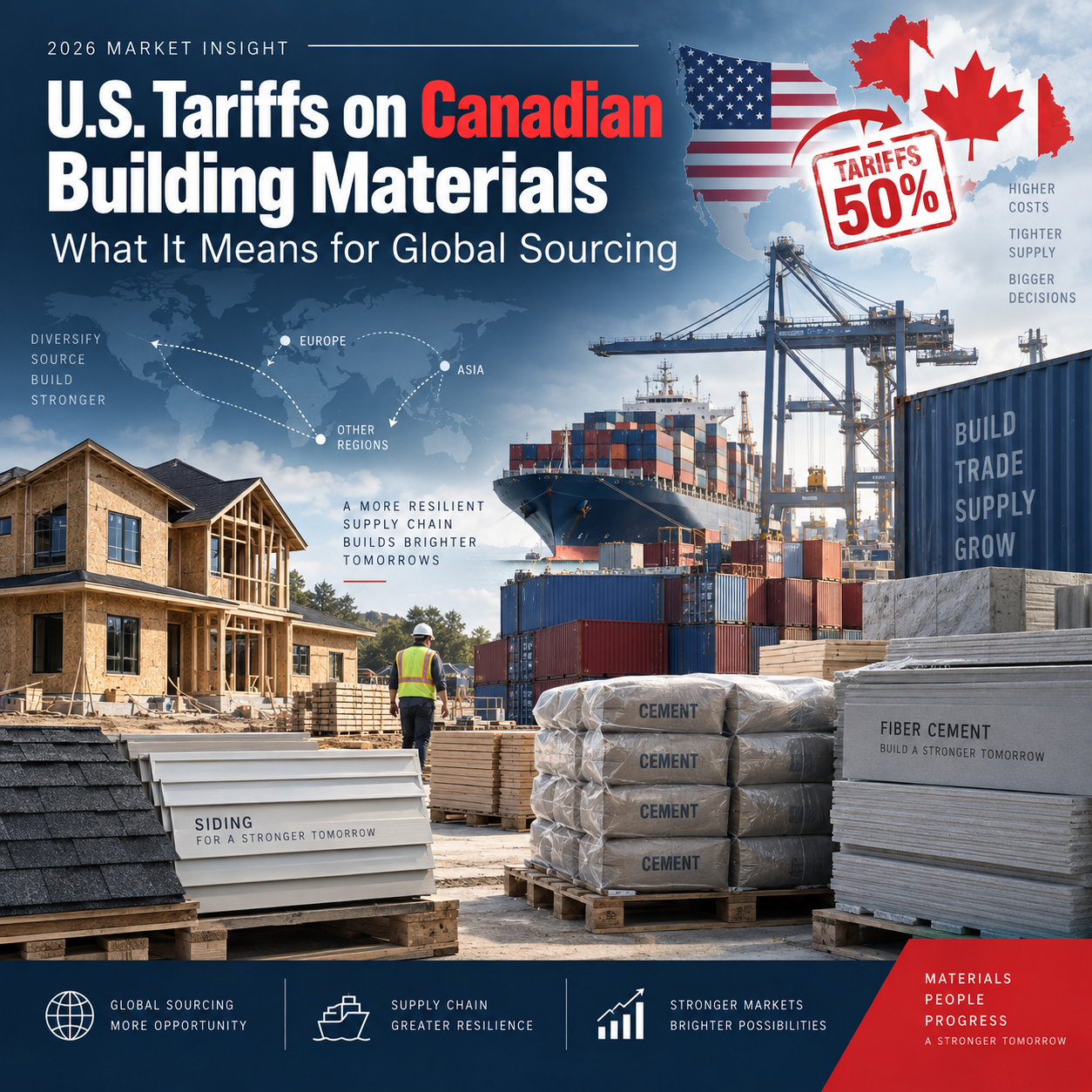
New U.S. tariffs on selected Canadian building materials are changing sourcing decisions. See what this means for distributors, importers and global suppliers.
2026/09/03
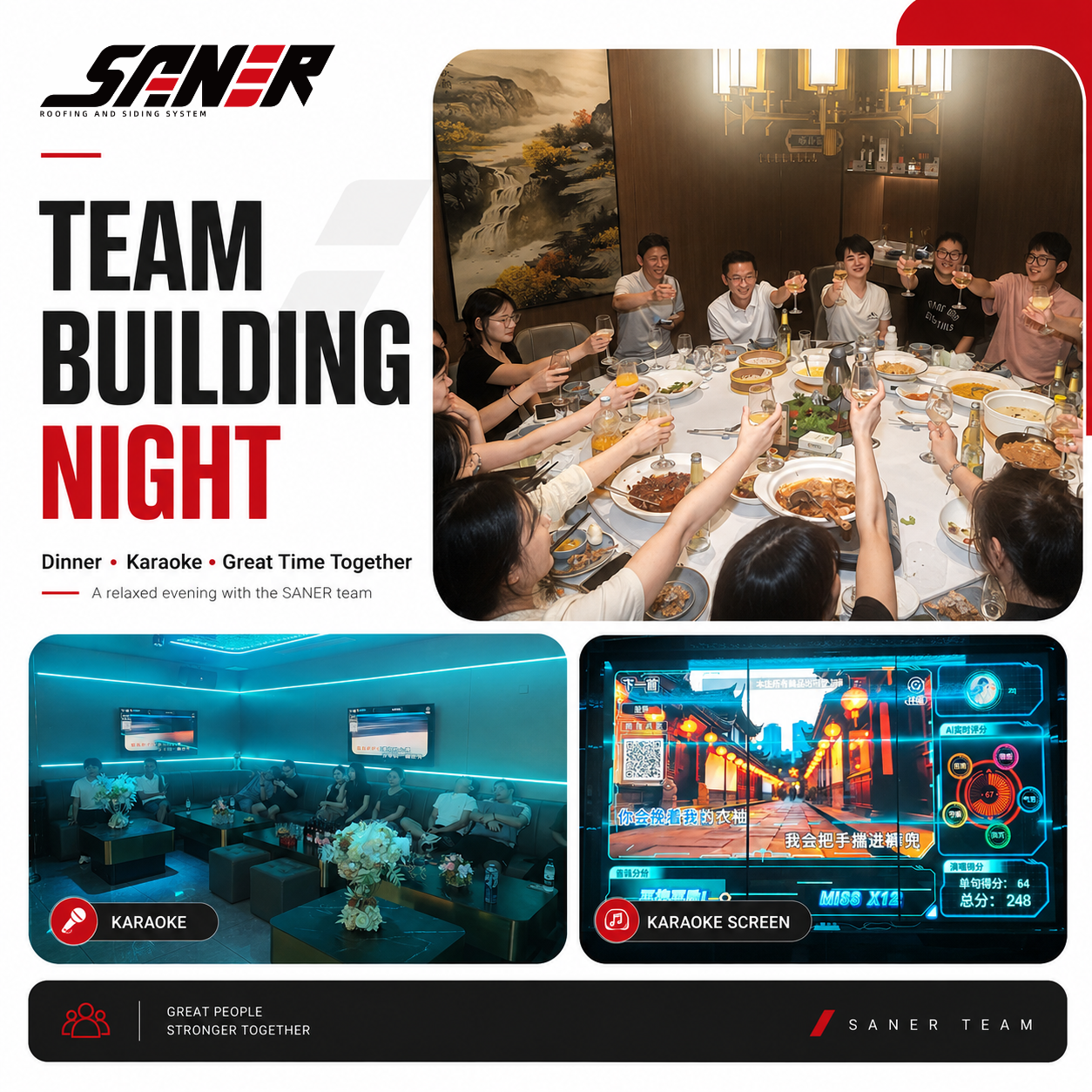
The SANER team recently enjoyed a team-building night with dinner and karaoke, bringing colleagues together outside the workplace for a relaxed evening.
2026/09/01
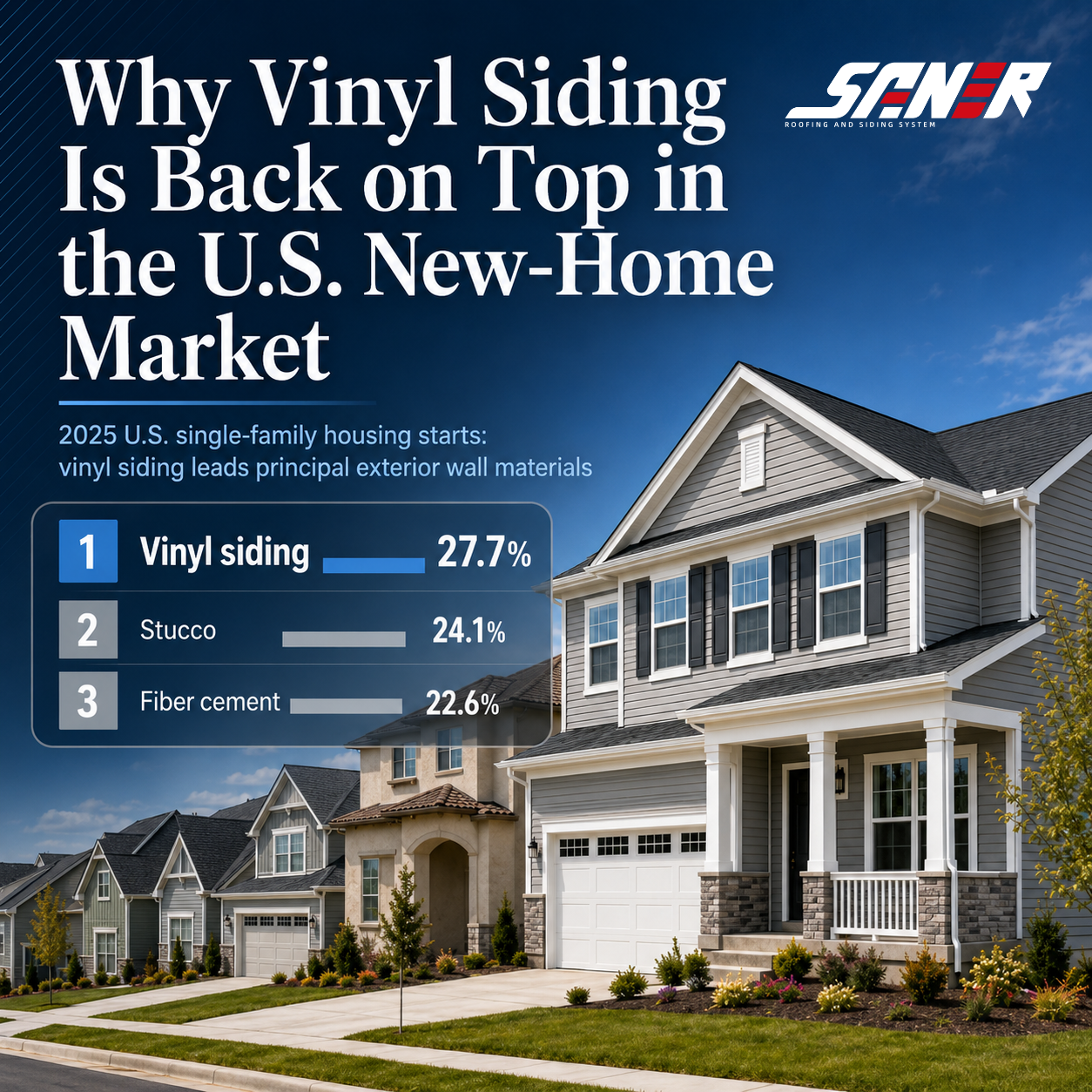
Vinyl siding accounted for 27.7% of U.S. single-family homes started in 2025. Discover why cost, installation efficiency and regional demand are driving its return in 2026.
2026/08/26
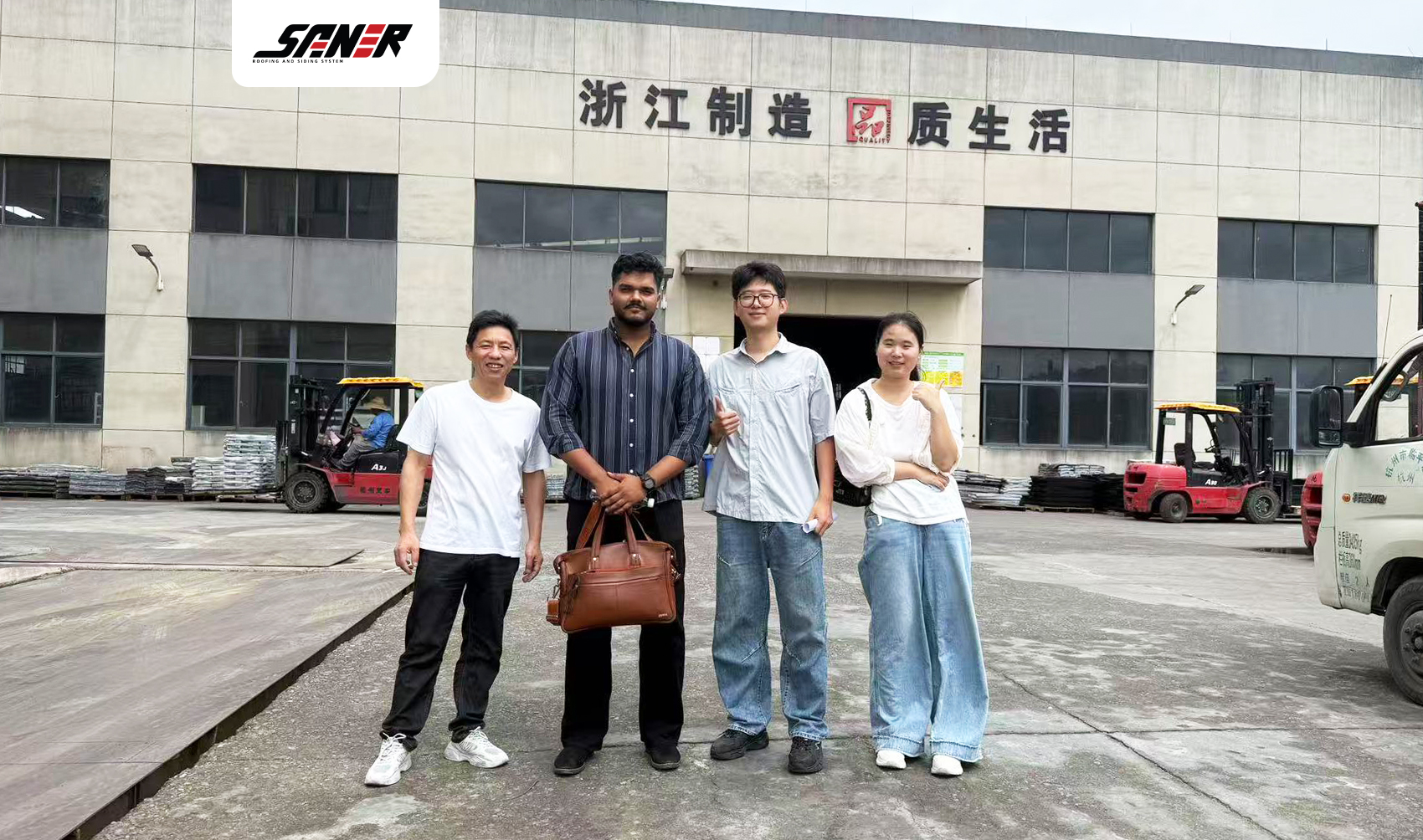
Indian customer visits Saner factory in China to explore roofing materials, production capabilities, quality control and future cooperation.
2026/09/01
Discover key insights on roofing shingles from SANER, including benefits, pricing, and performance tips.
