 EN
EN
Asphalt Shingle Lifespan: What Really Determines How Long a Roof Lasts?
2026/09/17
How long do asphalt shingles really last? Learn why climate, ventilation, installation and roof design can make a 30-year reference very different in real life.
2026/08/28
Cement boards are important materials used in building and construction. They are strong and versatile, making them useful for many applications, including siding for homes. SANER makes high-quality fiber cement boards that are popular among builders and contractors. These boards can help protect houses from harsh weather while also improving their appearance. They are available in different styles and colors, giving homeowners plenty of choices for their projects. In this article, we will discuss why fiber cement siding is a top choice for builders and how to choose the best fiber siding for different project needs.
Fiber cement siding is a popular choice among builders for several reasons. First, it is highly durable. This material can handle harsh weather conditions, including heavy rain, snow, and strong winds. Unlike wood, it does not easily rot, and it is resistant to common pests such as termites. This means homes with fiber cement siding can maintain their appearance and performance for many years with proper installation and maintenance.
Another important advantage is its fire-resistant properties. Fiber cement products are generally more resistant to fire than many traditional siding materials. This can provide an additional layer of protection for buildings. Builders and homeowners can consider this feature when selecting exterior materials for projects where fire performance is an important requirement. fiber cement board siding also offers attractive design options. It can be manufactured with textures and patterns that resemble wood, stone, or brick. This allows homeowners to achieve the appearance they want without dealing with some of the maintenance concerns associated with natural materials. It is also available in different colors and finishes, giving builders more flexibility when designing a home. Low maintenance is another major benefit. Compared with some traditional exterior materials, fiber cement siding does not require frequent repairs. Regular cleaning and inspections can help maintain its appearance. Depending on the specific product and finish, repainting may eventually be required, but proper maintenance can help extend the useful life of the siding. SANER offers fiber cement siding options designed for different construction requirements. By combining durability, attractive appearance, and practical maintenance needs, fiber cement siding can be a valuable choice for residential and commercial building projects.
Choosing the right fiber siding requires careful consideration of the building and its environment. First, think about the type of property. A residential home may have different requirements from a commercial building. The local climate is also important. For example, a building in an area with frequent rain and strong winds may require siding selected for greater exposure to moisture and weather.
The design of the building should also be considered. Fiber cement siding comes in many colors, textures, and patterns, so builders can select an appearance that matches the overall design. You can choose a traditional wood-look finish or a more modern style depending on the project's goals.
Maintenance requirements are another factor. If the property owner wants an exterior that is relatively easy to maintain, fiber cement siding can be a practical option. However, buyers should always review the manufacturer's care and maintenance instructions for the specific product.
Budget is also important. Some siding products may have a higher initial cost, but durability and maintenance requirements should be considered when calculating the long-term value. Instead of looking only at the purchase price, compare the expected service life, installation requirements, maintenance, and potential replacement costs.
It is also helpful to review product specifications and installation instructions before purchasing. Builders can discuss their requirements with suppliers such as SANER to determine which fiber cement siding products are appropriate for their projects. Taking the time to compare options can help ensure that the selected siding meets both functional and aesthetic needs.
Fiber cement boards are building materials commonly made from cement, mineral components, and cellulose fibers. They are used in different construction applications, including exterior siding. One of their main advantages is strength. When properly manufactured and installed, fiber cement boards can withstand many common outdoor conditions, such as rain, wind, and temperature changes.
Another benefit is their resistance to common pests. Unlike some wood products, fiber cement does not provide the same food source for termites and other wood-damaging insects. This can make it a useful choice for exterior construction.
Fiber cement boards also provide design flexibility. They are available in different colors, textures, and surface patterns, allowing builders to create different architectural styles. Whether the project has a modern, traditional, or contemporary design, there are fiber cement options that can complement the overall appearance.
Fire performance is another feature that makes fiber cement products attractive for many construction projects. However, the actual fire rating depends on the specific product and installation system, so builders should always check the manufacturer's technical information and applicable building codes.
For contractors working on large projects, wholesale purchasing can also be beneficial. Buying fibre cement boarding in larger quantities may help reduce the unit cost. However, buyers should consider shipping, storage, installation, and product quality when calculating the overall project budget.
SANER provides fiber cement products for different construction requirements. Before ordering, contractors should estimate the required quantity carefully and confirm the product specifications to avoid unnecessary material shortages or excess inventory.
There are several misconceptions about fiber cement boards that can make buyers unsure about using them. One common belief is that fiber cement boards are too heavy and difficult to install. They can be heavier than some other siding materials, but they are designed for construction use and can be cut and installed with appropriate tools and techniques. Proper handling and installation procedures are important for both worker safety and product performance. Another misconception is that fiber cement boards only work with certain architectural styles. In reality, they are available in many textures, patterns, and colors. This makes them suitable for a wide variety of residential and commercial designs.
Some people also believe that fiber cement boards require extensive maintenance. While all exterior materials require some level of care, fiber cement siding is generally considered a relatively low-maintenance option. Regular inspection and cleaning can help keep the exterior in good condition. Painted products may eventually require repainting depending on the finish, climate, and exposure.
There is also a misconception that fiber cement boards cannot be used in environmentally conscious construction. The environmental impact of a building material depends on factors such as its ingredients, manufacturing process, transportation, service life, and disposal. Because fiber cement products can have a long service life, they may help reduce the frequency of replacement when properly installed and maintained.
Understanding the actual characteristics of fiber cement board factory can help builders and homeowners make better decisions. With the right product, installation method, and maintenance plan, fiber cement siding can provide a durable and attractive exterior for many types of buildings. SANER fiber cement products can be considered by buyers looking for practical siding solutions for their construction projects.
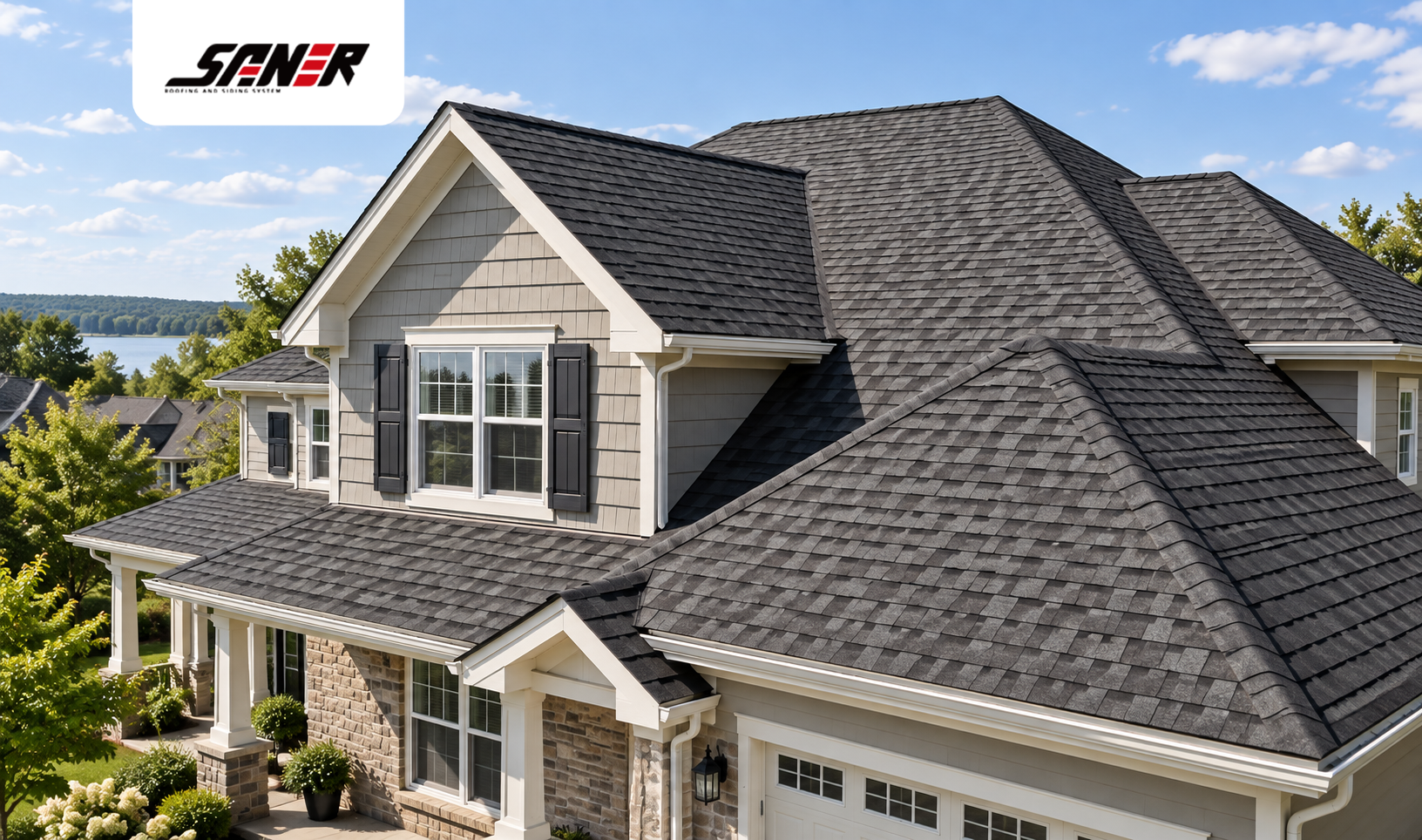
2026/09/17
How long do asphalt shingles really last? Learn why climate, ventilation, installation and roof design can make a 30-year reference very different in real life.
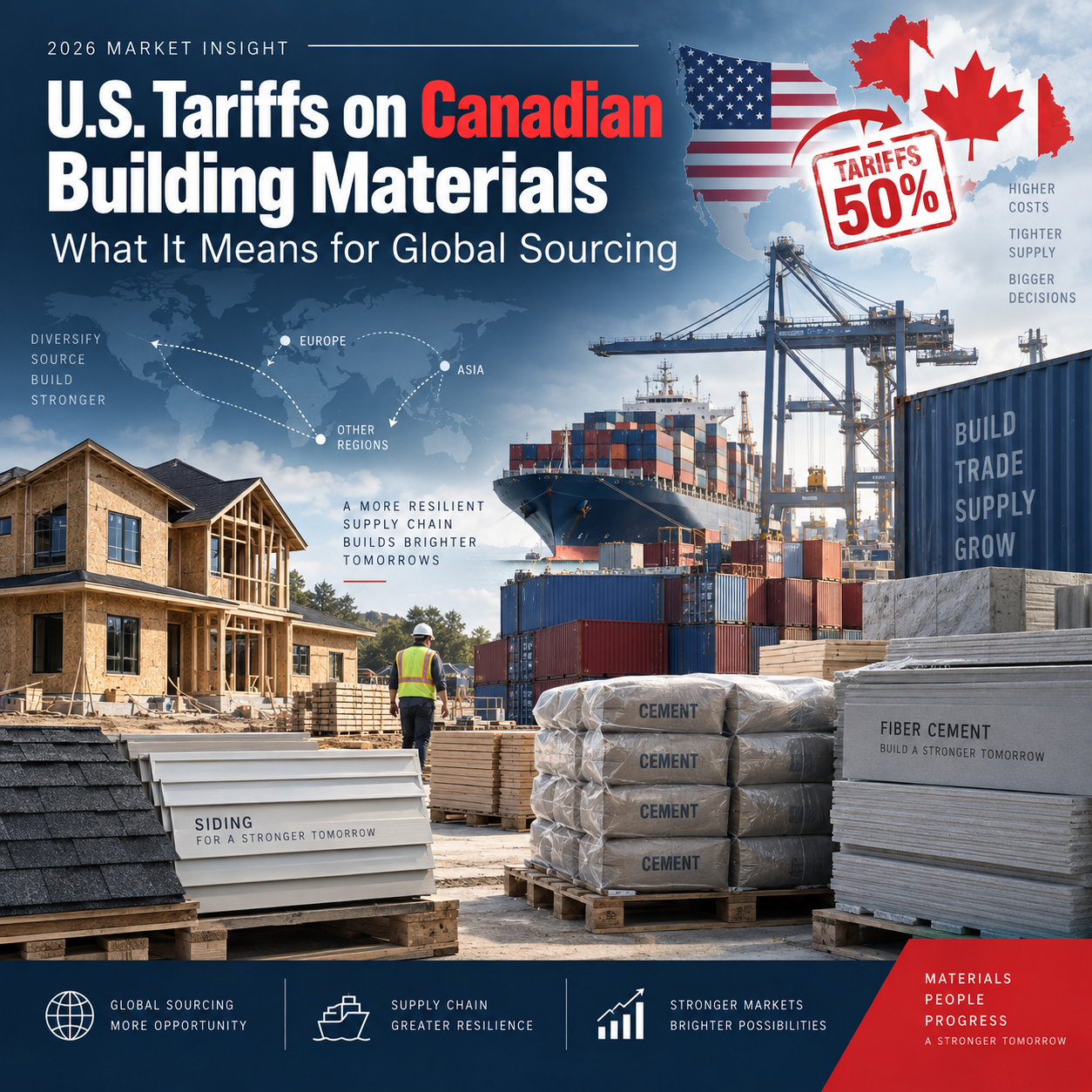
2026/09/09
New U.S. tariffs on selected Canadian building materials are changing sourcing decisions. See what this means for distributors, importers and global suppliers.
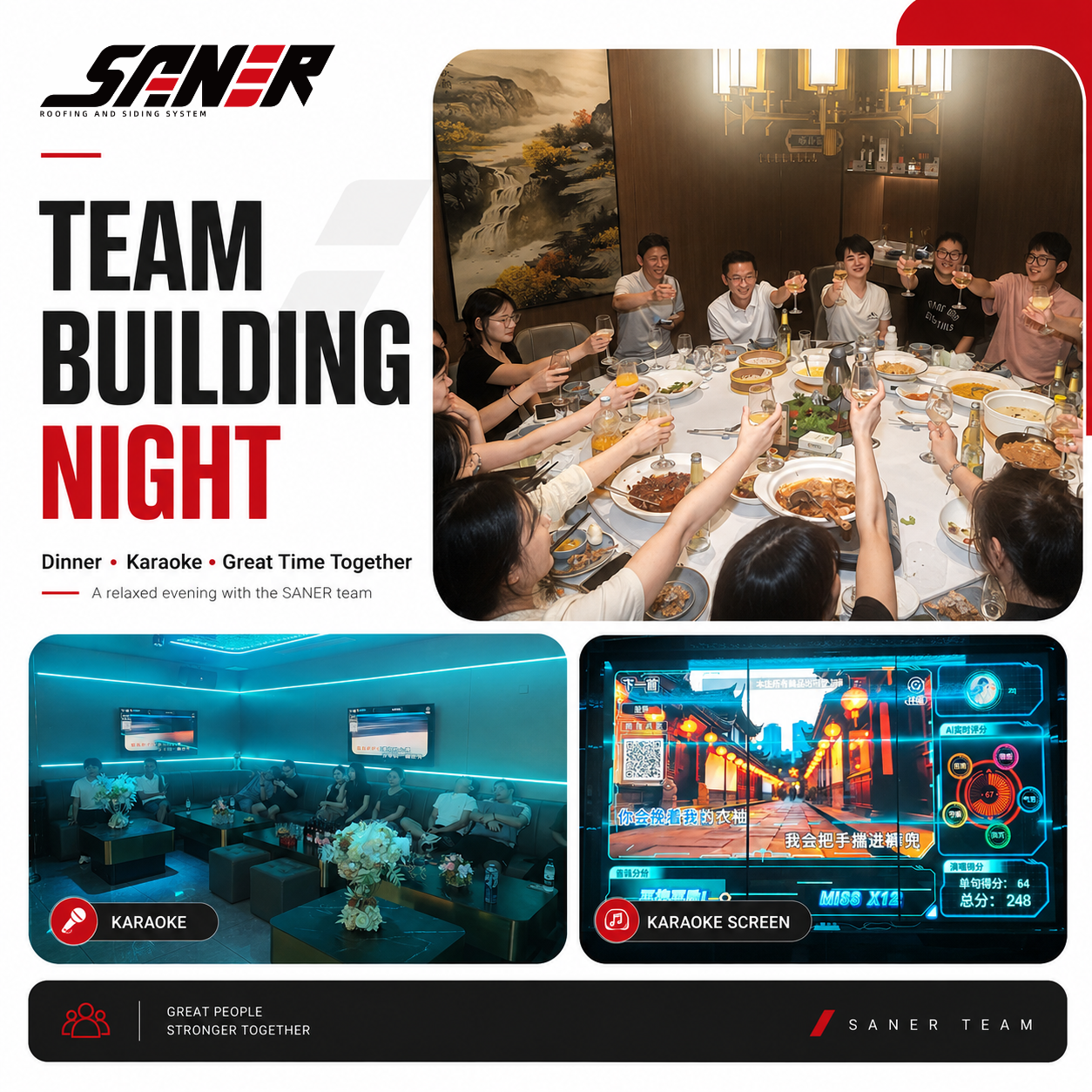
2026/09/03
The SANER team recently enjoyed a team-building night with dinner and karaoke, bringing colleagues together outside the workplace for a relaxed evening.
2026/09/01
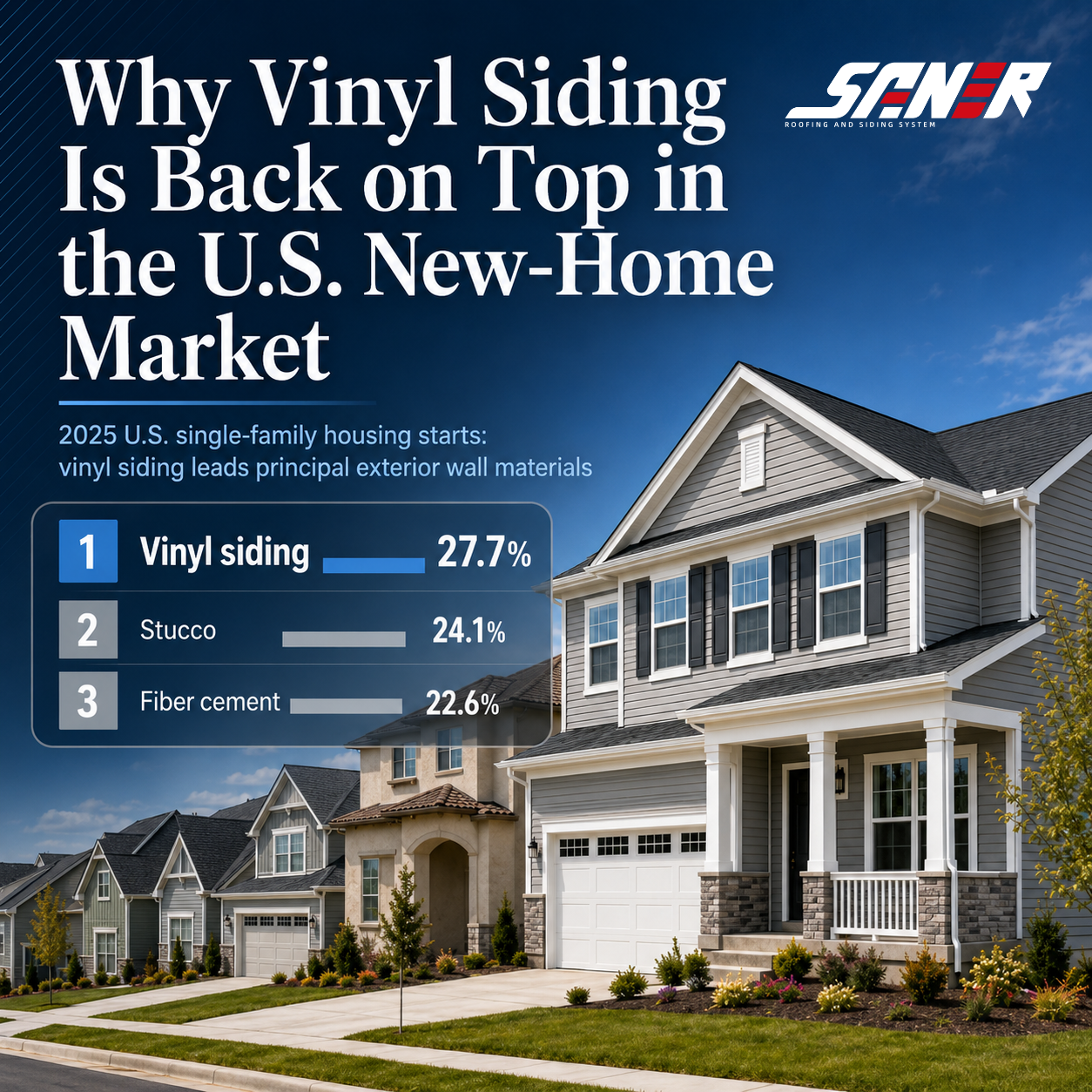
Vinyl siding accounted for 27.7% of U.S. single-family homes started in 2025. Discover why cost, installation efficiency and regional demand are driving its return in 2026.
2026/08/26
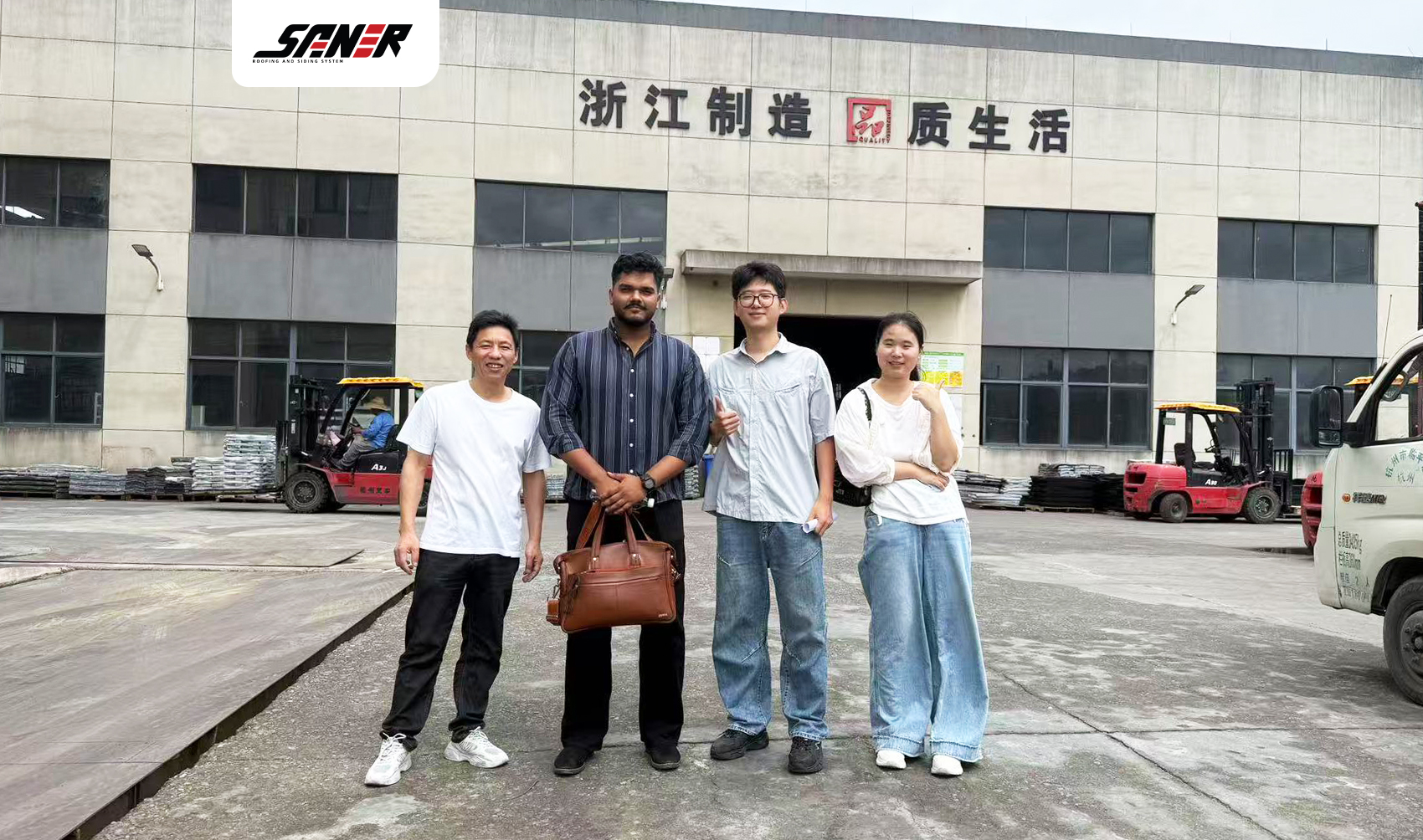
Indian customer visits Saner factory in China to explore roofing materials, production capabilities, quality control and future cooperation.
2026/09/01
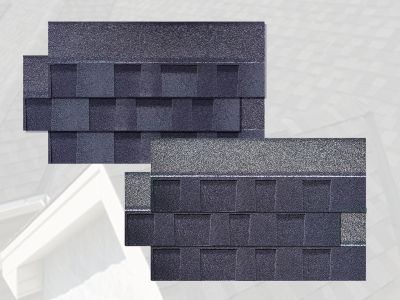
Discover key insights on roofing shingles from SANER, including benefits, pricing, and performance tips.
