High-Quality Outer Wall Cladding Solutions

outer wall cladding

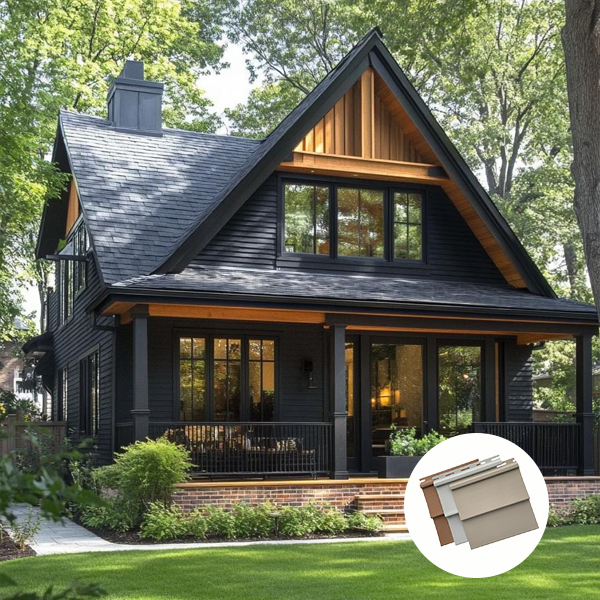
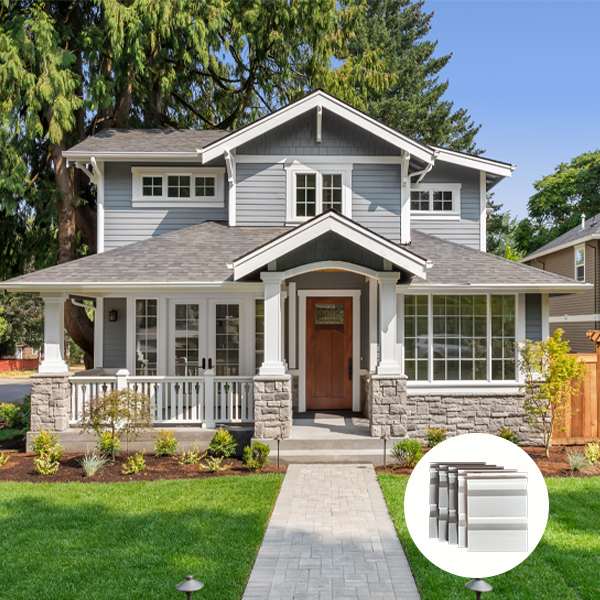
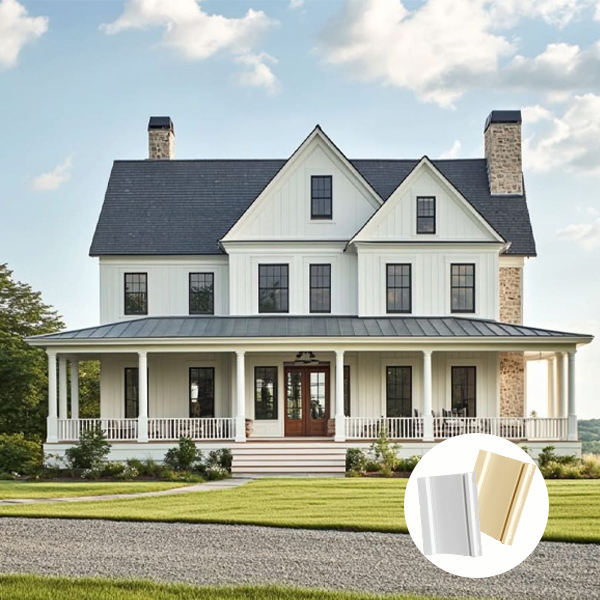
Choosing the right outer wall  cladding is very important for any building project.  It affects how the  building looks and  how well it protects against weather. At SANER, we know that cladding can be made from  many materials like wood, metal, vinyl, and more. Each type has its own look and benefits. For example, wood gives a warm, natural feel, while metal can look sleek and modern. When picking cladding, think  about the style of the building. Do you want it to look traditional  or modern? Also, consider your budget. Some materials are more expensive than others, but they can offer better protection and last longer. You  should also think about maintenance. Some cladding, like  vinyl, doesn’t need much care, while  wood needs regular painting or staining. Weather is another important  factor. If  you live in a place with  heavy rain  or strong winds, choose  a material that can handle that  well.  It’s also a good idea to check if the cladding is energy-efficient. This can help save money on  heating and cooling bills. At SANER, we help you find the best cladding that fits your needs and style  while staying within  budget. For instance, our Laminated Asphalt Shingles are a great option for durable cladding.
Why choose SANER outer wall cladding

Our Products

How to Choose the Best Outer Wall Cladding for Your Projec

When using outer wall cladding, there can be some common  issues that  you might face. One of the biggest problems is  moisture getting behind the cladding. If water gets trapped, it can cause mold and damage to the  walls. To avoid this, make sure the cladding is installed correctly, with good weather barriers and drainage  systems. Another issue  is  that some materials can fade or  get  damaged from the sun. For example, bright colors may lose their vibrancy  over time. Choosing high-quality materials can help with this problem. You should also think about how the cladding will hold  up in harsh weather. Some materials, like wood, might rot if exposed to too much rain. Metal can rust if  not treated properly. To prevent rust,  look for  coated or galvanized options. Another common problem is pests, like termites, that can damage wood cladding.  Using treated wood or other materials can help keep  pests away. Lastly, regular  maintenance is key. Check  your cladding often for signs of  wear and tear.  By being proactive, you can catch issues early and keep your building looking great and safe. At SANER, we guide you through these challenges to keep your cladding in top shape. Also, consider using Synthetic Underlayment to enhance the moisture barrier.

Frequently Asked Questions

What materials are available for outer wall cladding?

We offer metal, composite and insulated panels customized to project needs, with durable coatings and fire-resistant options tailored to performance requirements.
Yes. From our 30,000 m² facility we produce custom colors and profiles to match design specifications for projects in 55 countries.
MOQ varies by profile and finish; typical production lead times range from a few weeks to months depending on quantity and customization. Contact sales with details for exact timing.
Yes. Our cladding is manufactured to meet common international building and fire performance standards; specific certifications can be provided per project.
Yes. We provide technical data, installation manuals and remote or on-site support to ensure correct installation and long-term performance.

Our Blog Posts

What Our Partners Say

Common Issues with Outer Wall Cladding and How to Avoid Them

Common Issues with Outer Wall Cladding and How to Avoid Them

What  Are  the  Benefits  of  Using  Durable  Outer  Wall  Cladding?

 
What Are the Benefits of Using Durable Outer Wall Cladding?

What Are the Benefits of Using Durable Outer Wall Cladding?

Outer wall cladding is like a protective skin for buildings. It covers the outside walls and helps  to keep the  structure safe and looking good. One of the biggest benefits of using durable outer wall cladding is that it protects buildings from bad  weather. For  example, rain, snow, and strong winds can damage walls over time. But when you use strong materials for cladding, like those offered by SANER,  the walls stay safe and dry.  This means that your building will last longer and need fewer repairs. Another benefit  is that durable cladding can help keep homes warm in the winter and cool in the summer. This is because good cladding stops heat from escaping or  getting in too easily. This helps save money  on heating and cooling bills. Think of it like wearing a  warm  jacket in winter; it keeps your body heat in. Also, durable cladding  can help reduce noise from outside. If you live in a busy area, cladding can make your home quieter  and more peaceful. Lastly, using quality materials  for outer wall cladding can improve the  look of a building. With many colors and styles available from SANER, you can choose the perfect look for your home. This  can make your building more attractive and even increase its  value. Overall, using durable outer wall cladding  is a smart choice because it protects your building, saves  money, reduces noise,  and makes your home look great.

How Outer Wall Cladding Enhances Energy Efficiency in Buildings

How Outer Wall Cladding Enhances Energy Efficiency in Buildings

How  Outer  Wall  Cladding  Enhances  Energy  Efficiency  in  Buildings


Common Mistakes to Avoid When Purchasing Outer Wall Cladding

Energy efficiency means using less  energy to  do  the same  things,  like heating and cooling our homes. Outer wall cladding plays a big role in making buildings more  energy-efficient. When buildings have good cladding, they  can keep the inside temperature comfortable without using too much energy. This is because cladding helps  to insulate the walls. Insulation is like a blanket that keeps heat in during the winter and out during the summer. When you use high-quality cladding from SANER, it acts as an extra layer of protection. This means that your heating system does not have to work as hard, which saves energy. Less energy use also means lower bills,  which  is  great for families! Moreover, modern cladding  materials often have special features that make them  even better for energy efficiency. Some  materials can reflect sunlight, which helps keep your building cooler during hot days. Other types can absorb heat and release it slowly, keeping your home warm in the colder months. By selecting the right outer wall cladding, you can improve  the energy efficiency of your building and help the environment by reducing  energy consumption. When buildings use less energy, it means fewer resources are needed, which is  good for our planet. In addition, energy-efficient homes are often more comfortable to live in.  With less draft and more stable temperatures, families can enjoy their homes more. outer wall  cladding is essential for making buildings energy-efficient, which is beneficial for both the  wallet and the environment.