Choosing Wall Panel Boards: A Comprehensive Guide

Wall panels boards

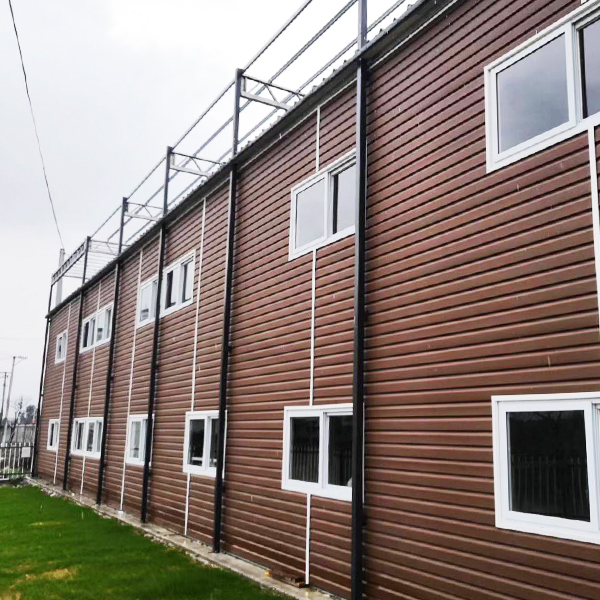
Wall panel boards are essential components in various industries, providing structural support and aesthetic appeal to buildings and facilities. For B2B buyers, understanding the specifications, materials, and applications of wall panel boards is crucial when making purchasing decisions. This article will explore key considerations for wholesale buyers, including product specifications, selection criteria, cost factors, installation guidance, and what to look for in manufacturers. By the end, you'll be better equipped to choose the right exterior cement board for your projects. 

Why choose SANER Wall panels boards

Understanding Wall Panel Board Specifications for Wholesale Buyers

When selecting wall panel boards, several specifications should be considered. Key factors include: 

Material Composition: Common materials include metal, PVC, gypsum, and wood composites. Each material offers different benefits in terms of durability, insulation, and aesthetic appeal. For example, metal panels are often chosen for their strength and weather resistance, making them ideal for industrial applications. 

Thickness and Dimensions: Wall panel boards come in various thicknesses and sizes, typically ranging from 1/8 inch to 1 inch thick. The thickness impacts insulation properties and structural integrity. Ensure that the dimensions are compatible with your project's design requirements. 

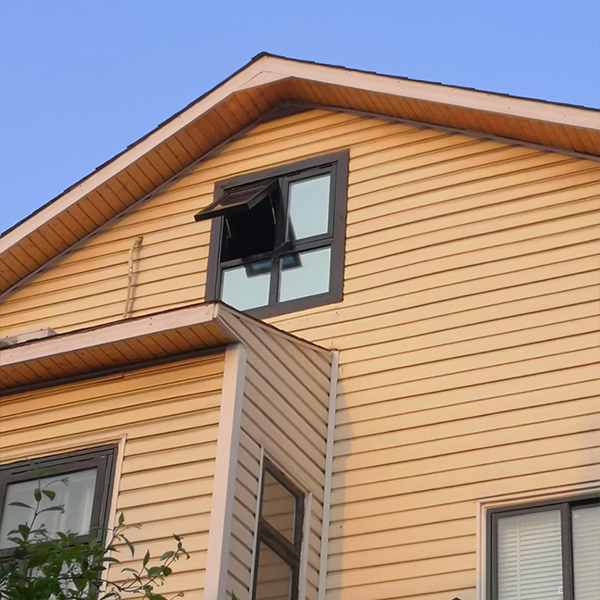
Surface Treatment: Surface coatings can enhance the panels' durability and aesthetic appeal. Options such as paint, laminate, or galvanization can provide additional protection against moisture, corrosion, and wear. 

Fire Resistance Rating: Depending on the application, fire resistance might be a critical factor. Many wall panel boards are manufactured to meet specific fire safety standards, which should be verified based on local regulations and building codes. 

By clarifying these specifications with suppliers, wholesale buyers can ensure that the wall panel boards they select meet their project requirements.

Frequently Asked Questions

What materials are used for your wall panels boards?

We produce wall panels from high-quality coated steel and aluminum composites, designed for durability, weather resistance and long service life. Custom material options are available to meet project needs.
Yes. From our 30,000 m² facility we offer custom color matching and a variety of profiles to suit architectural requirements and export specifications.
Standard lead time depends on order size and customization. With 25 years export experience and 8 million m² annual capacity, we handle both small and bulk orders efficiently—contact us for a tailored schedule.
Yes. Panels are engineered for varied climates, offering thermal efficiency, corrosion resistance and robust coatings to perform in humid, coastal or cold environments.
We provide technical documentation, installation guidelines and pre-sale consultation. Custom project support and export logistics assistance are available to ensure smooth delivery and installation.

Our Blog Posts

What Our Partners Say

How to Choose the Right Wall Panel Boards for Your Projects

How to Choose the Right Wall Panel Boards for Your Projects

Choosing the right SANER wall panel boards involves evaluating several factors tailored to your specific project needs: 

Project Requirements: Identify the primary use of the wall panels. For instance, panels used in a cold storage facility may need superior insulation properties, while those in a retail environment might prioritize aesthetics. 

Application Industry: Different industries have unique requirements. For example, fibre cement boarding used in food processing facilities must meet stringent hygiene standards, while panels in commercial spaces may focus on sound insulation and design. 

Customization Options: Some manufacturers offer custom colors and profiles, allowing you to match the panels with your brand’s aesthetic. When discussing options, inquire about minimum order quantities (MOQs) and lead times for customized solutions. 

Sustainability Considerations: Increasingly, buyers are seeking eco-friendly materials. Wall panels made from recycled materials or those with sustainable certifications can be attractive options for environmentally conscious projects. 

Understanding these factors will help buyers make informed decisions that align with their project goals.

Cost Considerations for Bulk Orders of Wall Panel Boards

Cost Considerations for Bulk Orders of Wall Panel Boards

Pricing for SANER wall panel boards can vary significantly based on several factors: 

Material Costs: The choice of material affects the overall price. For example, metal panels are typically more expensive than PVC but offer greater durability. 

Order Quantity: Bulk orders often come with discounts, so it's essential to evaluate your project's needs against potential savings. Discuss pricing structures for different quantity tiers with your supplier. 

Customization Fees: Custom panels may incur additional costs. Ensure you clarify any fees associated with custom colors or profiles when requesting quotes. 

Shipping and Handling: Depending on the size and weight of the panels, shipping costs can add up. Consider logistics, including delivery times and freight options, when calculating total costs. 

By understanding these cost factors, buyers can better budget for their wall panel board purchases and negotiate favorable terms with suppliers.

Installation Guidance for Efficient Use of Wall Panel Boards

Installation Guidance for Efficient Use of Wall Panel Boards

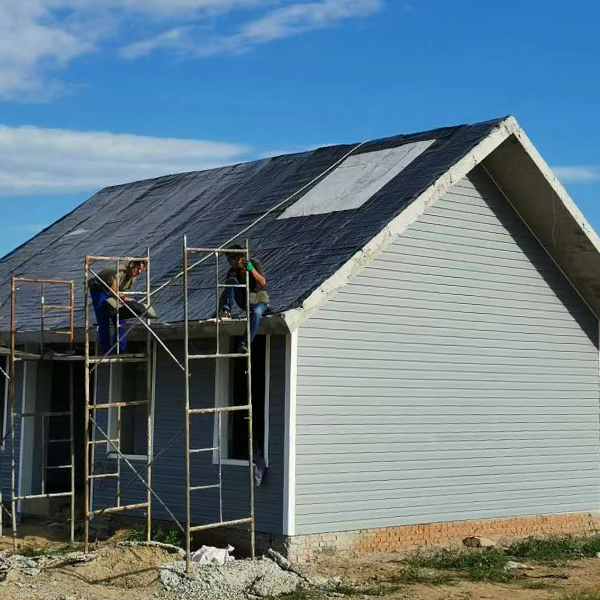
Proper installation of wall panel boards is crucial for maximizing their performance and lifespan. Here are key considerations: 

Preparation: Ensure that the installation area is clean and free of obstructions. The surface should be dry and level to facilitate proper adhesion and alignment. 

Installation Method: Depending on the panel type, installation methods may vary. For instance, some panels are designed for direct fastening, while others may require adhesive or framing structures. Consult the manufacturer's guidelines for recommended installation techniques. 

Sealing and Finishing: Pay attention to sealing joints and edges, as these areas can be vulnerable to moisture infiltration. Use appropriate sealants as recommended by the manufacturer to protect against water damage. 

Inspection: After installation, conduct a thorough inspection to ensure that panels are securely fastened and that there are no gaps or misalignments. This step is critical for ensuring the panels' long-term performance. 

Following these installation guidelines can help avoid common problems and ensure that the wall panel boards perform as intended.

What to Look for in Wall Panel Board Manufacturers

Selecting the right manufacturer is vital for ensuring product quality and reliability. Here are key criteria to evaluate: 

Experience and Expertise: Look for manufacturers with a proven track record in producing fibre cement ceiling board 4mm. Companies with extensive experience, like Hangzhou Saner Roofing, often have better quality control processes and more robust product offerings. 

Manufacturing Capabilities: Review the manufacturer's production capacity and technology. A facility with advanced machinery and quality control systems can ensure consistent product quality. 

Certifications and Compliance: Verify that the manufacturer complies with relevant industry standards and holds necessary certifications. This includes quality management systems and product safety certifications, which can provide peace of mind regarding product reliability. 

Customer Support: Good manufacturers should offer robust customer support, including assistance with product specifications, installation guidance, and after-sales service. Establishing a strong relationship with your supplier can facilitate smoother transactions and better overall satisfaction. 

References and Reviews: Seek references or read reviews from other buyers to gain insights into the manufacturer's reputation and reliability. This can help you make a more informed decision. 

By carefully evaluating potential manufacturers, buyers can select a reliable partner for their wall panel board needs, ensuring quality and service throughout the purchasing process.