Evaluating Tejas de Barro para Techo for Your Projects

tejas de barro para techo

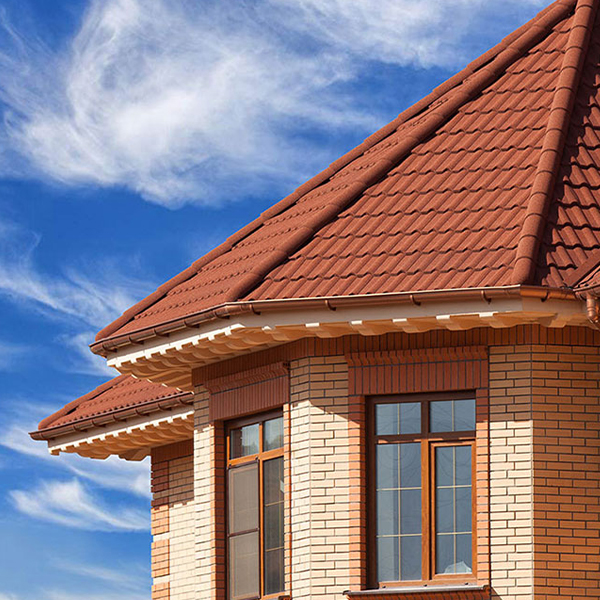
Tejas de barro  para techo,  or clay  roof tiles, are a  traditional yet highly  effective roofing solution used across various industries. These tiles not only provide aesthetic appeal but also  offer durability and energy  efficiency. For B2B buyers, understanding the nuances of tejas  de barro—such  as pricing, installation challenges, and sourcing reliable suppliers—is crucial for  making informed  purchasing  decisions. This article aims to  equip purchasing managers, distributors,  and  engineers  with practical  insights into tejas de barro,  ensuring they can navigate their  procurement  processes effectively.

Why choose SANER tejas de barro para techo

Our Products

How to Evaluate the Quality of Tejas de Barro for Your Projects

When considering tejas  de barro  para techo, pricing  can vary significantly based on several factors, including material quality, design complexity, and order volume. Typically, manufacturers like  Hangzhou Saner Roofing  establish  a minimum order quantity (MOQ)  to optimize production efficiency. For instance, a common MOQ might range from 1,000  to 5,000 tiles, depending on the tile specifications and customization requirements.

Price per  tile can decrease with larger orders due to economies of scale. Buyers should also be aware that additional costs may  arise from customizations in  color or profile, as well  as shipping  and handling fees, particularly for international orders.  When requesting quotes,  it’s advisable to provide detailed specifications, including tile dimensions, required  quantities,  and any specific design features.  This allows  suppliers to  offer the most accurate pricing.

Frequently Asked Questions

What are tejas de barro para techo made of?

Our tejas de barro are crafted from high-quality natural clay, fired for durability and color stability, ensuring long-lasting roofing performance.
Yes. From our 30,000 m² facility we offer custom colors and profiles to meet design and regional requirements for projects worldwide.
Properly installed and maintained tejas de barro can last decades thanks to natural clay and high-temperature firing that resist weathering and fading.
We export to 55 countries with 25 years of export experience and established logistics to deliver bulk orders reliably.
We provide product quality assurances backed by our production standards and export experience; specific warranty terms are available upon inquiry for each project.

Our Blog Posts

What Our Partners Say

Best Practices and Tips

Best Practices and Tips

For buyers exploring  tejas de barro, understanding product  specifications is essential. Key factors to consider  include:

Material Composition: Ensure the clay is sourced from quality deposits for durability and performance. Tile  Dimensions: Standard sizes may vary by region,  so confirm compatibility with  your  roofing structure. Weight:  Heavier  tiles may offer better durability but require stronger support structures. Water Absorption  Rate: Lower rates are preferable for  regions  with heavy  rainfall,  as they indicate better performance  against weathering.

Moreover, buyers should evaluate  the supplier's manufacturing capabilities, including production capacity and quality control processes. A reputable supplier will provide  a clear overview of their production methods  and any  certifications that validate  their product quality. Additionally, suppliers of products like Asphalt Shingle often share insights that can be beneficial when considering clay tiles.

Common Problems with Tejas de Barro and Effective Solutions

Common Problems with Tejas de Barro and Effective Solutions

Installing tejas de barro can pose several challenges, such as improper alignment, cracking, and inadequate waterproofing. Here are some common issues and recommended solutions:

Improper Alignment:  This can lead to gaps that  allow  water infiltration. Ensure that experienced installers follow proper guidelines and use appropriate tools to achieve precise alignment.

Cracking During Installation:  Clay tiles can crack  if  handled  improperly. To mitigate this risk, ensure that tiles are transported and stored correctly prior  to installation, and that installers are trained in  handling techniques.

Waterproofing Issues: Inadequate waterproofing can lead to leaks. It  is  essential to use  high-quality underlayment  and  flashing techniques to enhance water resistance. Regular inspections post-installation can help identify and address any early  signs  of leaks.

By anticipating these challenges, buyers can work with their  chosen suppliers to ensure that installation processes are as smooth as possible,  thereby  reducing the risk  of costly repairs later.

A Buyeru2019s Guide

A Buyeru2019s Guide

Finding trustworthy suppliers for tejas de barro  requires careful evaluation. Here  are some tips on  sourcing reliable partners:

Industry Referrals: Networking within the industry can yield recommendations for reputable  manufacturers. Consider reaching out to peers in your sector.

Online Research: Utilize  platforms like  trade directories and industry-specific websites to identify  potential  suppliers. Look for reviews and testimonials that  reflect  the supplier's reputation.

Certifications and Standards: Check if  the supplier meets  relevant quality standards or holds certifications that demonstrate  their commitment to quality, such as ISO  certifications.

Sample Orders: Before committing to a large order, request samples to  evaluate the product quality firsthand. This will allow  you to assess  aspects like durability, color accuracy, and overall aesthetics.

Communication and Support: A reliable supplier should demonstrate excellent customer service capabilities. Evaluate  how promptly  and thoroughly they respond to  inquiries, as this reflects their commitment to client satisfaction.

Benefits of Using Tejas de Barro para Techo in Your Construction Projects

Tejas  de barro para techo offer numerous advantages that  make them a preferred  choice in many roofing applications:

Durability: Clay tiles are resistant to harsh weather conditions, including high  winds and heavy rain. They can last for decades with proper care and maintenance, making them a long-term investment.

Energy Efficiency: Clay tiles naturally regulate indoor temperatures by  keeping homes cool in summer and warm in winter. This can lead to reduced  energy costs over time.

Aesthetic Appeal: Available in various colors and profiles,  tejas de barro enhance  the architectural beauty of buildings,  making them a popular choice for both residential and commercial properties.

Low Maintenance:  Unlike other roofing materials, clay tiles do not require frequent painting or staining. Regular inspections and occasional cleaning are typically sufficient to maintain their appearance.

Sustainability: Clay is a  natural material, and many manufacturers  employ environmentally  friendly practices  in production. This can be an important factor for  businesses emphasizing sustainability in their operations.

By understanding these key features and benefits, buyers  can better appreciate the value of investing in tejas  de barro for their projects. This knowledge will  enable them to make informed decisions that align with their project goals and budgets.

Navigating the procurement process for  tejas de barro requires an understanding of various factors, from  pricing to installation challenges and supplier evaluation. By leveraging the insights provided, B2B buyers can confidently approach their purchasing decisions, ensuring they select the right products for their needs.