Top Quality Siding Panels for Exterior Walls

siding panels exterior wall

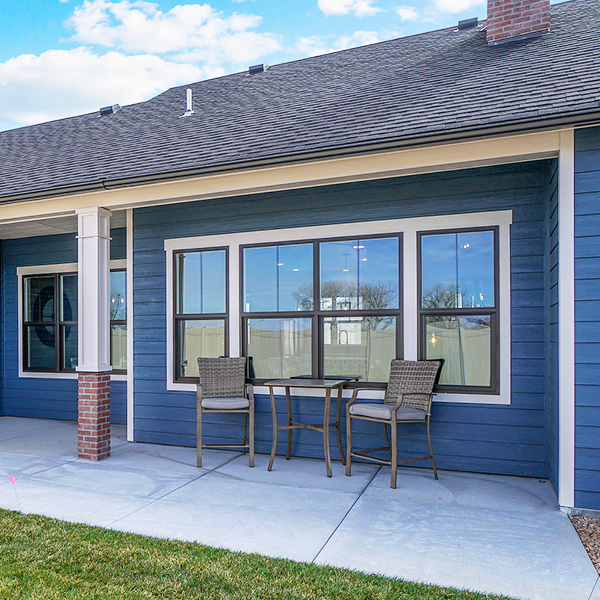
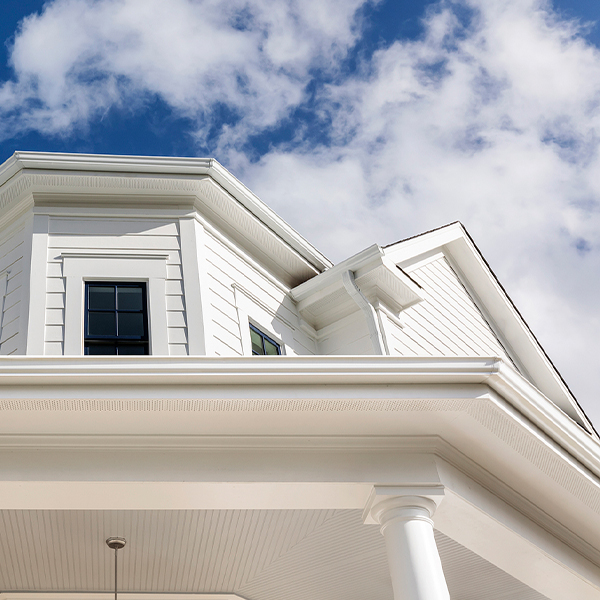
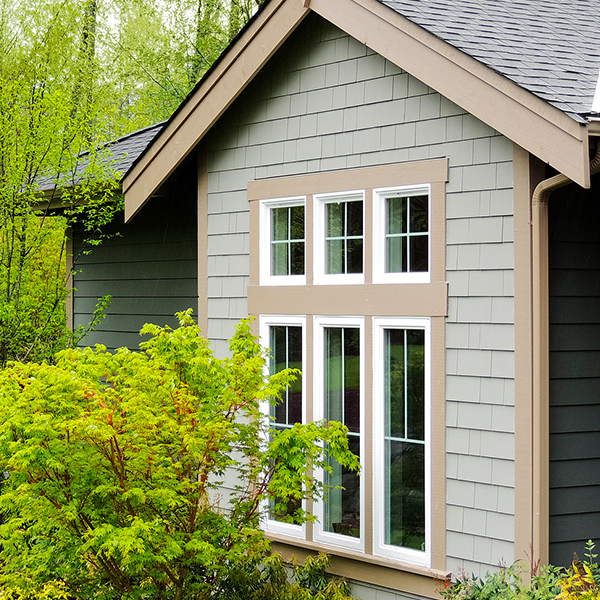
Siding panels  are  the outer  coverings for  a  house. They  protect  the walls from weather and make homes  look nice. There are many types of siding panels, like wood, vinyl, and metal.  Each type has its own look and feel. Choosing the  right siding for your  home is important,  as it can change  how  your house looks and how well  it holds up against rain,  snow, and sun. At SANER,  we  know a lot about siding panels and  can help you  find the best options for your home.

Why choose SANER siding panels exterior wall

Our Products

What Are the Benefits of High-Quality Siding Panels for Exterior Walls?

High-quality siding  panels offer many great benefits for your home. First, they protect your walls from rain, snow, and harsh sunlight. This means your house will stay safe and last  longer. Good siding can  keep water from  getting inside, which can  cause mold and rot. When you invest in quality, you also  get a look that lasts. High-quality siding can look beautiful for many years without needing much care. For example, Laminated Asphalt Shingles can hold its color and shape, while wood siding may need more attention, like painting or staining. Another important thing to think about is energy efficiency. Quality  siding  can help keep your home warm in winter and cool in summer. This can save you money  on heating and cooling bills.  Some  siding panels even have insulation built in, which is a big plus for  your energy savings. Additionally, good siding can raise the value of your house. If you ever  want to sell your home, buyers often look for  homes with nice, strong siding. A home with  high-quality siding can attract more buyers and sell for a better  price. Lastly, many  high-quality siding options are environmentally friendly. Some materials are made from recycled products or can be recycled after use. This is great for the planet and can make you feel good about your choice.  Overall, using high-quality siding  panels is a smart choice for protecting your  home, saving money, and boosting its value.

Frequently Asked Questions

What materials are used in your siding panels?

Our siding panels are fabricated from high-quality coated steel and aluminum alloys with protective finishes for durability, corrosion resistance, and low maintenance suitable for diverse climates.
Yes. We offer custom color matching and profile designs from our facility to meet architectural requirements and branding needs across projects.
Standard lead time depends on quantity and customization but typically ranges from 2 to 6 weeks. Contact us with specifics for an accurate delivery estimate.
Our panels are engineered for high weather resistance and can be produced to meet regional fire and performance standards; certifications available upon request.
We provide product warranties and technical support backed by 25 years of export experience, plus assistance with installation guidance and spare parts if needed.

Our Blog Posts

What Our Partners Say

How to Choose the Best Siding Panels for Your Home's Exterior?

How to Choose the Best Siding Panels for Your Home's Exterior?

Choosing the best siding panels for your home can feel a bit tricky, but it can be  simple if you follow some steps. First,  think about your budget. Some siding types are more expensive than others. For example, wood siding can cost more than vinyl. Make sure to set a budget before you start looking.  Next, consider the style of your home. Do you want a  classic look or something more modern? Different siding types can change  the whole feel of your house. If your home is very traditional, wood or brick might look great. For a modern style, metal or vinyl could  be the way to go. Don’t forget about the climate where you live. If you live in a  place with lots of rain or snow, you need siding that can handle that weather. Some materials, like vinyl, are  great for wet environments because they don’t  rot. Meanwhile, if you live in a  hot area, you may want siding that can keep your home cool. Another  factor to think about is maintenance. Some siding requires more work than others. For example, wood siding needs regular painting or staining, while vinyl siding  usually just needs a good wash now and then. Also, ask about warranties. A good warranty can give you peace of mind and show that the manufacturer  believes in their product. Finally, get samples. Many companies, including SANER,  can provide samples of  their siding. This lets you see how it looks on your house before making a final choice. By taking these steps, you can find siding that  looks great, fits your  budget,  and keeps your home safe and cozy  for years to come.

 
How Do Different Siding Panel Materials Impact Exterior Wall Performance?

How Do Different Siding Panel Materials Impact Exterior Wall Performance?

Siding panels are important for the  outside of a house. They protect the walls from weather  and make the house look nice. Different materials  can be used for siding, and each material has  its own strengths  and weaknesses. For example, wood siding  is beautiful and can be painted in many colors.  However, it needs a lot of care because it can rot if it gets wet. On the other  hand, vinyl siding is very popular because it  is  cheap and does not need much maintenance. It  comes in different colors, and it can last a long time without fading. Then there's fiber cement siding, made from a mix  of sand, cement, and cellulose fibers. This type is  very strong and can stand  up to harsh weather,  pests, and fire. Each material has its own way of  performing. For instance, wood and fiber cement can insulate the house well, which helps keep it  warm in winter and cool in summer. However, vinyl does not  insulate as well but is very good at keeping water out. At SANER, we believe that choosing the right siding material is key to making your home safe and comfortable.  Remember,  the right siding can help your home last longer and save you money on energy costs. When picking siding panels, think about where you live and what kind of weather your house will face. This way, you can choose the best material for your needs.

How to Install Siding Panels for Maximum Weather Resistance?

How to Install Siding Panels for Maximum Weather Resistance?

Installing siding panels properly is very important to keep your home safe from rain, snow, and wind. Before you start, make sure you have all  the tools you  need. You'll need a level, a saw, nails, and possibly a measuring tape. The first step is to prepare the wall by cleaning  it  and checking for any damage. If  there are holes or cracks, fix  them before putting on the siding.  Next, you should use a moisture barrier, like house wrap, to keep water  from getting into the walls. This is very important for  protecting your  home from  water damage. When you start putting up the siding  panels, make sure to follow the manufacturer’s instructions carefully. Each type of siding may need a different way of being installed. For example,  vinyl siding  needs to have a little space for expansion because it can get bigger in hot weather. It’s also important to overlap the panels properly so that water can’t get in between them. SANER recommends using  a level to make sure your panels are straight.  If the panels aren’t straight, it can lead to gaps and make your home less secure. After  the panels are up, check all the edges and corners to make sure they  are sealed well. This will help prevent any leaks. Remember,  a good installation will keep your home safe  from the weather for many years.